
Title
History of Cartography,Used
Sold by Ergodebooks, an authorized reseller.
Returns accepted within 30 days | support@ergodebooks.com
Shipping Information
- Free Standard Shipping — United States only
- Processing Time: 3–5 business days
- Estimated Delivery: 6–10 business days after dispatch
- Double-boxed, fully insured & discreetly packaged
- Tracking number sent via email once dispatched
Returns & Refund
Returns accepted within 30 days of delivery.
Damaged or Defective Item
Free return shipping + replacement or full refund
Wrong Item Received
Free return shipping + replacement or full refund
Change of Mind
Return shipping at customer's expense · 25% restocking fee applies
Payment Option

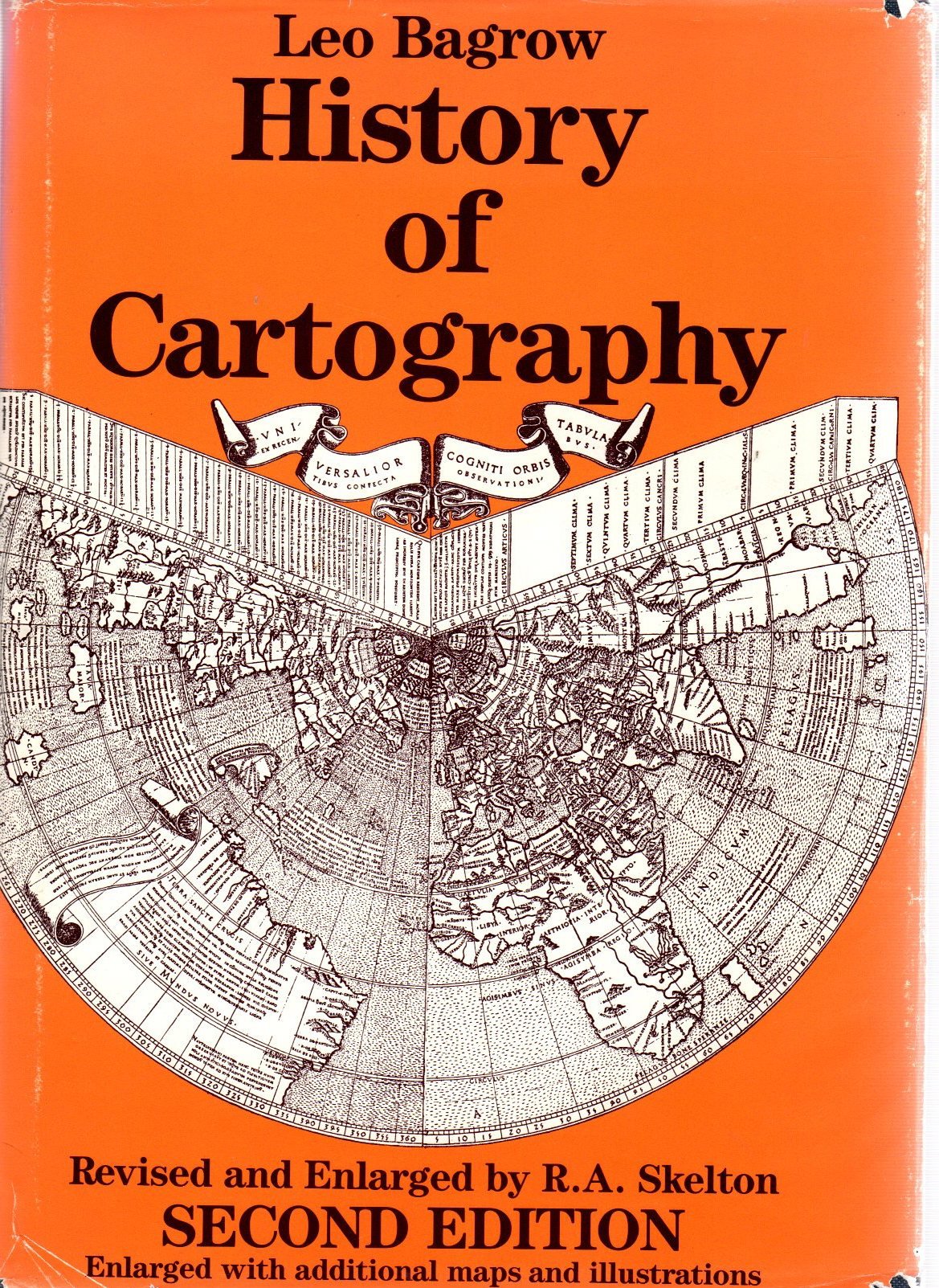
This illustrated work is intended to acquaint readers with the early maps produced in both Europe and the rest of the world, and to tell us something of their development, their makers and printers, their varieties and characteristics. The authors chief concern is with the appearance of maps: they exclude any examination of their content, or of scientific methods of mapmaking. This book ends in the second half of the eighteenth century, when craftsmanship was superseded by specialized science and the machine. As a history of the evolution of the early map, it is a stunning work of art and science.This expanded second edition of Bagrow and Skeltons History of Cartography marks the reappearance of this seminal work after a hiatus of nearly a half century. As a reprint project undertaken many years after the book last appeared, finding suitable materials to work from proved to be no easy task. Because of the wealth of monochrome and color plates, the book could only be properly reproduced using the original materials. Ultimately the authors were able to obtain materials from the original printer Scotchprints or contact films made directly from original plates, thus allowing the work to preserve the beauty and clarity of the illustrations.Old maps, collated with other materials, help us to elucidate the course of human history. It was not until the eighteenth century, however, that maps were gradually stripped of their artistic decoration and transformed into plain, specialist sources of information based upon measurement. Maps are objects of historical, artistic, and cultural significance, and thus collecting them seems to need no justification, simply enjoyment.
⚠️ WARNING (California Proposition 65):
This product may contain chemicals known to the State of California to cause cancer, birth defects, or other reproductive harm.
For more information, please visit www.P65Warnings.ca.gov.