If you have any questions, you are always welcome to contact us. We'll get back to you as soon as possible, withing 24 hours on weekdays.
Customer service
All questions about your order, return and delivery must be sent to our customer service team by e-mail at yourstore@yourdomain.com
Sale & Press
If you are interested in selling our products, need more information about our brand or wish to make a collaboration, please contact us at press@yourdomain.com
Help
If you have any questions, you are always welcome to contact us. We'll get back to you as soon as possible, withing 24 hours on weekdays.
Customer service
All questions about your order, return and delivery must be sent to our customer service team by e-mail at yourstore@yourdomain.com
Sale & Press
If you are interested in selling our products, need more information about our brand or wish to make a collaboration, please contact us at press@yourdomain.com
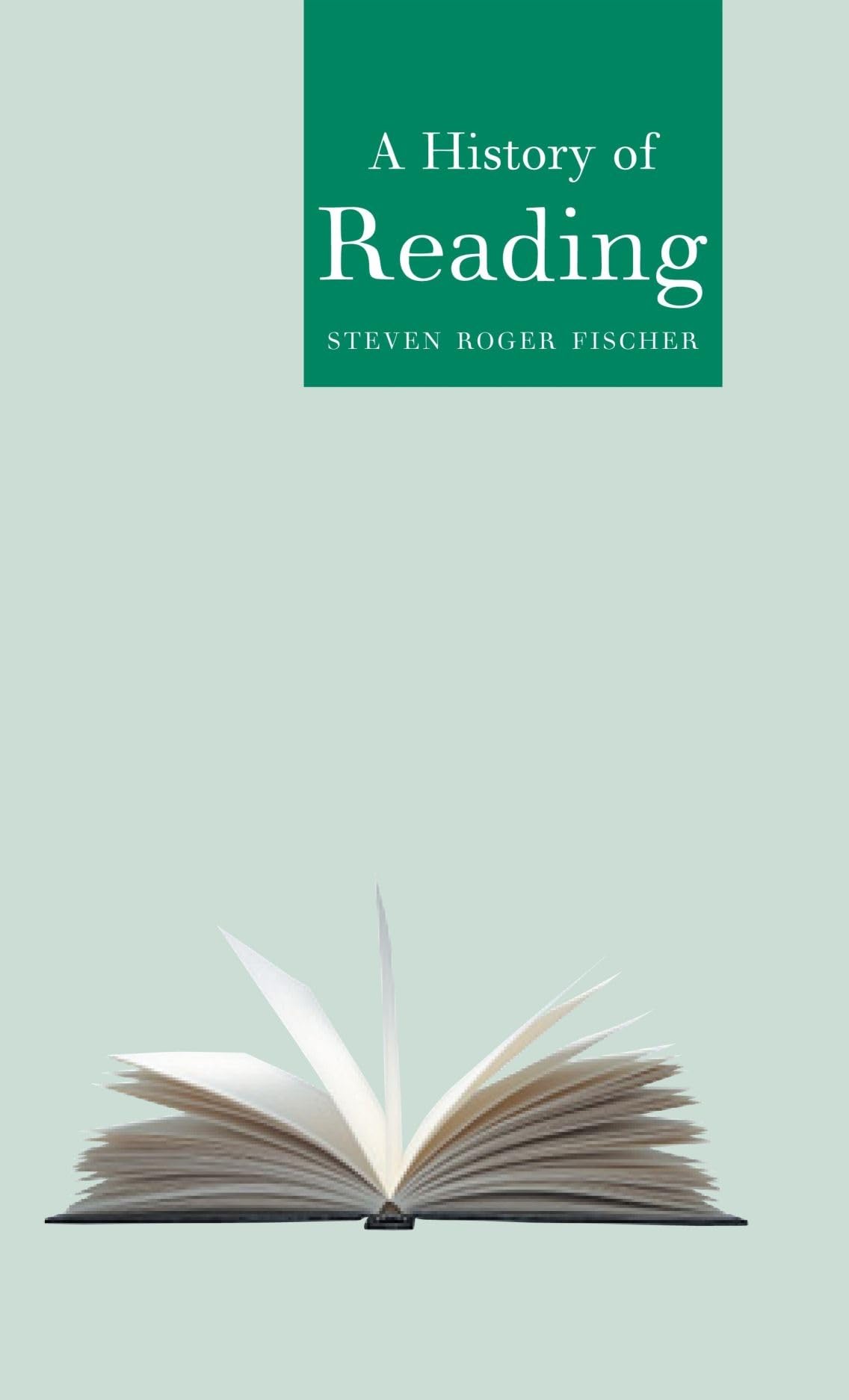
Steven Roger Fischers fascinating book traces the complete story of reading from the time when symbol first became sign through to the electronic texts of the present day. Describing ancient forms of reading and the various modes that were necessary to read different writing systems and scripts, Fischer turns to Asia and the Americas and discusses the forms and developments of completely divergent dimensions of reading.With the Middle Ages in Europe and the Middle East, innovative reinventions of reading emerged silent and liturgical reading; the custom of lectors; readings focus in general education whereupon printing transformed societys entire attitude to reading. Fischer charts the explosion of the book trade in this era, its increased audience and radically changed subjectmatter; describes the emergence of broadsheets, newspapers and public readings; and traces the effect of new font designs on general legibility.Fischer discusses societys dedication to public literacy in the sweeping educational reforms of the eighteenth and nineteenth centuries, and notes the appearance of free libraries, gender differences in reading matter, public advertising and the 'forbidden' lists of Church, State and the unemancipated. Finally, he assesses the future, in which it is likely that read communication will soon exceed oral communication through the use of the personal computer and the internet, and looks at 'visual language' and modern theories of how reading is processed in the human brain. Asking how the New Reader can reshape readings future, he suggests a radical new definition of what reading could be.
⚠️ WARNING (California Proposition 65):
This product may contain chemicals known to the State of California to cause cancer,
birth defects, or other reproductive harm.
For MAP (Minimum Advertised Price) violations and Intellectual Property (IP) or Trademark concerns, please contact:
support@ergodebooks.com
⚠️ California Proposition 65 Warning: Some products sold on this website may expose you to chemicals known to the State of California to cause cancer, birth defects, or other reproductive harm. For more information, visit www.P65Warnings.ca.gov.