If you have any questions, you are always welcome to contact us. We'll get back to you as soon as possible, withing 24 hours on weekdays.
Customer service
All questions about your order, return and delivery must be sent to our customer service team by e-mail at yourstore@yourdomain.com
Sale & Press
If you are interested in selling our products, need more information about our brand or wish to make a collaboration, please contact us at press@yourdomain.com
Help
If you have any questions, you are always welcome to contact us. We'll get back to you as soon as possible, withing 24 hours on weekdays.
Customer service
All questions about your order, return and delivery must be sent to our customer service team by e-mail at yourstore@yourdomain.com
Sale & Press
If you are interested in selling our products, need more information about our brand or wish to make a collaboration, please contact us at press@yourdomain.com
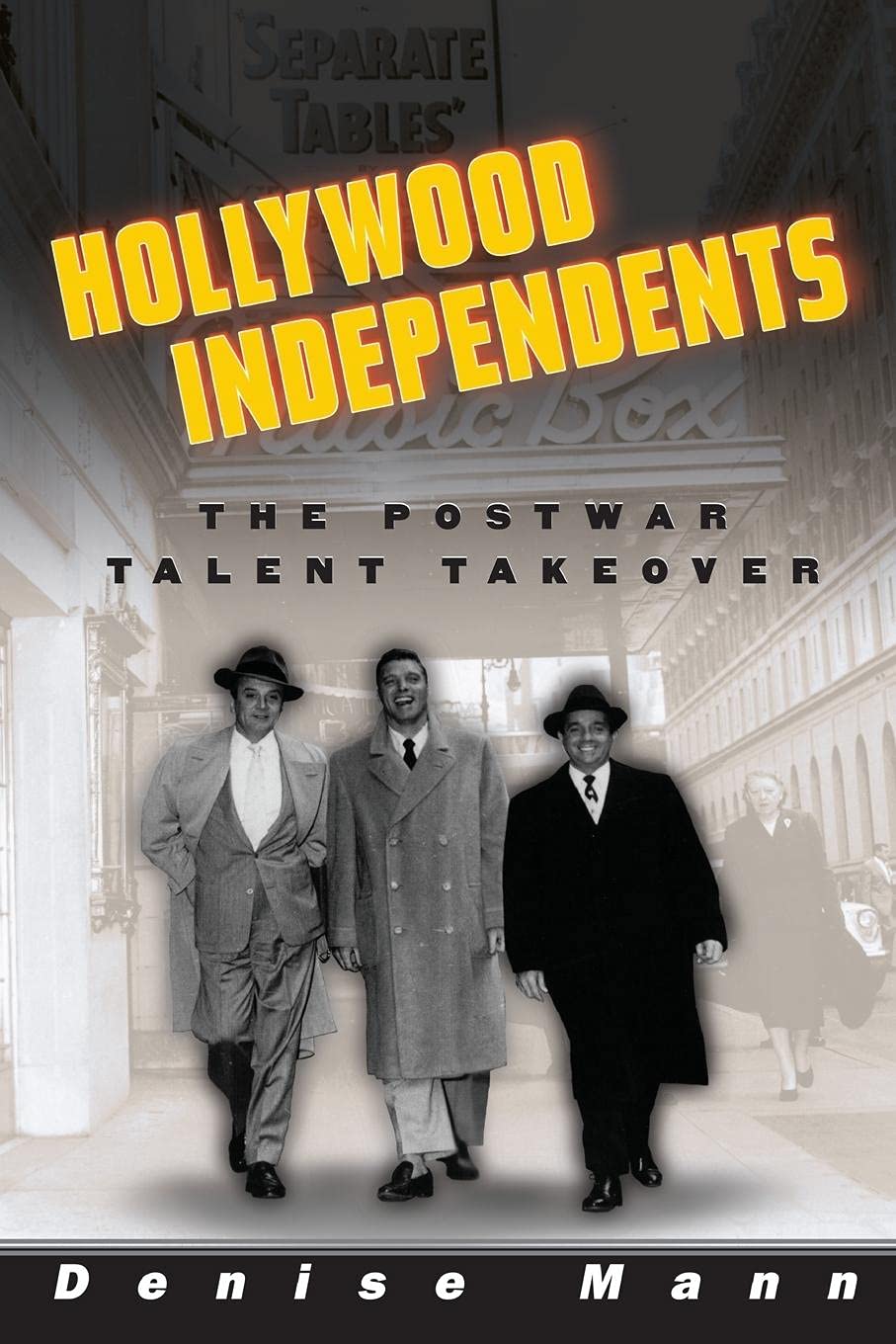
Hollywood Independents explores the crucial period from 1948 to 1962 when independent film producers first became key components of the modern corporate entertainment industry. Denise Mann examines the impact of the radically changed filmmaking climatethe decline of the studios, the rise of television, and the rise of potent talent agencies like MCAon a group of prominent talentturnedproducers including Burt Lancaster, Joseph Mankiewicz, Elia Kazan, and Billy Wilder.In order to show how these newly independent filmmakers negotiated through an increasingly fraught, reactionary creative atmosphere, Mann analyzes the reflexive portraits of their altered working conditions in such films as A Face in the Crowd, Sweet Smell of Success, and Will Success Spoil Rock Hunter? These artists, she shows, took on the corporate middlemanagers at television networks and talent agencies as a way of challenging the status quo without risking censorship or blacklisting.This period saw the evolution of film production from the studiogoverned system to one of entrepreneurs. Out of this new arrangement, which encouraged greater creative freedom, emerged a nascent form of independent art cinema that sowed the seeds of the Hollywood Renaissance that followed.Denise Mann is associate professor of film, TV and digital media at UCLA. She is coeditor of Private Screenings: Television and the Female Consumer (Minnesota, 1992).
⚠️ WARNING (California Proposition 65):
This product may contain chemicals known to the State of California to cause cancer,
birth defects, or other reproductive harm.
For MAP (Minimum Advertised Price) violations and Intellectual Property (IP) or Trademark concerns, please contact:
support@ergodebooks.com
⚠️ California Proposition 65 Warning: Some products sold on this website may expose you to chemicals known to the State of California to cause cancer, birth defects, or other reproductive harm. For more information, visit www.P65Warnings.ca.gov.