
Title
Homeland: Ethnic Mexican Belonging Since 1900 (Volume 2) (New Directions In Tejano History),Used
Sold by Ergodebooks, an authorized reseller.
Returns accepted within 30 days | support@ergodebooks.com
Shipping Information
- Free Standard Shipping — United States only
- Processing Time: 3–5 business days
- Estimated Delivery: 6–10 business days after dispatch
- Double-boxed, fully insured & discreetly packaged
- Tracking number sent via email once dispatched
Returns & Refund
Returns accepted within 30 days of delivery.
Damaged or Defective Item
Free return shipping + replacement or full refund
Wrong Item Received
Free return shipping + replacement or full refund
Change of Mind
Return shipping at customer's expense · 25% restocking fee applies
Payment Option

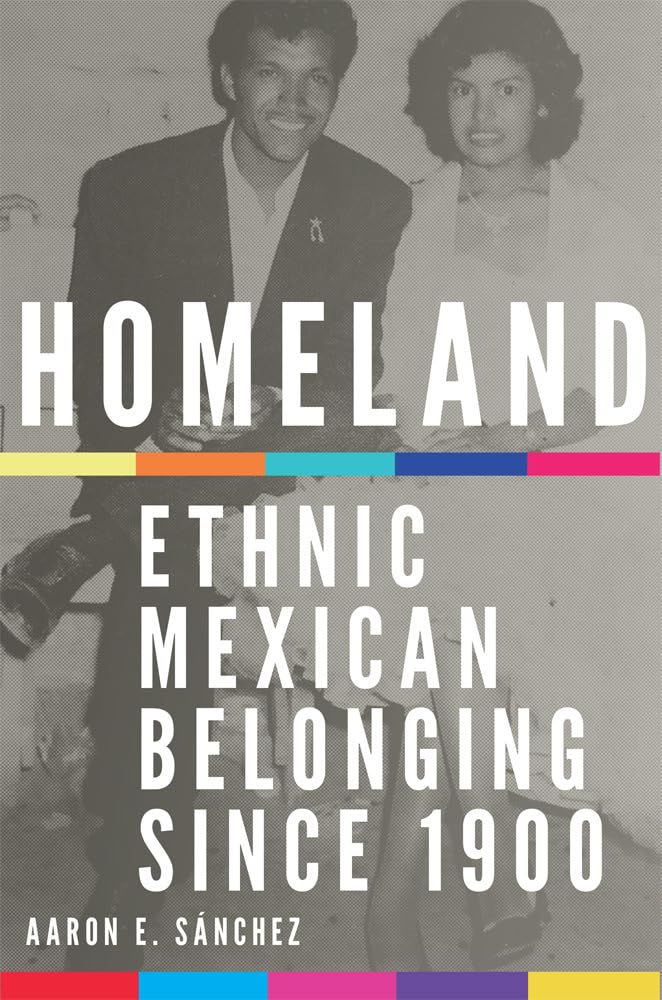
Ideas defer to no borderleast of all the idea of belonging. So where does one belong, and what does belonging even mean, when a border inscribes ones identity? This dilemma, so critical to the ethnic Mexican community, is at the heart of Homeland, an intellectual, cultural, and literary history of belonging in ethnic Mexican thought through the twentieth century.Belonging, as Aaron E. Snchezs sees it, is an interwoven collection of ideas that defines human connectedness and that shapes the contours of human responsibilities and our obligations to one another. In Homeland, Snchez traces these ideas of belonging to their global, national, and local origins, and shows how they have transformed over time.For pragmatic, ideological, and political reasons, ethnic Mexicans have adapted, adopted, and abandoned ideas about belonging as shifting conceptions of citizenship disrupted old and new ways of thinking about roots and shared identity around the global. From the Mexican Revolution to the Chicano Movement, in Texas and across the nation, journalists, poets, lawyers, labor activists, and people from all walks of life have reworked or rejected citizenship as a concept that explained the responsibilities of people to the state and to one another. A wealth of sourcespoems, plays, protests, editorials, and manifestosdemonstrate how ethnic Mexicans responded to changes in the legitimate means of belonging in the twentieth century. With competing ideas from both sides of the border they expressed how they viewed their position in the region, the nation, and the worldin ways that sometimes united and often divided the community.A transnational history that reveals how ideas move across borders and between communities, Homeland offers welcome insight into the defining and changing concept of belonging in relation to citizenship. In the process, the book marks another step in a promising new direction for Mexican American intellectual history.
⚠️ WARNING (California Proposition 65):
This product may contain chemicals known to the State of California to cause cancer, birth defects, or other reproductive harm.
For more information, please visit www.P65Warnings.ca.gov.