
Title
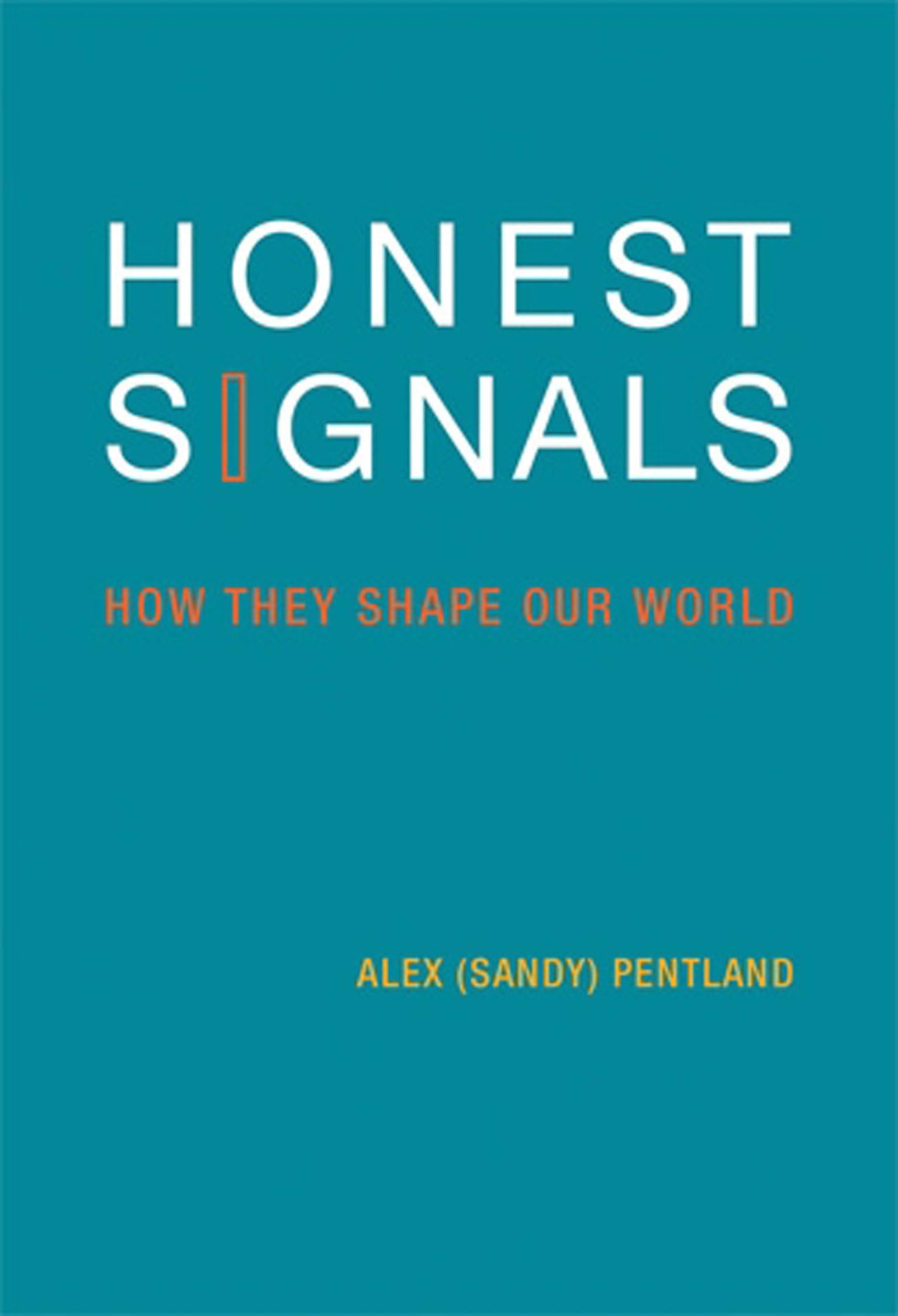
Honest Signals: How They Shape Our World (Bradford Books),Used
Sold by Ergodebooks, an authorized reseller.
Returns accepted within 30 days | support@ergodebooks.com
Shipping Information
- Free Standard Shipping — United States only
- Processing Time: 3–5 business days
- Estimated Delivery: 6–10 business days after dispatch
- Double-boxed, fully insured & discreetly packaged
- Tracking number sent via email once dispatched
Returns & Refund
Returns accepted within 30 days of delivery.
Damaged or Defective Item
Free return shipping + replacement or full refund
Wrong Item Received
Free return shipping + replacement or full refund
Change of Mind
Return shipping at customer's expense · 25% restocking fee applies
Payment Option

How understanding the signaling within social networks can change the way we make decisions, work with others, and manage organizations.How can you know when someone is bluffing? Paying attention? Genuinely interested? The answer, writes Alex Pentland in Honest Signals, is that subtle patterns in how we interact with other people reveal our attitudes toward them. These unconscious social signals are not just a back channel or a complement to our conscious language; they form a separate communication network. Biologically based honest signaling, evolved from ancient primate signaling mechanisms, offers an unmatched window into our intentions, goals, and values. If we understand this ancient channel of communication, Pentland claims, we can accurately predict the outcomes of situations ranging from job interviews to first dates.Pentland, an MIT professor, has used a specially designed digital sensor worn like an ID badgea sociometerto monitor and analyze the backandforth patterns of signaling among groups of people. He and his researchers found that this second channel of communication, revolving not around words but around social relations, profoundly influences major decisions in our liveseven though we are largely unaware of it. Pentland presents the scientific background necessary for understanding this form of communication, applies it to examples of group behavior in real organizations, and shows how by reading our social networks we can become more successful at pitching an idea, getting a job, or closing a deal. Using this network intelligence theory of social signaling, Pentland describes how we can harness the intelligence of our social network to become better managers, workers, and communicators.
⚠️ WARNING (California Proposition 65):
This product may contain chemicals known to the State of California to cause cancer, birth defects, or other reproductive harm.
For more information, please visit www.P65Warnings.ca.gov.