If you have any questions, you are always welcome to contact us. We'll get back to you as soon as possible, withing 24 hours on weekdays.
Customer service
All questions about your order, return and delivery must be sent to our customer service team by e-mail at yourstore@yourdomain.com
Sale & Press
If you are interested in selling our products, need more information about our brand or wish to make a collaboration, please contact us at press@yourdomain.com
Help
If you have any questions, you are always welcome to contact us. We'll get back to you as soon as possible, withing 24 hours on weekdays.
Customer service
All questions about your order, return and delivery must be sent to our customer service team by e-mail at yourstore@yourdomain.com
Sale & Press
If you are interested in selling our products, need more information about our brand or wish to make a collaboration, please contact us at press@yourdomain.com
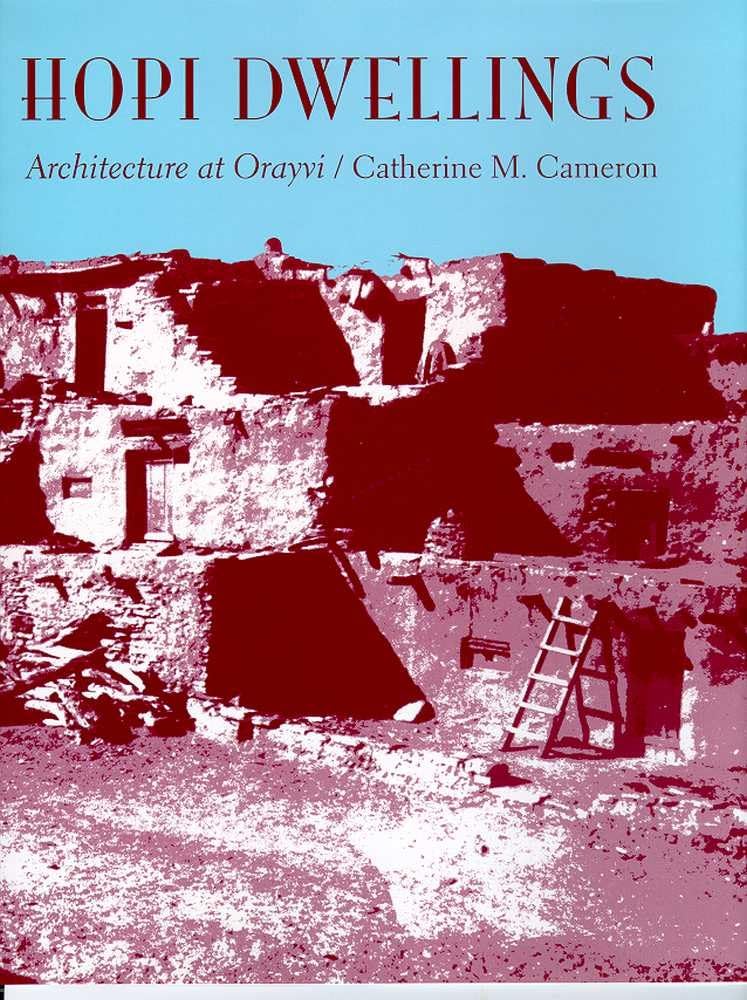
The dramatic split of the Hopi community of Orayvi in 1906 had lasting consequences not only for the people of Third Mesa but also for the very buildings around which they centered their lives. This book examines architectural and other effects of that split, using architectural change as a framework with which to understand social and cultural processes at prehistoric Southwestern pueblos. Catherine Cameron examines architectural change at Orayvi from 1871 to 1948, a period of great demographic and social upheaval.Her study is unique in its use of historic photographs to document and understand abandonment processes and apply that knowledge to prehistoric sites. Photos taken by tourists, missionaries, and early anthropologists during the late nineteenth century portray original structures, while later photos show how Orayvi buildings changed over a period of almost eighty years. Census data relating to house size and household configuration shed additional light on social change in the pueblo.Examining change at Orayvi afforded an opportunity to study the architectural effects of an event that must have happened many times in the pastthe partial abandonment of a puebloby tracing the effects of sudden population decline on puebloan architecture. Cameron's work provides clues to how and why villages were abandoned and reestablished repeatedly in the prehistoric Southwest as it offers a unique window on the relationship between Pueblo houses and the living people who occupied them.
⚠️ WARNING (California Proposition 65):
This product may contain chemicals known to the State of California to cause cancer,
birth defects, or other reproductive harm.
For MAP (Minimum Advertised Price) violations and Intellectual Property (IP) or Trademark concerns, please contact:
support@ergodebooks.com
⚠️ California Proposition 65 Warning: Some products sold on this website may expose you to chemicals known to the State of California to cause cancer, birth defects, or other reproductive harm. For more information, visit www.P65Warnings.ca.gov.