
Title
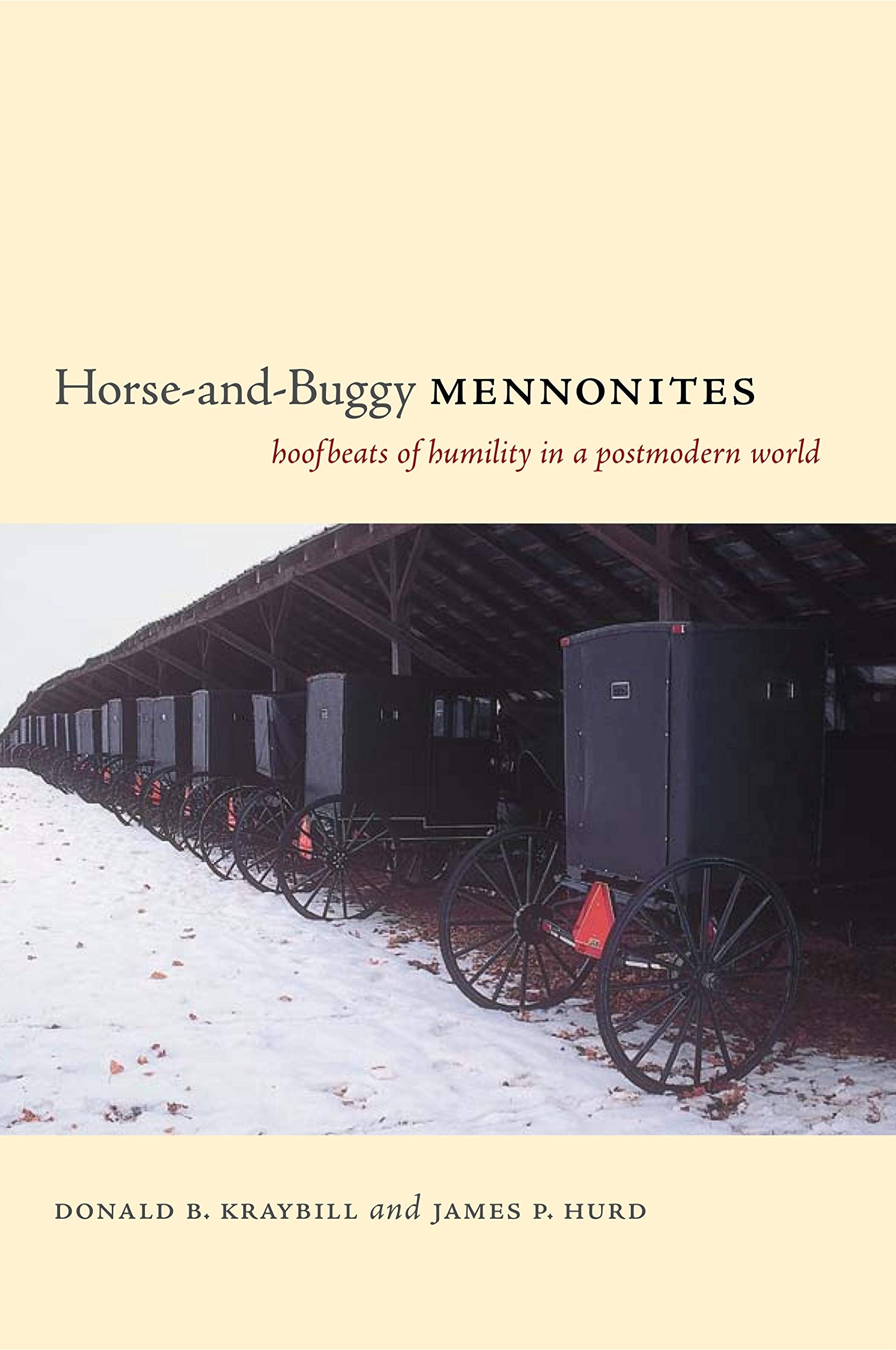
HorseandBuggy Mennonites: Hoofbeats of Humility in a Postmodern World (Pennsylvania German History and Culture),New
Sold by Ergodebooks, an authorized reseller.
Returns accepted within 30 days | support@ergodebooks.com
Shipping Information
- Free Standard Shipping — United States only
- Processing Time: 3–5 business days
- Estimated Delivery: 6–10 business days after dispatch
- Double-boxed, fully insured & discreetly packaged
- Tracking number sent via email once dispatched
Returns & Refund
Returns accepted within 30 days of delivery.
Damaged or Defective Item
Free return shipping + replacement or full refund
Wrong Item Received
Free return shipping + replacement or full refund
Change of Mind
Return shipping at customer's expense · 25% restocking fee applies
Payment Option

On a May Sunday in 1927, progress and tradition collided at the Groffdale Old Order Mennonite Church in eastern Pennsylvania when half the congregation shunned the cup of wine offered by Bishop Moses Horning. The boycott of this holiest of Mennonite customs was in direct response to Hornings decision to endorse the automobile after years of debate within the church. The resulting schism over opposing views of technology produced the group known as the Wenger Mennonites.In the nearly eighty years since the establishment of this church, the initial group of fifty dissenters has grown to a community of 16,000 Wenger Mennonites. They have large families and typically retain 95 percent or more of their youth. For many years their main community was based in Lancaster County, but in recent decades they have expanded into eight other states, with new communities most recently established in Iowa and Michigan. Despite their continued rejection of modern technology, the Wengerspopularly known as horseandbuggy Mennonitescontinue to thrive on their own terms.In this firstofitskind study of the Wenger Mennonites, Kraybill and Hurda sociologist and an anthropologistuse cultural analysis to interpret the Wengers both in and outside Pennsylvania. They systematically compare the Wengers with other Mennonite groups as well as with the Amish, showing how relationships with these other groups have had a powerful impact on shaping the identity of the Wenger Mennonites in the Anabaptist world. As Kraybill and Hurd show, the Wengers have learned that it is impossible to maintain a truly static culture, and so examining the ways in which the Wengers cautiously and incrementally adapt to the everchanging world around them is an invaluable case study of the gradual evolution of religious ritual in the face of modernity.
⚠️ WARNING (California Proposition 65):
This product may contain chemicals known to the State of California to cause cancer, birth defects, or other reproductive harm.
For more information, please visit www.P65Warnings.ca.gov.