
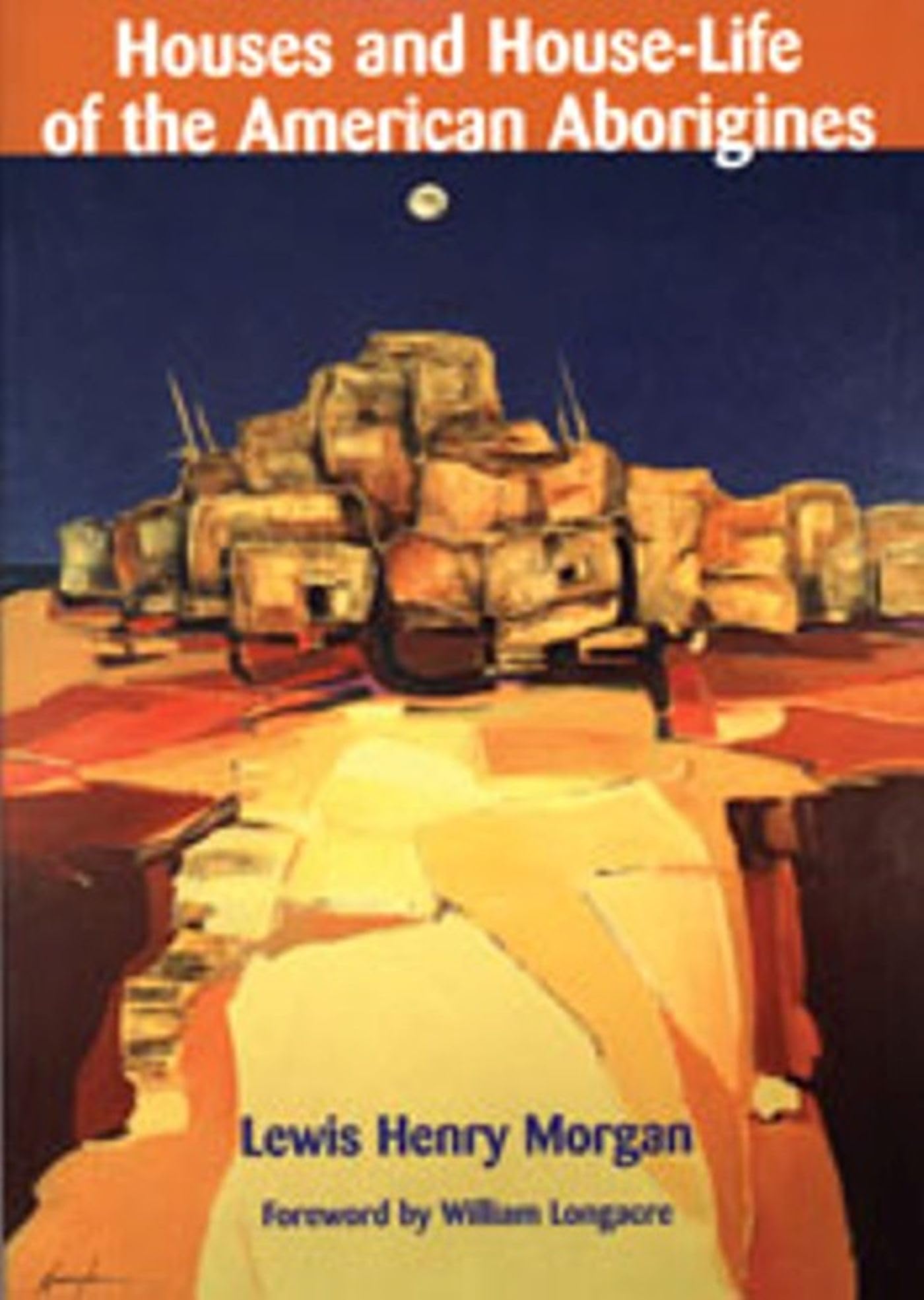
Title
Houses And Houselife Of The American Aborigines,New
Sold by Ergodebooks, an authorized reseller.
Returns accepted within 30 days | support@ergodebooks.com
Shipping Information
- Free Standard Shipping — United States only
- Processing Time: 3–5 business days
- Estimated Delivery: 6–10 business days after dispatch
- Double-boxed, fully insured & discreetly packaged
- Tracking number sent via email once dispatched
Returns & Refund
Returns accepted within 30 days of delivery.
Damaged or Defective Item
Free return shipping + replacement or full refund
Wrong Item Received
Free return shipping + replacement or full refund
Change of Mind
Return shipping at customer's expense · 25% restocking fee applies
Payment Option

A classic, available again.Lewis Henry Morgan (18181881) was trained as a lawyer, but in the second part of his life he focused his attention on the emerging science of ethnography.Covering areas of North and Central America, Morgans last book, Houses and HouseLife of the American Aborigines was the first to regard a set of problems that is still currently debated: what does domestic architecture show anthropologists and archaeologists about social organization, and how does social organization combine with a system of production technology and ecological adjustment to influence domestic and public architecture? As William Longacre makes clear in the new introduction, the development of anthropological archaeology was profoundly affected by this book, and its impact continues to resonate.Demonstrating a lack of ethnocentrism rare for his day, Morgan gathered most of his own data from the field and from a gigantic correspondence. The result is a lively, readable work that is still fascinating and instructive today.
⚠️ WARNING (California Proposition 65):
This product may contain chemicals known to the State of California to cause cancer, birth defects, or other reproductive harm.
For more information, please visit www.P65Warnings.ca.gov.
- Q: How many pages does this book have? A: This book has three hundred ten pages. It provides an in-depth exploration of Native American domestic architecture.
- Q: What is the binding type of this book? A: The binding type of this book is paperback. This makes it lightweight and easy to handle.
- Q: What are the dimensions of this book? A: The dimensions of this book are six inches in length, one point two six inches in width, and nine point zero two inches in height. These measurements make it a comfortable read.
- Q: Who is the author of this book? A: The author of this book is Lewis Henry Morgan. He was a notable figure in the field of ethnography.
- Q: What is the genre of this book? A: The genre of this book is Native American ethnography. It explores the domestic lives and architecture of American Aborigines.
- Q: Is this book suitable for academic research? A: Yes, this book is suitable for academic research. It is foundational in the study of anthropology and archaeology.
- Q: How does this book contribute to understanding social organization? A: This book addresses how domestic architecture reflects social organization. It connects social structures with production technology and ecological adjustments.
- Q: Can this book be read by beginners? A: Yes, this book can be read by beginners. Its engaging writing style makes complex topics accessible.
- Q: Is the content of this book appropriate for all ages? A: Yes, the content of this book is appropriate for all ages. It provides educational insights into Native American culture.
- Q: How should I store this book to keep it in good condition? A: Store this book in a cool, dry place away from direct sunlight. This will help preserve its condition and binding.
- Q: What is the best way to clean this book? A: To clean this book, gently wipe the cover with a dry cloth. Avoid using water or cleaning solutions that could damage the paper.
- Q: What if this book arrives damaged? A: If this book arrives damaged, you should contact the seller immediately for a return or exchange. Most sellers offer a customer service policy for such issues.
- Q: Can I return this book if I don't like it? A: Yes, you can typically return this book if you don't like it. Be sure to check the specific return policy of the seller.
- Q: Is this book available in digital format? A: No, this book is currently only available in paperback format. There are no digital editions available at this time.
- Q: Does this book have any illustrations? A: No, this book does not contain illustrations. It focuses on text-based analysis and ethnographic detail.
- Q: What is the publication date of this book? A: The publication date of this book is not specified in the details. However, it is described as a classic work in ethnography.