
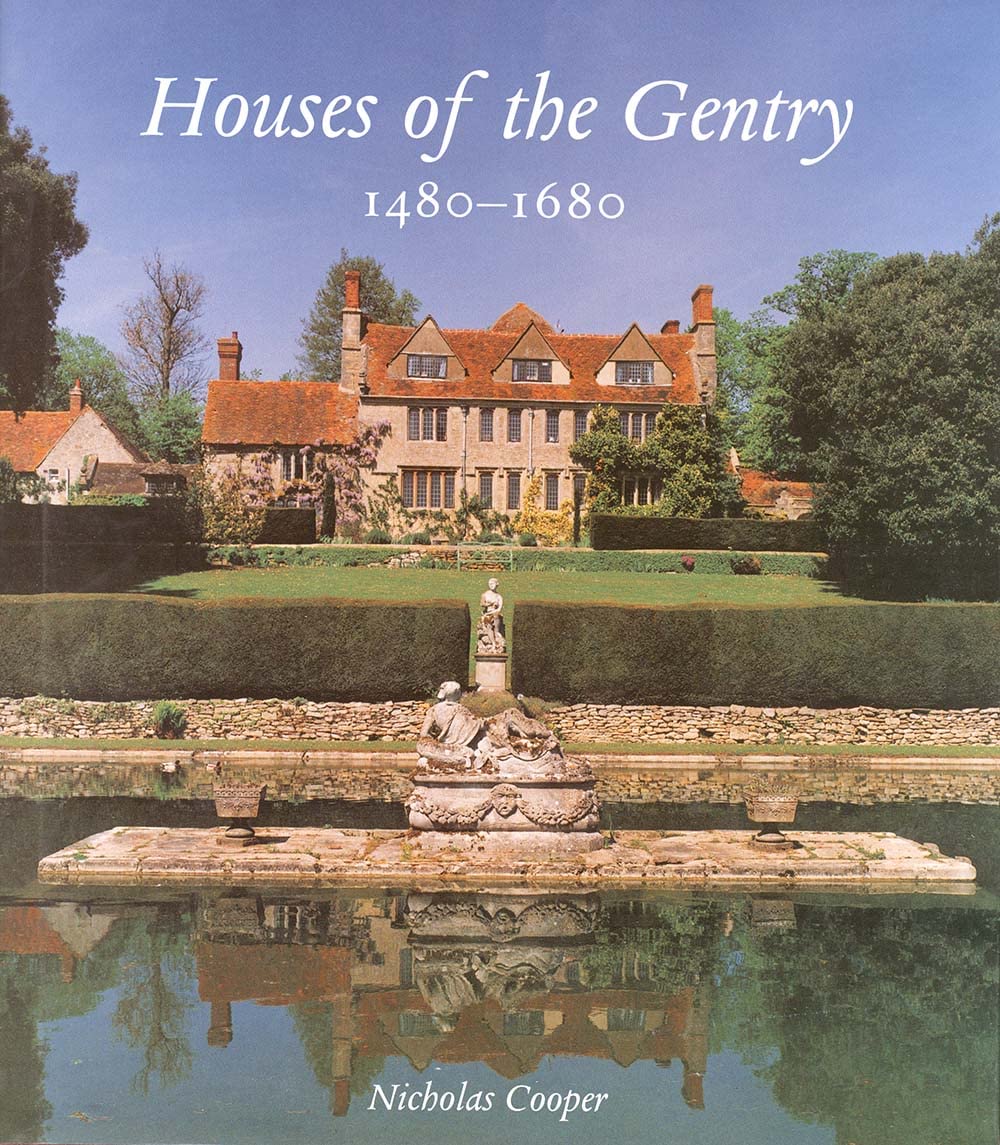
Title
Houses of the Gentry 14801680,Used
Sold by Ergodebooks, an authorized reseller.
Returns accepted within 30 days | support@ergodebooks.com
Shipping Information
- Free Standard Shipping — United States only
- Processing Time: 3–5 business days
- Estimated Delivery: 6–10 business days after dispatch
- Double-boxed, fully insured & discreetly packaged
- Tracking number sent via email once dispatched
Returns & Refund
Returns accepted within 30 days of delivery.
Damaged or Defective Item
Free return shipping + replacement or full refund
Wrong Item Received
Free return shipping + replacement or full refund
Change of Mind
Return shipping at customer's expense · 25% restocking fee applies
Payment Option

From the end of the fifteenth century to the closing years of the seventeenth, England underwent radical social change. English architecture changed radically as well, and the homes of the gentry were transformed as members of this class grew in numbers, wealth, and importance. This abundantly illustrated book provides for the first time a full account of the houses that were built and inhabited by the upper classes during this rich and fascinating period. Architectural historian Nicholas Cooper explores hundreds of gentry houses, some well known and others far less familiar, and considers their evolution in the light of economic, political, and social changes of the age.The book begins with a discussion of the members of the gentry class, their increasing influence, notions of gentility, and evolving attitudes toward the art of architecture and the craft of building. Cooper then traces changes in the architecture and layout of many specific upper class houses and shows how broader social trends and needs were reflected in such developments as the reception of classicism and the evolution of the new types of plans. This book is a treasury of information about English upperclass houses of 1480 to 1680, and about the attitudes and motives of those who built, owned, and lived in them.Published for the Paul Mellon Centre for Studies in British Art, in association with the Royal Commission on the Historical Monuments of England
⚠️ WARNING (California Proposition 65):
This product may contain chemicals known to the State of California to cause cancer, birth defects, or other reproductive harm.
For more information, please visit www.P65Warnings.ca.gov.