
Title
How Antitrust Failed Workers,Used
Sold by Ergodebooks, an authorized reseller.
Returns accepted within 30 days | support@ergodebooks.com
Shipping Information
- Free Standard Shipping — United States only
- Processing Time: 3–5 business days
- Estimated Delivery: 6–10 business days after dispatch
- Double-boxed, fully insured & discreetly packaged
- Tracking number sent via email once dispatched
Returns & Refund
Returns accepted within 30 days of delivery.
Damaged or Defective Item
Free return shipping + replacement or full refund
Wrong Item Received
Free return shipping + replacement or full refund
Change of Mind
Return shipping at customer's expense · 25% restocking fee applies
Payment Option

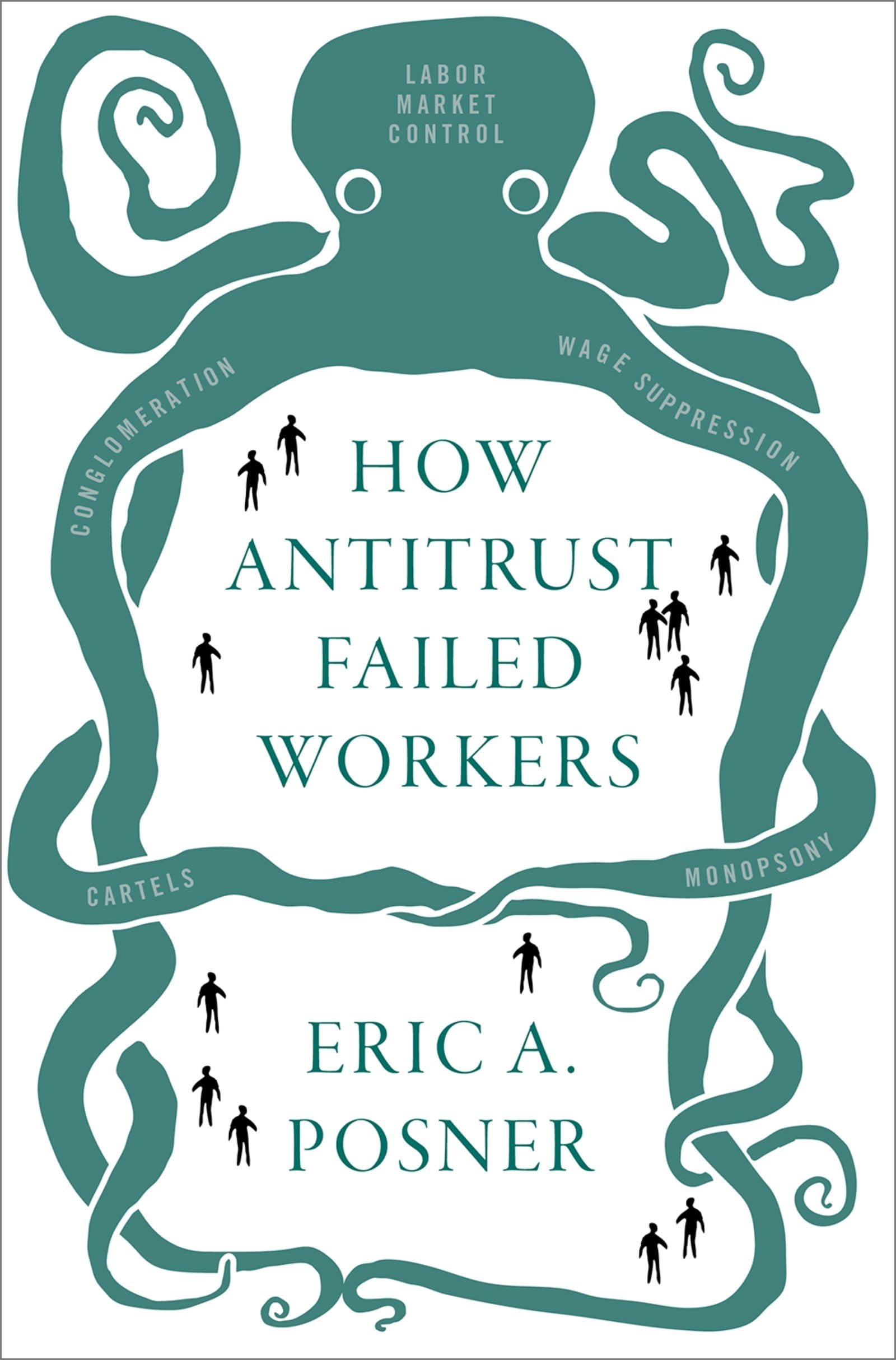
A trenchant account of an unacknowledged driver of inequality and wage stagnation in America: the failure of antitrust law to prevent the consolidation of employers, who use their market power to suppress wages.Since the 1970s, Americans have seen inequality skyrocketand job opportunities stagnate. There are many theories of why this happened, including the decline of organized labor, changes in technology, and the introduction of tax policies that favored the rich. A missing piece of the puzzle is the consolidation of employers, which has resulted in limited competition in labor markets. This should have been addressed by antitrust law, but was not. In How Antitrust Law Failed Workers, Eric Posner documents the failure of antitrust law to address labor market concentration. Only through reforming antitrust law can we shield workers from employers' overwhelming market power.Antitrust law is wellknown for its role in combatting mergers, pricefixing arrangements, and other anticompetitive actions in product markets. By opposing these practices, antitrust law enhances competition among firms and keeps prices low for goods and services. Less wellknown, antitrust law also applies to anticompetitive conduct by employers in labor markets, which pushes wages below the competitive rate. Yet there have been few labor market cases or enforcement actions, and almost no scholarly commentary on the role of antitrust law in labor markets. This book fills the gap. It explains why antitrust law has failed to address labor market concentration, and how it can be reformed so that it does a better job.Essential reading for anyone interested in fighting economic inequality, How Antitrust Failed Workers also offers a sharp primer on the true nature of the American economyone that is increasingly uncompetitive and tilted against workers.
⚠️ WARNING (California Proposition 65):
This product may contain chemicals known to the State of California to cause cancer, birth defects, or other reproductive harm.
For more information, please visit www.P65Warnings.ca.gov.