
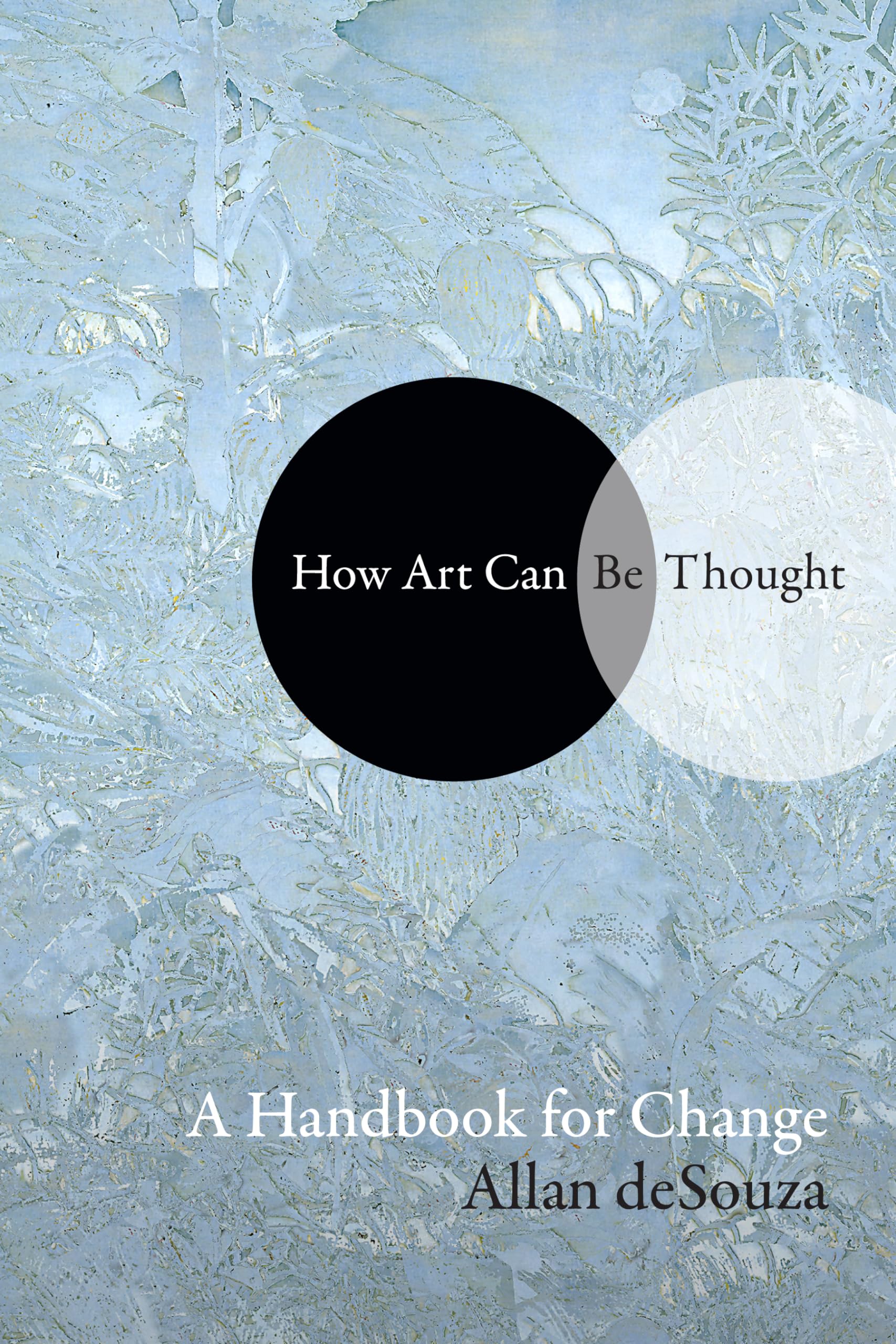
Title
How Art Can Be Thought: A Handbook For Change
Sold by Ergodebooks, an authorized reseller.
Returns accepted within 30 days | support@ergodebooks.com
Shipping Information
- Free Standard Shipping — United States only
- Processing Time: 3–5 business days
- Estimated Delivery: 6–10 business days after dispatch
- Double-boxed, fully insured & discreetly packaged
- Tracking number sent via email once dispatched
Returns & Refund
Returns accepted within 30 days of delivery.
Damaged or Defective Item
Free return shipping + replacement or full refund
Wrong Item Received
Free return shipping + replacement or full refund
Change of Mind
Return shipping at customer's expense · 25% restocking fee applies
Payment Option

What Terms Do We Use To Describe And Evaluate Art, And How Do We Judge If Art Is Good, And If It Is For The Social Good? In How Art Can Be Thought Allan Desouza Investigates Such Questions And The Popular Terminology Through Which Art Is Discussed, Valued, And Taught. Adapting Art Viewing To Contemporary Demands Within A Rapidly Changing World, Desouza Outlines How Art Functions As Politicized Culture Within A Global Industry. In Addition To Offering New Pedagogical Strategies For Mfa Programs And The Training Of Artists, He Provides An Extensive Analytical Glossary Of Some Of The Most Common Terms Used To Discuss Art While Focusing On Their Current And Changing Usage. He Also Shows How These Terms May Be Crafted To New Artistic And Social Practices, Particularly In What It Means To Decolonize The Places Of Display And Learning. Desouza'S Work Will Be Invaluable To The Casual Gallery Visitor And The Arts Professional Alike, To All Those Who Regularly Look At, Think About, And Make Artespecially Art Students And Faculty, Artists, Art Critics, And Curators.
⚠️ WARNING (California Proposition 65):
This product may contain chemicals known to the State of California to cause cancer, birth defects, or other reproductive harm.
For more information, please visit www.P65Warnings.ca.gov.
- Q: What is the page count of How Art Can Be Thought? A: This book has three hundred thirty-six pages. It offers an in-depth exploration of art evaluation and terminology.
- Q: What are the dimensions of How Art Can Be Thought? A: The dimensions are six inches in length, zero point seventy-five inches in width, and eight point nine inches in height. This makes it a compact handbook.
- Q: What binding type does How Art Can Be Thought use? A: This book is published in paperback. The binding is designed for durability and ease of handling.
- Q: Who is the author of How Art Can Be Thought? A: The author is Al-An deSouza, often referred to as Allan deSouza. He is known for his insights into art and pedagogy.
- Q: What is the primary category of How Art Can Be Thought? A: This book falls under the category of Criticism. It delves into the themes of art evaluation and social impact.
- Q: How can I apply the concepts from How Art Can Be Thought? A: You can use the insights to evaluate art critically and understand its social implications. It's suitable for art students and professionals.
- Q: Is How Art Can Be Thought suitable for beginners in art? A: Yes, it is suitable for beginners. The book offers foundational concepts and terminology that can enhance understanding.
- Q: What kind of reader would benefit from How Art Can Be Thought? A: Both casual gallery visitors and arts professionals will benefit. It’s valuable for anyone engaged in art-making or critique.
- Q: How do I keep How Art Can Be Thought in good condition? A: Store it in a cool, dry place away from direct sunlight. Avoid bending or creasing the pages to maintain its condition.
- Q: Are there any special care instructions for this book? A: No special care instructions are needed. Just handle it gently to prevent wear and tear.
- Q: What if How Art Can Be Thought arrives damaged? A: You should contact the seller for return or exchange options. Most retailers will provide assistance for damaged goods.
- Q: Is there a warranty for How Art Can Be Thought? A: Typically, books do not come with a warranty. However, check with the retailer for their specific return policy.
- Q: Can I find a glossary of art terms in How Art Can Be Thought? A: Yes, there is an extensive analytical glossary included. It provides definitions of common art terms and their usage.
- Q: Does How Art Can Be Thought cover contemporary art practices? A: Yes, it explores contemporary demands and how art is politicized. It discusses the relevance of art in today's society.
- Q: What is the primary focus of How Art Can Be Thought? A: The primary focus is on evaluating art and its social implications. It addresses how art functions within a global context.
- Q: Is How Art Can Be Thought useful for art educators? A: Yes, it provides new pedagogical strategies for MFA programs. Educators will find valuable insights for teaching art.