If you have any questions, you are always welcome to contact us. We'll get back to you as soon as possible, withing 24 hours on weekdays.
Customer service
All questions about your order, return and delivery must be sent to our customer service team by e-mail at yourstore@yourdomain.com
Sale & Press
If you are interested in selling our products, need more information about our brand or wish to make a collaboration, please contact us at press@yourdomain.com
Help
If you have any questions, you are always welcome to contact us. We'll get back to you as soon as possible, withing 24 hours on weekdays.
Customer service
All questions about your order, return and delivery must be sent to our customer service team by e-mail at yourstore@yourdomain.com
Sale & Press
If you are interested in selling our products, need more information about our brand or wish to make a collaboration, please contact us at press@yourdomain.com
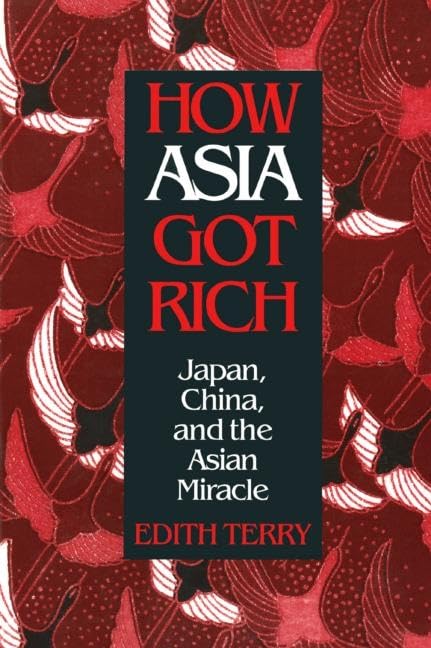
Within a few short months in 1997, Asian economies that had been considered not only healthy but "miraculous" suddenly fell off a precipice as investors withdrew massively first from Asian currencies and, in rapid order, from equity markets across the region. On October 27 1997, the turmoil in Asian markets spooked Wall Street in the largest singleday decline in history, a drop of 550 points. It was predicted that the Asian crash could drive the US trade deficit from $191 billion to $300 billion by 1998, creating huge new tensions in relations with some of the largest US trading partners. These wrenching changes, following a generation of success, raise numerous questions about the steps that led to the crisis, its likely outcome and the limits and constraints of "Asian capitalism". Edith Terry presents a blowbyblow account of the crisis, beginning with the 1996 collapse of the Bangkok Bank of Commerce. In her overview, she links the fall of the Asian miracle with the theme of globalization, arguing that the crisis demonstrates the urgency of dismantling restraints to trade, investment, and financial services, and that the United States should take leadership in pushing for new and sweeping reform through the World Trade Organization and in bilateral negotiations with its trading partners. The final section of the book deals with the rise of the "Asian miracle" how the myth was created, who created it, why it succeeded for so long and is informed by analysis of the Japanese prototype.
⚠️ WARNING (California Proposition 65):
This product may contain chemicals known to the State of California to cause cancer,
birth defects, or other reproductive harm.
For MAP (Minimum Advertised Price) violations and Intellectual Property (IP) or Trademark concerns, please contact:
support@ergodebooks.com
⚠️ California Proposition 65 Warning: Some products sold on this website may expose you to chemicals known to the State of California to cause cancer, birth defects, or other reproductive harm. For more information, visit www.P65Warnings.ca.gov.