If you have any questions, you are always welcome to contact us. We'll get back to you as soon as possible, withing 24 hours on weekdays.
Customer service
All questions about your order, return and delivery must be sent to our customer service team by e-mail at yourstore@yourdomain.com
Sale & Press
If you are interested in selling our products, need more information about our brand or wish to make a collaboration, please contact us at press@yourdomain.com
Help
If you have any questions, you are always welcome to contact us. We'll get back to you as soon as possible, withing 24 hours on weekdays.
Customer service
All questions about your order, return and delivery must be sent to our customer service team by e-mail at yourstore@yourdomain.com
Sale & Press
If you are interested in selling our products, need more information about our brand or wish to make a collaboration, please contact us at press@yourdomain.com
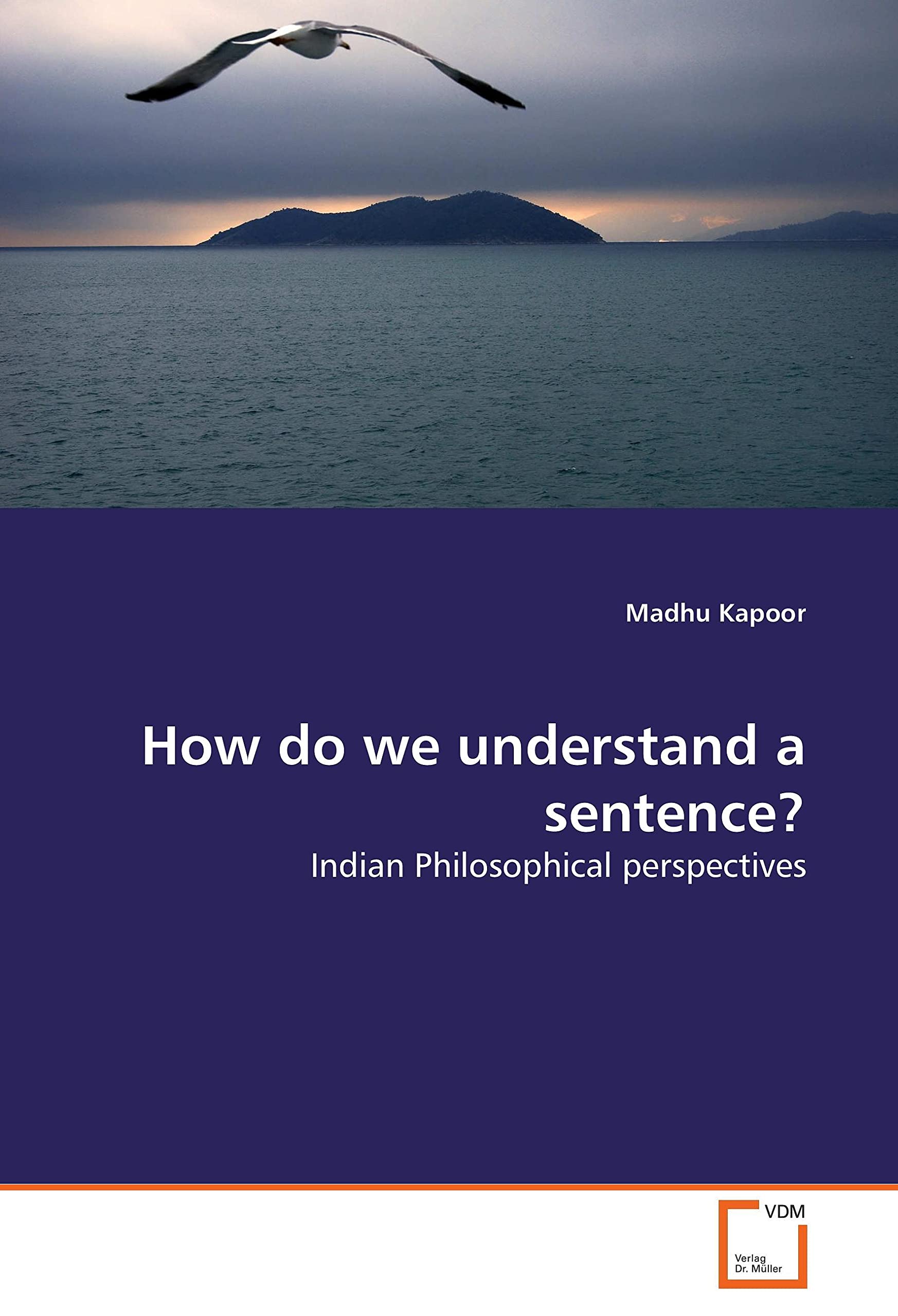
The book is a part of the doctoral thesis on "word and WordMeaning; A work based on Gadadhara's Saktivada". Gadadhara was a NavyaNaiyayika of the 17th century. The book reveals the basic structure behind our verbal cognition (Sabdabodha). Diagrammically the relationship between the speaker and the hearer, though very close, may be misinterpreted in many ways. The Naiyayikas clearly shows that if the linguistic structure is rightly transfer to the hearer there is no chance of distortion of meaning. The sentence meaning becomes totally transparent. Ancient Indian scholars have enhanced the power of speech as well as the power of silence. Both in a sense conveys the meaning to the hearer. Spoken words break the silence and again merge into silence. The midway position between the silence and the silence is structured through language that brings life among human beings. It is the play of language that enters into the stage of words visavis world through Greenroom and retires to the GreenRoom.
⚠️ WARNING (California Proposition 65):
This product may contain chemicals known to the State of California to cause cancer,
birth defects, or other reproductive harm.
For MAP (Minimum Advertised Price) violations and Intellectual Property (IP) or Trademark concerns, please contact:
support@ergodebooks.com
⚠️ California Proposition 65 Warning: Some products sold on this website may expose you to chemicals known to the State of California to cause cancer, birth defects, or other reproductive harm. For more information, visit www.P65Warnings.ca.gov.