
Title
How Novels Think: The Limits of Individualism from 17191900,New
Sold by Ergodebooks, an authorized reseller.
Returns accepted within 30 days | support@ergodebooks.com
Shipping Information
- Free Standard Shipping — United States only
- Processing Time: 3–5 business days
- Estimated Delivery: 6–10 business days after dispatch
- Double-boxed, fully insured & discreetly packaged
- Tracking number sent via email once dispatched
Returns & Refund
Returns accepted within 30 days of delivery.
Damaged or Defective Item
Free return shipping + replacement or full refund
Wrong Item Received
Free return shipping + replacement or full refund
Change of Mind
Return shipping at customer's expense · 25% restocking fee applies
Payment Option

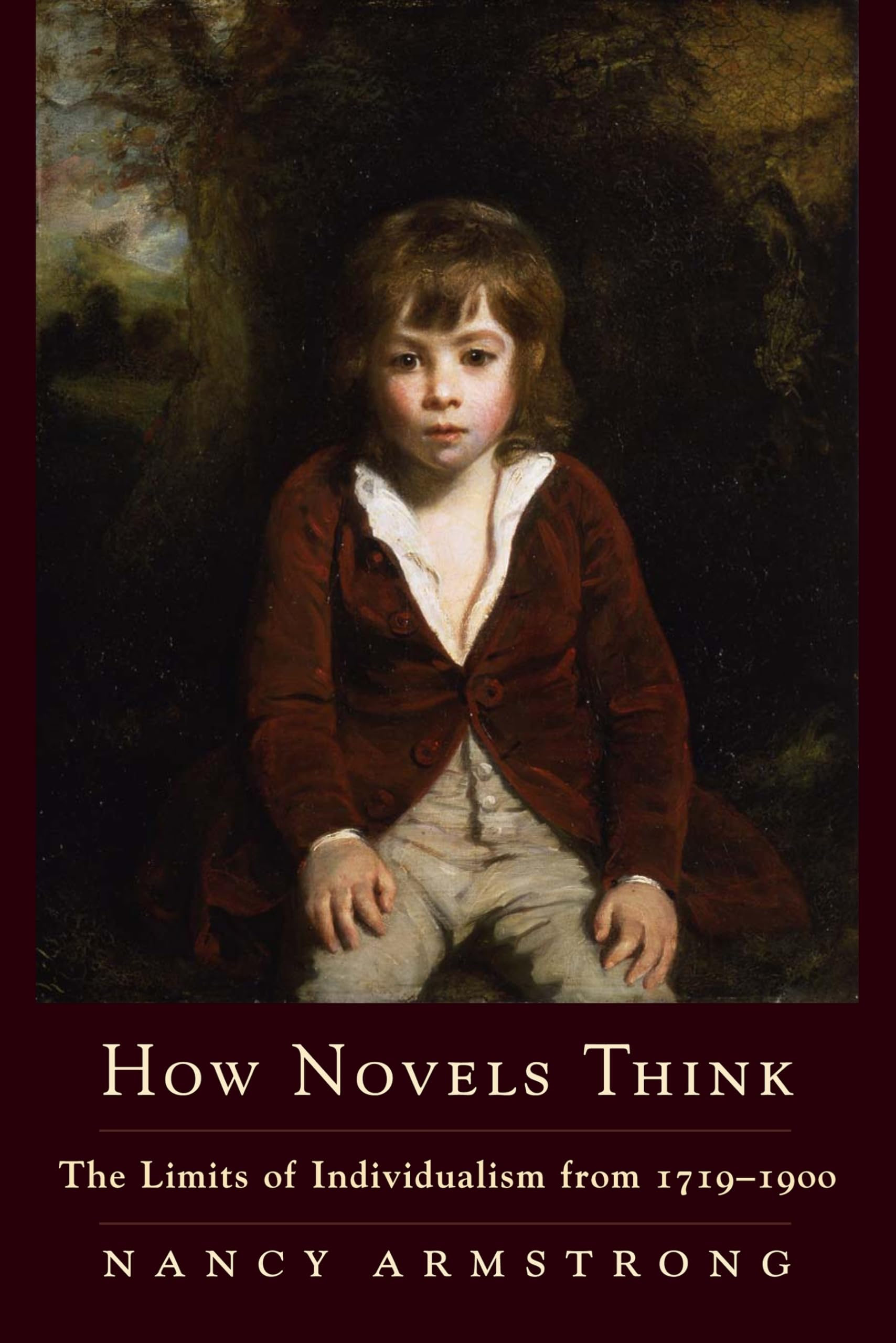
Nancy Armstrong argues that the history of the novel and the history of the modern individual are, quite literally, one and the same. She suggests that certain works of fiction created a subject, one displaying wit, will, or energy capable of shifting the social order to grant the exceptional person a place commensurate with his or her individual worth. Once the novel had created this figure, readers understood themselves in terms of a narrative that produced a selfgoverning subject.In the decades following the revolutions in British North America and France, the major novelists distinguished themselves as authors by questioning the fantasy of a selfmade individual. To show how novels by Defoe, Austen, Scott, Bront, Dickens, Eliot, Hardy, Haggard, and Stoker participated in the process of making, updating, and perpetuating the figure of the individual, Armstrong puts them in dialogue with the writings of Locke, Hume, Rousseau, Malthus, Darwin, Kant, and Freud. Such theorists as Althusser, Balibar, Foucault, and Deleuze help her make the point that the individual was not one but several different figures. The delineation and potential of the modern subject depended as much upon what it had to incorporate as what alternatives it had to keep at bay to address the conflicts raging in and around the British novel.
⚠️ WARNING (California Proposition 65):
This product may contain chemicals known to the State of California to cause cancer, birth defects, or other reproductive harm.
For more information, please visit www.P65Warnings.ca.gov.