If you have any questions, you are always welcome to contact us. We'll get back to you as soon as possible, withing 24 hours on weekdays.
Customer service
All questions about your order, return and delivery must be sent to our customer service team by e-mail at yourstore@yourdomain.com
Sale & Press
If you are interested in selling our products, need more information about our brand or wish to make a collaboration, please contact us at press@yourdomain.com
Help
If you have any questions, you are always welcome to contact us. We'll get back to you as soon as possible, withing 24 hours on weekdays.
Customer service
All questions about your order, return and delivery must be sent to our customer service team by e-mail at yourstore@yourdomain.com
Sale & Press
If you are interested in selling our products, need more information about our brand or wish to make a collaboration, please contact us at press@yourdomain.com
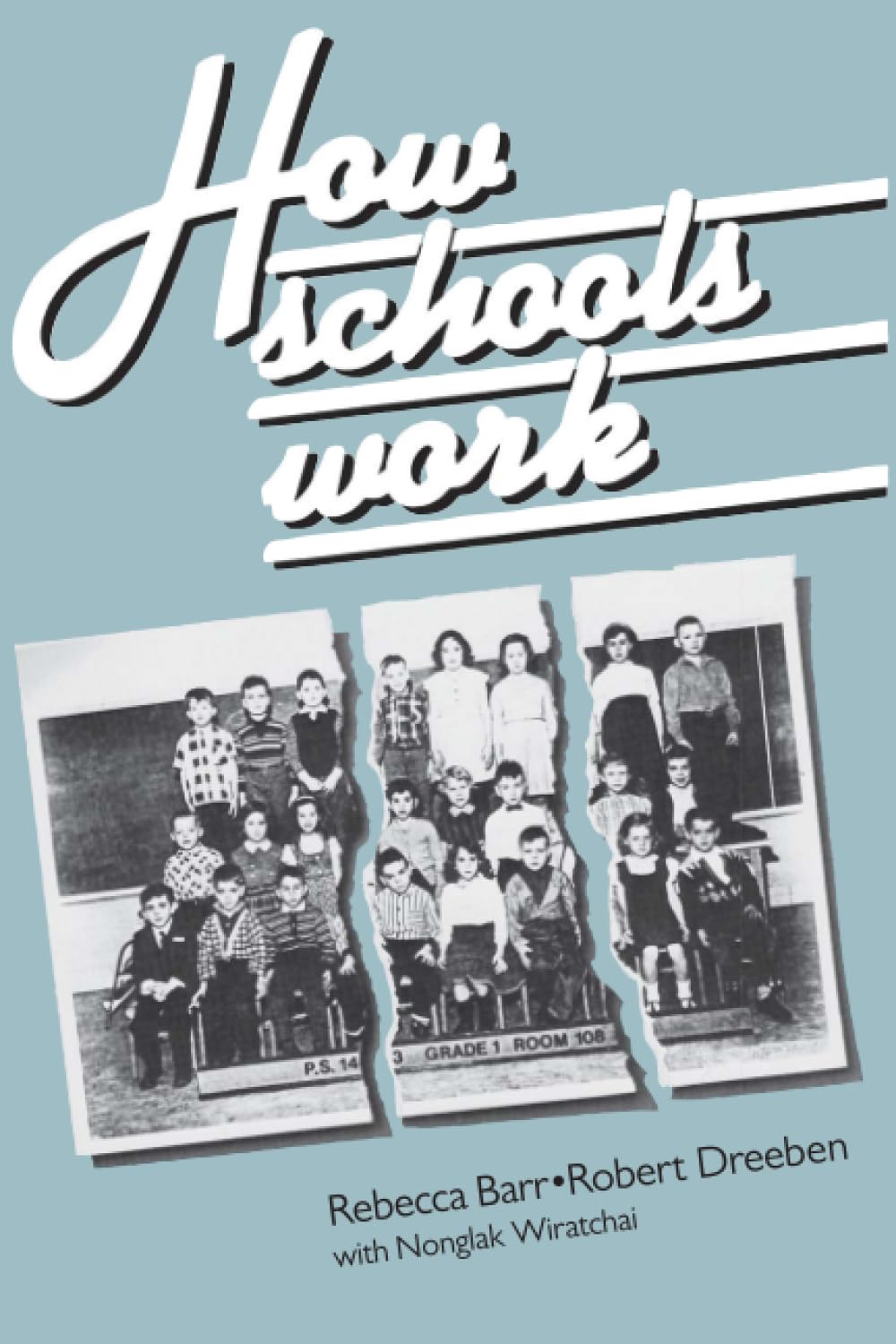
As budgets tighten for school districts, a sound understanding of just how teaching and administration translate into student learning becomes increasingly important. Rebecca Barr, a researcher of classroom instruction and reading skill development, and Robert Dreeben, a sociologist of education who analyzes the structure of organizations, combine their expertise to explore the social organization of schools and classrooms, the division of labor, and the allocation of key resources.Viewing schools as part of a social organization with a hierarchy of levelsdistrict, school, classroom, instructional group, and studentsavoids the common pitfalls of lumping together any and all possible influences on student learning without regard to the actual processes of the classroom. Barr and Dreeben systematically explain how instructional groups originate, form, and change over time. Focusing on first grade reading instruction, their study shows that individual reading aptitude actually has little direct relation to group reading achievement and virtually none to the coverage of reading materials once the mean aptitude of groups is taken into consideration. Individual aptitude, they argue, is rather the basis on which teachers form reading groups that are given different instructional treatment. It is these differences in group treatment, they contend, that explain substantial differences in learning curricular material.
⚠️ WARNING (California Proposition 65):
This product may contain chemicals known to the State of California to cause cancer,
birth defects, or other reproductive harm.
For MAP (Minimum Advertised Price) violations and Intellectual Property (IP) or Trademark concerns, please contact:
support@ergodebooks.com
⚠️ California Proposition 65 Warning: Some products sold on this website may expose you to chemicals known to the State of California to cause cancer, birth defects, or other reproductive harm. For more information, visit www.P65Warnings.ca.gov.