
Title
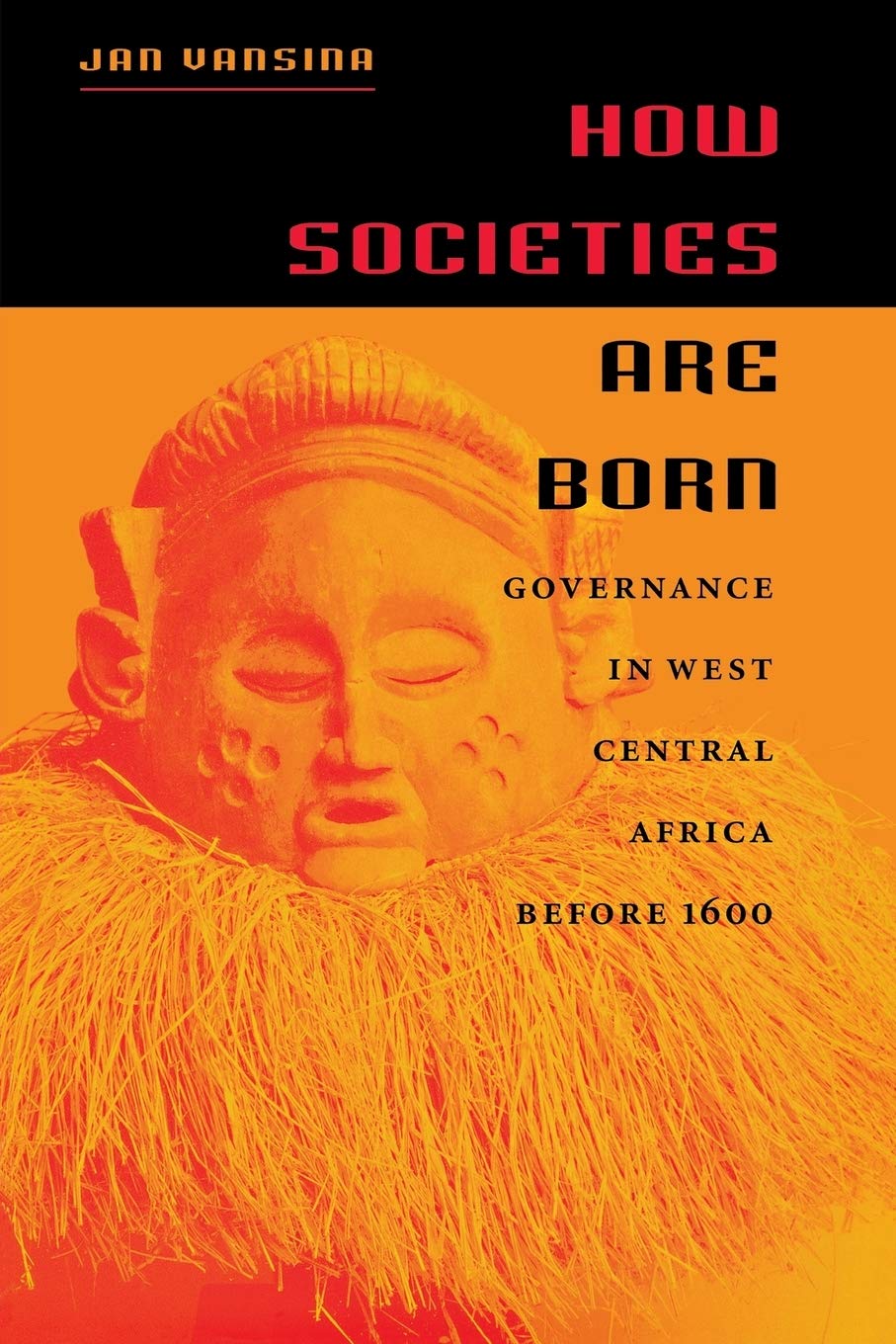
How Societies Are Born: Governance in West Central Africa before 1600,New
Sold by Ergodebooks, an authorized reseller.
Returns accepted within 30 days | support@ergodebooks.com
Shipping Information
- Free Standard Shipping — United States only
- Processing Time: 3–5 business days
- Estimated Delivery: 6–10 business days after dispatch
- Double-boxed, fully insured & discreetly packaged
- Tracking number sent via email once dispatched
Returns & Refund
Returns accepted within 30 days of delivery.
Damaged or Defective Item
Free return shipping + replacement or full refund
Wrong Item Received
Free return shipping + replacement or full refund
Change of Mind
Return shipping at customer's expense · 25% restocking fee applies
Payment Option

Like stars, societies are born, and this story deals with such a birth. It asks a fundamental and compelling question: How did societies first coalesce from the small foraging communities that had roamed in West Central Africa for many thousands of years?Jan Vansina continues a careerlong effort to reconstruct the history of African societies before European contact in How Societies Are Born. In this complement to his previous study Paths in the Rainforests, Vansina employs a provocative combination of archaeology and historical linguistics to turn his scholarly focus to governance, studying the creation of relatively large societies extending beyond the foraging groups that characterized west central Africa from the beginning of human habitation to around 500 BCE, and the institutions that bridged their constituent local communities and made largescale cooperation possible.The increasing reliance on cereal crops, iron tools, large herds of cattle, and overarching institutions such as corporate matrilineages and dispersed matriclans lead up to the developments treated in the second part of the book. From about 900 BCE until European contact, different societies chose different developmental paths. Interestingly, these proceeded well beyond environmental constraints and were characterized by 'major differences in the subjects which enthralled people,' whether these were cattle, initiations and social position, or 'the splendors of sacralized leaders and the possibilities of participating in them.'
⚠️ WARNING (California Proposition 65):
This product may contain chemicals known to the State of California to cause cancer, birth defects, or other reproductive harm.
For more information, please visit www.P65Warnings.ca.gov.