
Title
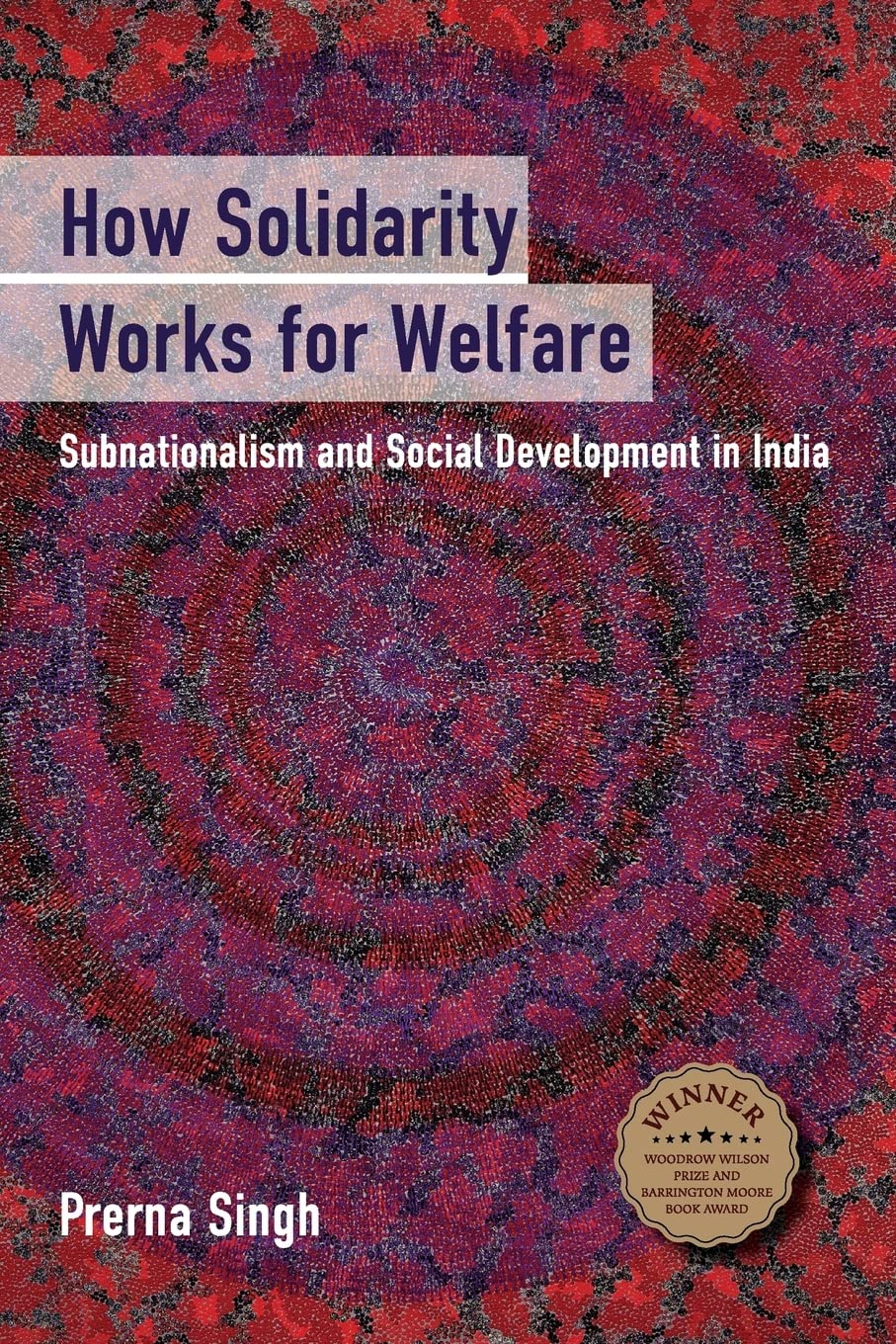
How Solidarity Works For Welfare: Subnationalism And Social Development In India (Cambridge Studies In Comparative Politics),New
Sold by Ergodebooks, an authorized reseller.
Returns accepted within 30 days | support@ergodebooks.com
Shipping Information
- Free Standard Shipping — United States only
- Processing Time: 3–5 business days
- Estimated Delivery: 6–10 business days after dispatch
- Double-boxed, fully insured & discreetly packaged
- Tracking number sent via email once dispatched
Returns & Refund
Returns accepted within 30 days of delivery.
Damaged or Defective Item
Free return shipping + replacement or full refund
Wrong Item Received
Free return shipping + replacement or full refund
Change of Mind
Return shipping at customer's expense · 25% restocking fee applies
Payment Option

Why Are Some Places In The World Characterized By Better Social Service Provision And Welfare Outcomes Than Others? In A World In Which Millions Of People, Particularly In Developing Countries, Continue To Lead Lives Plagued By Illiteracy And Illhealth, Understanding The Conditions That Promote Social Welfare Is Of Critical Importance To Political Scientists And Policy Makers Alike. Drawing On A Multimethod Study, From The Late Nineteenth Century To The Present Of The Stark Variations In Educational And Health Outcomes Within A Large, Federal, Multiethnic Developing Country India, This Book Develops An Argument For The Power Of Collective Identity As An Impetus For State Prioritization Of Social Welfare. Such An Argument Not Only Marks An Important Break From The Dominant Negative Perceptions Of Identity Politics But Also Presents A Novel Theoretical Framework To Understand Welfare Provision.
⚠️ WARNING (California Proposition 65):
This product may contain chemicals known to the State of California to cause cancer, birth defects, or other reproductive harm.
For more information, please visit www.P65Warnings.ca.gov.
- Q: What is the page count of this book? A: This book contains three hundred thirty-two pages. It provides an in-depth exploration of social welfare in India.
- Q: What is the binding type of this book? A: The binding type is paperback. This makes it lightweight and easy to handle.
- Q: What are the dimensions of this book? A: The dimensions are six inches in length, zero point eighty-three inches in width, and nine point zero two inches in height.
- Q: Who is the author of this book? A: The author is Prerna Singh. She conducts comprehensive research on social development and welfare policies.
- Q: What category does this book belong to? A: This book falls under the Economics category. It focuses on social development and welfare systems.
- Q: What themes are explored in this book? A: The book explores themes of subnationalism and social welfare in India. It examines the impact of collective identity on welfare prioritization.
- Q: How can I apply the ideas from this book? A: You can apply the ideas by analyzing social welfare policies. Use the insights to inform political science and policy-making in various contexts.
- Q: Is this book suitable for students? A: Yes, this book is suitable for students and researchers interested in political science and economics. It provides valuable insights into social welfare.
- Q: What makes this book unique? A: This book offers a novel theoretical framework for understanding welfare provision. It challenges negative perceptions of identity politics.
- Q: How should I care for this book? A: To keep the book in good condition, store it in a dry place away from direct sunlight. Avoid bending the cover or pages.
- Q: Is this book safe for all ages? A: Yes, this book is safe for all ages. It focuses on academic and social themes without inappropriate content.
- Q: What if my book arrives damaged? A: If your book arrives damaged, you should contact the seller for a return or exchange. Ensure you have your order details ready.
- Q: What is the return policy for this book? A: The return policy typically allows returns within a specific period. Check with the retailer for their specific terms and conditions.
- Q: Can this book help in understanding welfare in other countries? A: Yes, while it focuses on India, the frameworks discussed can be applicable to understanding welfare in other multiethnic federal countries.
- Q: Are there any additional resources recommended with this book? A: Yes, supplementary readings on social policy and identity politics are often recommended to deepen understanding of the themes.
- Q: What academic level is this book appropriate for? A: This book is appropriate for undergraduate and graduate students as well as professionals in political science and social development.