
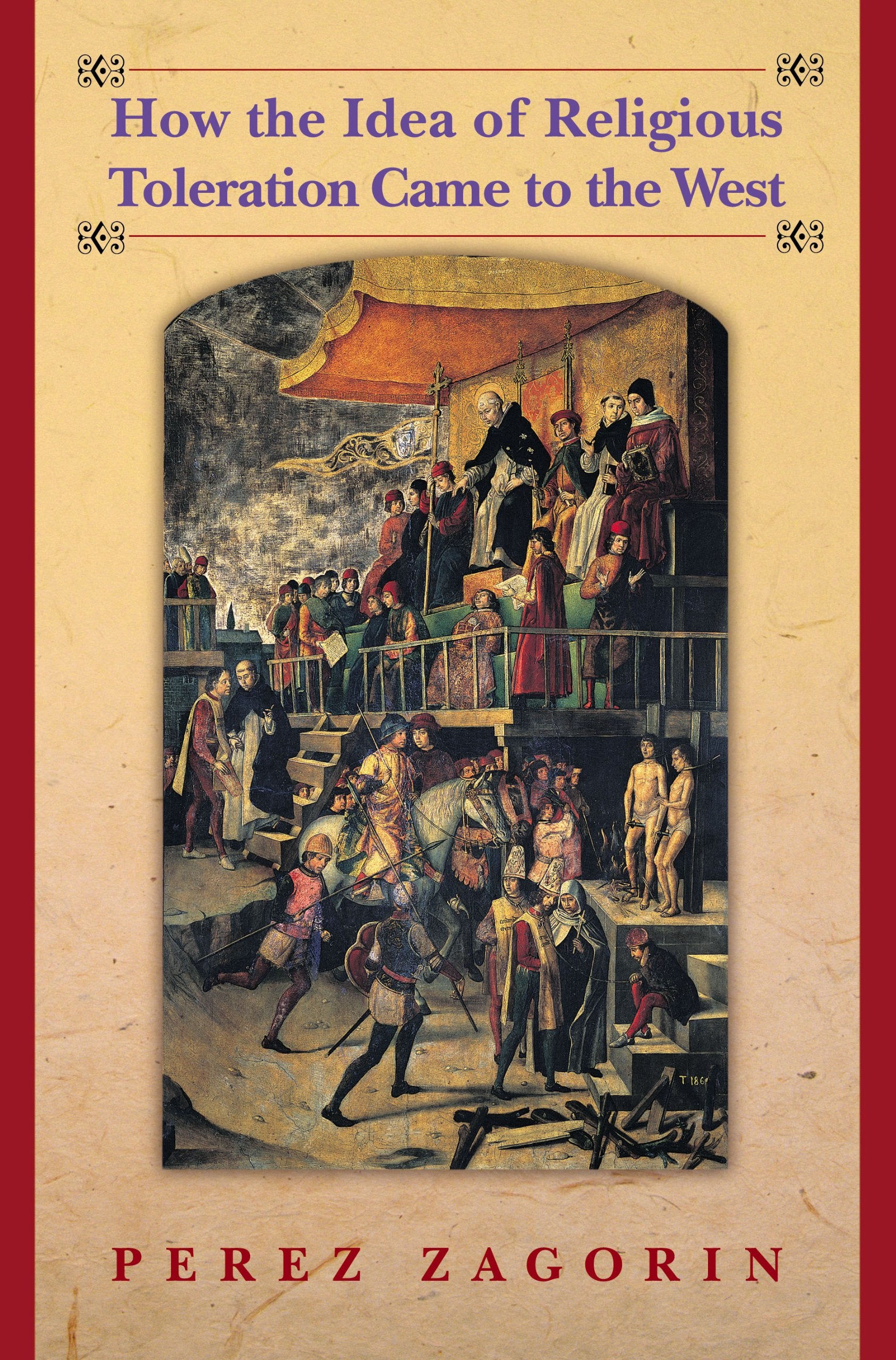
Title
How the Idea of Religious Toleration Came to the West,New
Sold by Ergodebooks, an authorized reseller.
Returns accepted within 30 days | support@ergodebooks.com
Shipping Information
- Free Standard Shipping — United States only
- Processing Time: 3–5 business days
- Estimated Delivery: 6–10 business days after dispatch
- Double-boxed, fully insured & discreetly packaged
- Tracking number sent via email once dispatched
Returns & Refund
Returns accepted within 30 days of delivery.
Damaged or Defective Item
Free return shipping + replacement or full refund
Wrong Item Received
Free return shipping + replacement or full refund
Change of Mind
Return shipping at customer's expense · 25% restocking fee applies
Payment Option

Religious intolerance, so terrible and deadly in its recent manifestations, is nothing new. In fact, until after the eighteenth century, Christianity was perhaps the most intolerant of all the great world religions. How Christian Europe and the West went from this extreme to their present universal belief in religious toleration is the momentous story fully told for the first time in this timely and important book by a leading historian of early modern Europe.Perez Zagorin takes readers to a time when both the Catholic Church and the main new Protestant denominations embraced a policy of endorsing religious persecution, coercing unity, and, with the state's help, mercilessly crushing dissent and heresy. This position had its roots in certain intellectual and religious traditions, which Zagorin traces before showing how out of the same traditions came the beginnings of pluralism in the West. Here we see how sixteenth and seventeenthcentury thinkerswriting from religious, theological, and philosophical perspectivescontributed far more than did political expediency or the growth of religious skepticism to advance the cause of toleration. Reading these thinkersfrom Erasmus and Sir Thomas More to John Milton and John Locke, among othersZagorin brings to light a common, if unexpected, thread: concern for the spiritual welfare of religion itself weighed more in the defense of toleration than did any secular or pragmatic arguments. His bookwhich ranges from England through the Netherlands, the post1685 Huguenot Diaspora, and the American Coloniesalso exposes a close connection between toleration and religious freedom.A farreaching and incisive discussion of the major writers, thinkers, and controversies responsible for the emergence of religious tolerance in Western societyfrom the Enlightenment through the United Nations' Universal Declaration of Human Rightsthis original and richly nuanced work constitutes an essential chapter in the intellectual history of the modern world.
⚠️ WARNING (California Proposition 65):
This product may contain chemicals known to the State of California to cause cancer, birth defects, or other reproductive harm.
For more information, please visit www.P65Warnings.ca.gov.