
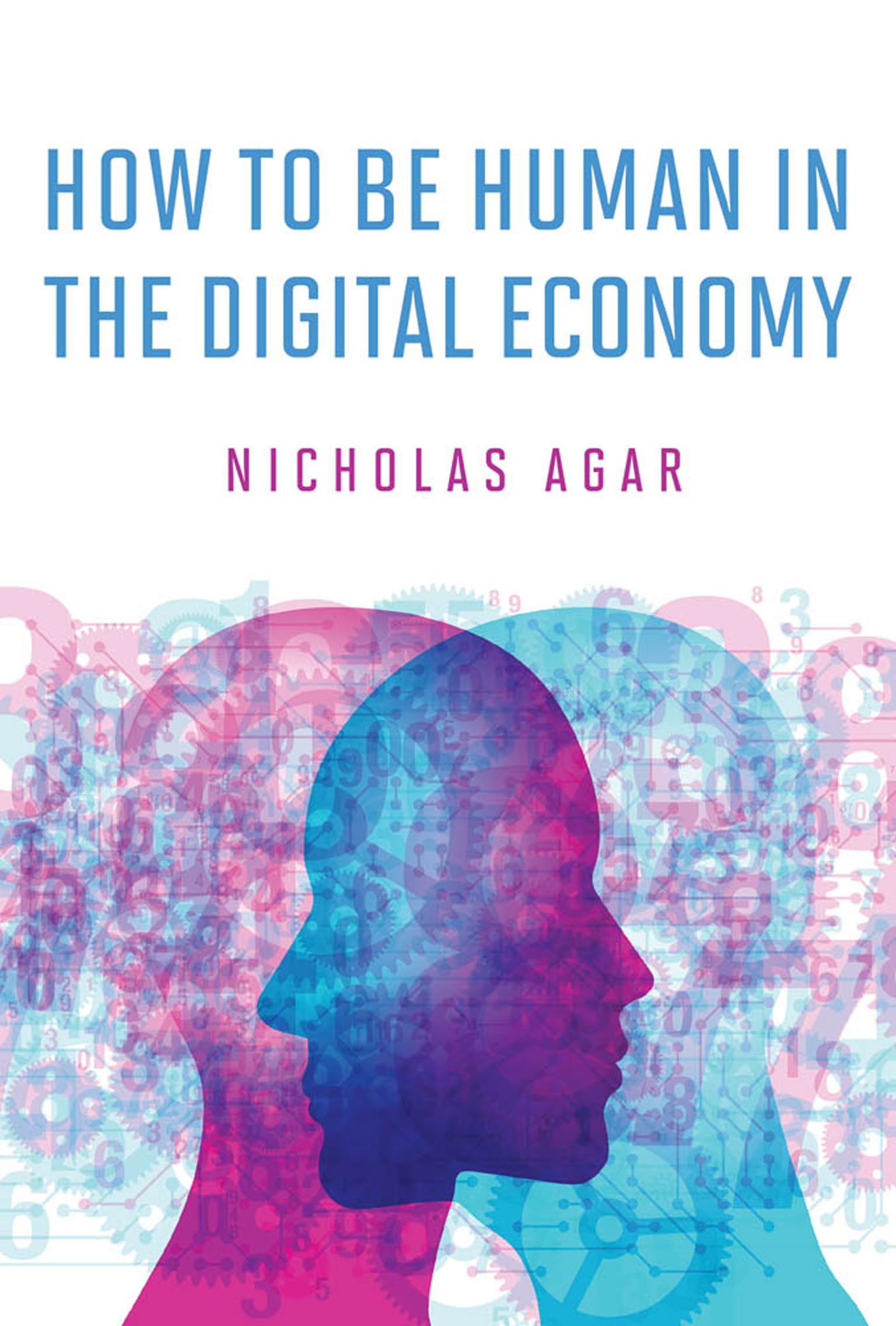
Title
How to Be Human in the Digital Economy (Mit Press),Used
Sold by Ergodebooks, an authorized reseller.
Returns accepted within 30 days | support@ergodebooks.com
Shipping Information
- Free Standard Shipping — United States only
- Processing Time: 3–5 business days
- Estimated Delivery: 6–10 business days after dispatch
- Double-boxed, fully insured & discreetly packaged
- Tracking number sent via email once dispatched
Returns & Refund
Returns accepted within 30 days of delivery.
Damaged or Defective Item
Free return shipping + replacement or full refund
Wrong Item Received
Free return shipping + replacement or full refund
Change of Mind
Return shipping at customer's expense · 25% restocking fee applies
Payment Option

An argument in favor of finding a place for humans (and humanness) in the future digital economy.In the digital economy, accountants, baristas, and cashiers can be automated out of employment; so can surgeons, airline pilots, and cab drivers. Machines will be able to do these jobs more efficiently, accurately, and inexpensively. But, Nicholas Agar warns in this provocative book, these developments could result in a radically disempowered humanity.The digital revolution has brought us new gadgets and new things to do with them. The digital revolution also brings the digital economy, with machines capable of doing humans' jobs. Agar explains that developments in artificial intelligence enable computers to take over not just routine tasks but also the kind of mind work that previously relied on human intellect, and that this threatens human agency. The solution, Agar argues, is a hybrid socialdigital economy. The key value of the digital economy is efficiency. The key value of the social economy is humanness.A social economy would be centered on connections between human minds. We should reject some digital automation because machines will always be poor substitutes for humans in roles that involve direct contact with other humans. A machine can count out pills and pour out coffee, but we want our nurses and baristas to have minds like ours. In a hybrid socialdigital economy, people do the jobs for which feelings matter and machines take on dataintensive work. But humans will have to insist on their relevance in a digital age.
⚠️ WARNING (California Proposition 65):
This product may contain chemicals known to the State of California to cause cancer, birth defects, or other reproductive harm.
For more information, please visit www.P65Warnings.ca.gov.
- Q: What is the page count of this book? A: This book has two hundred thirty-two pages. It provides an in-depth exploration of human agency in the digital economy.
- Q: What are the dimensions of this book? A: The book measures six point twenty-six inches in length, zero point seventy-five inches in width, and nine point thirty-one inches in height. These dimensions make it suitable for easy handling.
- Q: What type of binding does this book have? A: This book is bound in hardcover. This provides durability and a more premium feel compared to paperback versions.
- Q: Who is the author of this book? A: The author of this book is Nicholas Agar. He is known for his insights into the intersection of technology and humanity.
- Q: What is the main theme of this book? A: The main theme revolves around the importance of maintaining human relevance in an increasingly automated digital economy. It emphasizes the value of human connections.
- Q: Is this book suitable for all ages? A: Yes, this book is suitable for adults and older teens. It addresses complex themes regarding technology and society.
- Q: How does this book suggest we approach automation? A: The book argues for a hybrid social-digital economy. It suggests that humans should take on roles that require emotional intelligence while machines handle data-intensive tasks.
- Q: What is the intended audience for this book? A: The intended audience includes readers interested in technology, economics, and human sociology. It is aimed at those seeking to understand the future of work.
- Q: What type of economy does the author advocate for? A: The author advocates for a hybrid social-digital economy. This model emphasizes the importance of human connections in a technology-driven world.
- Q: Can this book help me understand AI's impact on jobs? A: Yes, this book provides insights into how artificial intelligence affects various occupations. It highlights the potential for displacement and the need for human roles.
- Q: Does this book discuss the role of machines in society? A: Yes, it discusses how machines can efficiently perform tasks but cautions against losing human agency. The author argues for a balance between automation and human involvement.
- Q: How often should I read books like this? A: You should read such books regularly if you are interested in technology and its societal implications. They can enhance your understanding of current and future trends.
- Q: What is the primary argument made by Nicholas Agar? A: The primary argument is that while machines enhance efficiency, they should not replace human roles that require empathy and interpersonal skills.
- Q: How can I apply the concepts from this book in real life? A: You can apply the concepts by advocating for human-centered approaches in your workplace. Emphasizing interpersonal connections alongside technology is key.
- Q: Is there a specific genre this book fits into? A: Yes, this book falls under the genre of intelligence and semantics. It combines philosophy, economics, and technology discussions.