
Title
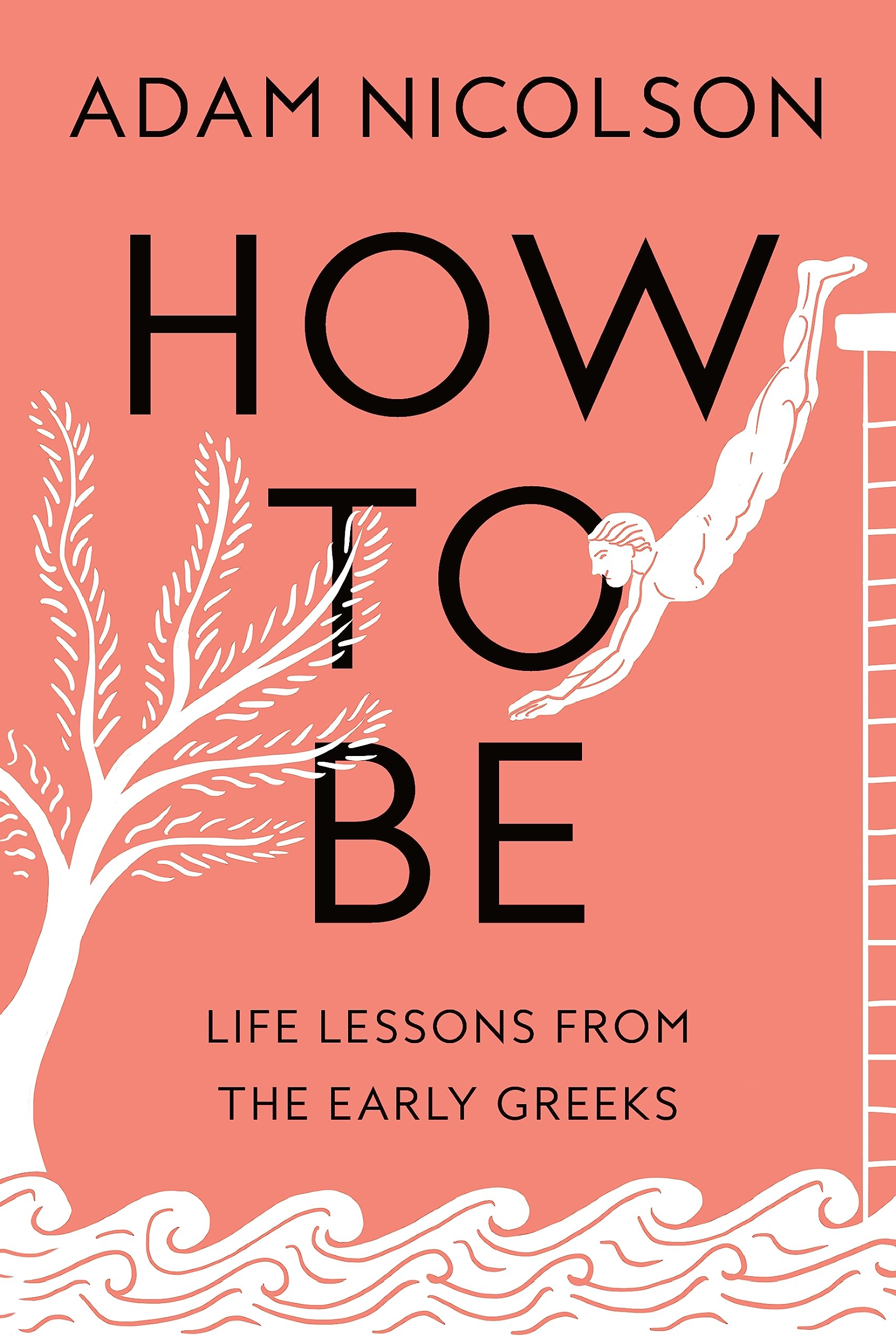
How To Be: Life Lessons From The Early Greeks,Used
Sold by Ergodebooks, an authorized reseller.
Returns accepted within 30 days | support@ergodebooks.com
Shipping Information
- Free Standard Shipping — United States only
- Processing Time: 3–5 business days
- Estimated Delivery: 6–10 business days after dispatch
- Double-boxed, fully insured & discreetly packaged
- Tracking number sent via email once dispatched
Returns & Refund
Returns accepted within 30 days of delivery.
Damaged or Defective Item
Free return shipping + replacement or full refund
Wrong Item Received
Free return shipping + replacement or full refund
Change of Mind
Return shipping at customer's expense · 25% restocking fee applies
Payment Option

Nicolson crafts a geography of the ancient world and a brilliant exploration of our connections to the past.What is the nature of things?What is justice? How can I be myself?How should we treat each other?Before the Greeks, the idea of the world was dominated by godkings and their priests. Twentyfive hundred years ago, in a succession of small eastern Mediterranean harbor cities, a few heroic men and women decided to cast off mental subservience and apply their own thinking minds to the conundrums of life.These great innovators shaped the beginnings of western philosophy. Through the questioning voyager Odysseus, Homer explored how we might navigate our way through the world. Heraclitus, in Ephesus, was the first to consider the interrelatedness of things. Xenophanes of Colophon was the first champion of civility. On the Aegean island of Lesbos, the early lyric poets Sappho and Alcaeus asked themselves, How can I be true to myself? On Samos, Pythagoras imagined an everlasting soul and took his ideas to Italy, where they flowered again in surprising and radical forms.The awardwinning writer Adam Nicolson travels with us through this transforming world and asks what light these ancient thinkers can throw on our deepest preconceptions. Enhanced with maps, photographs, and artwork, How to Be is an expedition into early ideas. Nicolson takes us to the dawn of investigative thought and makes the fundamental questions of the ancient philosophers new again. What are the principles of the physical world? How can we be good in it? And why do we continue to ask these questions? It is an enthralling, exhilarating journey.
⚠️ WARNING (California Proposition 65):
This product may contain chemicals known to the State of California to cause cancer, birth defects, or other reproductive harm.
For more information, please visit www.P65Warnings.ca.gov.
- Q: What is the page count of 'How to Be: Life Lessons from the Early Greeks'? A: The book has three hundred sixty-eight pages. It offers a comprehensive exploration of ancient philosophy and its relevance today.
- Q: What are the dimensions of this book? A: The book measures six point twenty-six inches in length, one point eighteen inches in width, and nine point twenty-five inches in height. These dimensions make it a suitable size for reading and display.
- Q: What type of binding does this book have? A: This book is hardcover bound. Hardcover bindings provide durability and a premium feel, making it ideal for collectors.
- Q: How do I read 'How to Be: Life Lessons from the Early Greeks'? A: You can read this book in any comfortable setting. It is suitable for anyone interested in philosophy, history, or self-discovery.
- Q: Is this book suitable for young readers? A: Yes, it is suitable for young adult readers and above. The themes of ancient philosophy can resonate with those exploring their own identities.
- Q: Can I use this book for academic purposes? A: Yes, this book can be used for academic study. It provides valuable insights into early Greek thought and its impact on Western philosophy.
- Q: How should I store this book to keep it in good condition? A: Store it upright on a bookshelf in a cool, dry place. Avoid direct sunlight to prevent fading and damage to the cover.
- Q: Is there any specific care needed for hardcover books? A: No special care is required beyond regular dusting. Keep it away from moisture to maintain its condition.
- Q: Can I loan this book to friends without worrying about damage? A: Yes, but handle it with care to avoid spine damage. Encourage friends to read it in a safe environment.
- Q: What if the book arrives damaged? A: Contact customer support for a replacement or return. Provide details and photographic evidence of the damage.
- Q: Does this book cover specific philosophical themes? A: Yes, it explores themes such as justice, identity, and the nature of existence. These topics are central to early Greek philosophy.
- Q: Is this book suitable for beginners in philosophy? A: Yes, it is accessible for beginners. It presents complex ideas in a relatable manner, making it easy to understand.
- Q: How does this book compare to other works on ancient philosophy? A: This book offers a unique narrative approach, blending history and philosophy. It stands out by connecting ancient lessons to modern questions.
- Q: Are there any illustrations in this book? A: Yes, the book is enhanced with maps, photographs, and artwork. These visuals enrich the reader's understanding of the content.
- Q: Is there a specific audience for this book? A: The book appeals to readers interested in philosophy, history, and self-exploration. It's suitable for a wide range of audiences.
- Q: What should I do if I have further questions about the book? A: You can reach out to the publisher or check online reviews for more insights. Additionally, community discussions can provide valuable perspectives.