
Title
How to Fix Copyright,Used
Sold by Ergodebooks, an authorized reseller.
Returns accepted within 30 days | support@ergodebooks.com
Shipping Information
- Free Standard Shipping — United States only
- Processing Time: 3–5 business days
- Estimated Delivery: 6–10 business days after dispatch
- Double-boxed, fully insured & discreetly packaged
- Tracking number sent via email once dispatched
Returns & Refund
Returns accepted within 30 days of delivery.
Damaged or Defective Item
Free return shipping + replacement or full refund
Wrong Item Received
Free return shipping + replacement or full refund
Change of Mind
Return shipping at customer's expense · 25% restocking fee applies
Payment Option

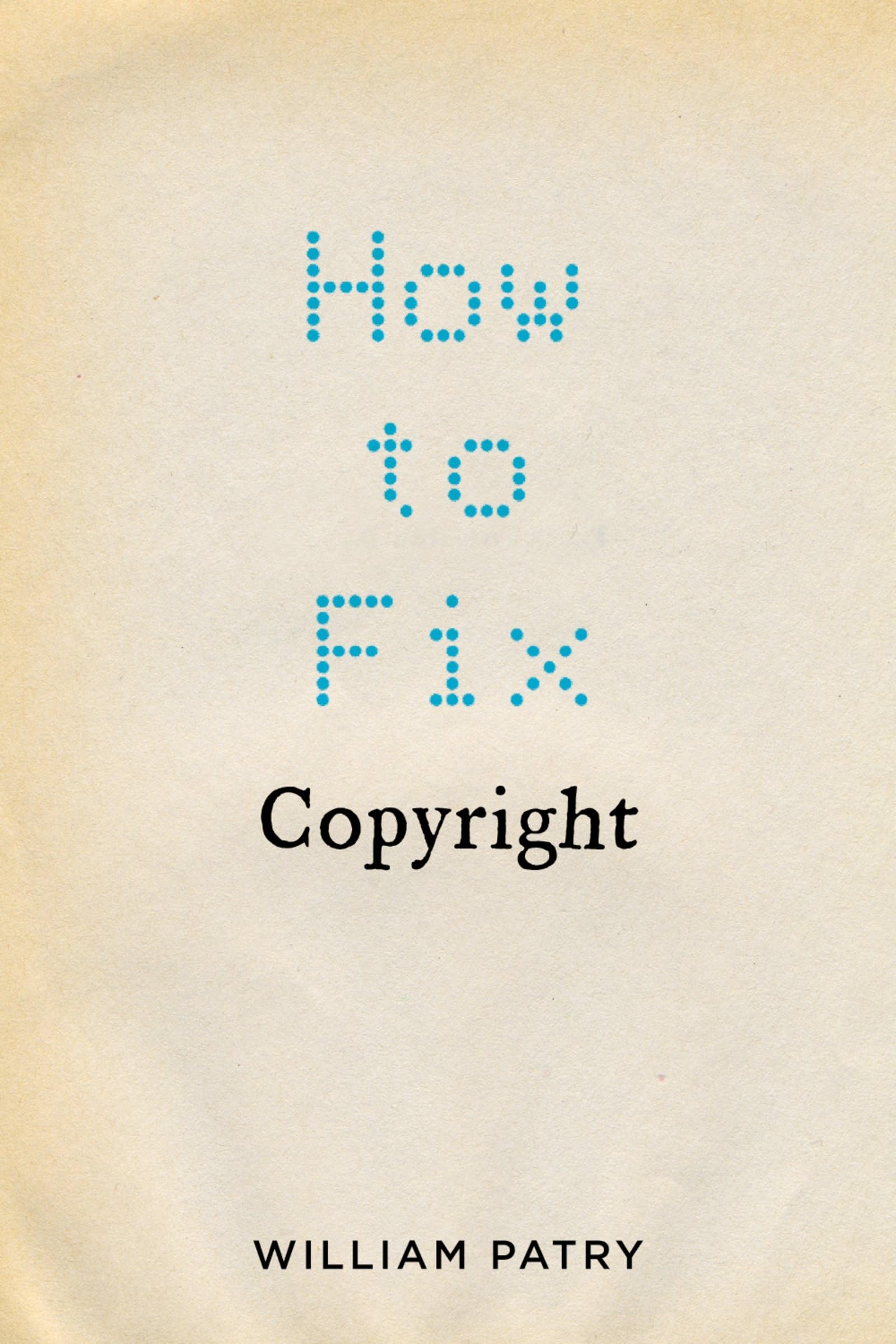
Do copyright laws directly cause people to create works they otherwise wouldn't create? Do those laws directly put substantial amounts of money into authors' pockets? Does culture depend on copyright? Are copyright laws a key driver of competitiveness and of the knowledge economy?These are the key questions William Patry addresses in How to Fix Copyright. We all share the goals of increasing creative works, ensuring authors can make a decent living, furthering culture and competitiveness and ensuring that knowledge is widely shared, but what role does copyright law actually play in making these things come true in the real world? Simply believing in lofty goals isn't enough. If we want our goals to come true, we must go beyond believing in them; we must ensure they come true, through empirical testing and adjustment.Patry argues that laws must be consistent with prevailing markets and technologies because technologies play a large (although not exclusive) role in creating consumer demand; markets then satisfy that demand. Patry discusses how copyright laws arose out of eighteenthcentury markets and technology, the most important characteristic of which was artificial scarcity. Artificial scarcity was created by the existence of a small number gatekeepers, by relatively high barriers to entry, and by analog limitations on copying.Markets and technologies change, in a symbiotic way, Patry asserts. New technologies create new demand, requiring new business models. The new markets created by the Internet and digital tools are the greatest ever: Barriers to entry are low, costs of production and distribution are low, the reach is global, and large sums of money can be made off of a multitude of small transactions. Along with these new technologies and markets comes the democratization of creation; digital abundance is replacing analog artificial scarcity.The task of policymakers is to remake our copyright laws to fit our times: our copyright laws, based on the eighteenth century concept of physical copies, gatekeepers, and artificial scarcity, must be replaced with laws based on access not ownership of physical goods, creation by the masses and not by the few, and global rather than regional markets. Patry's view is that of a traditionalist who believes in the goals of copyright but insists that laws must match the times rather than fight against the present and the future.
⚠️ WARNING (California Proposition 65):
This product may contain chemicals known to the State of California to cause cancer, birth defects, or other reproductive harm.
For more information, please visit www.P65Warnings.ca.gov.