
Title
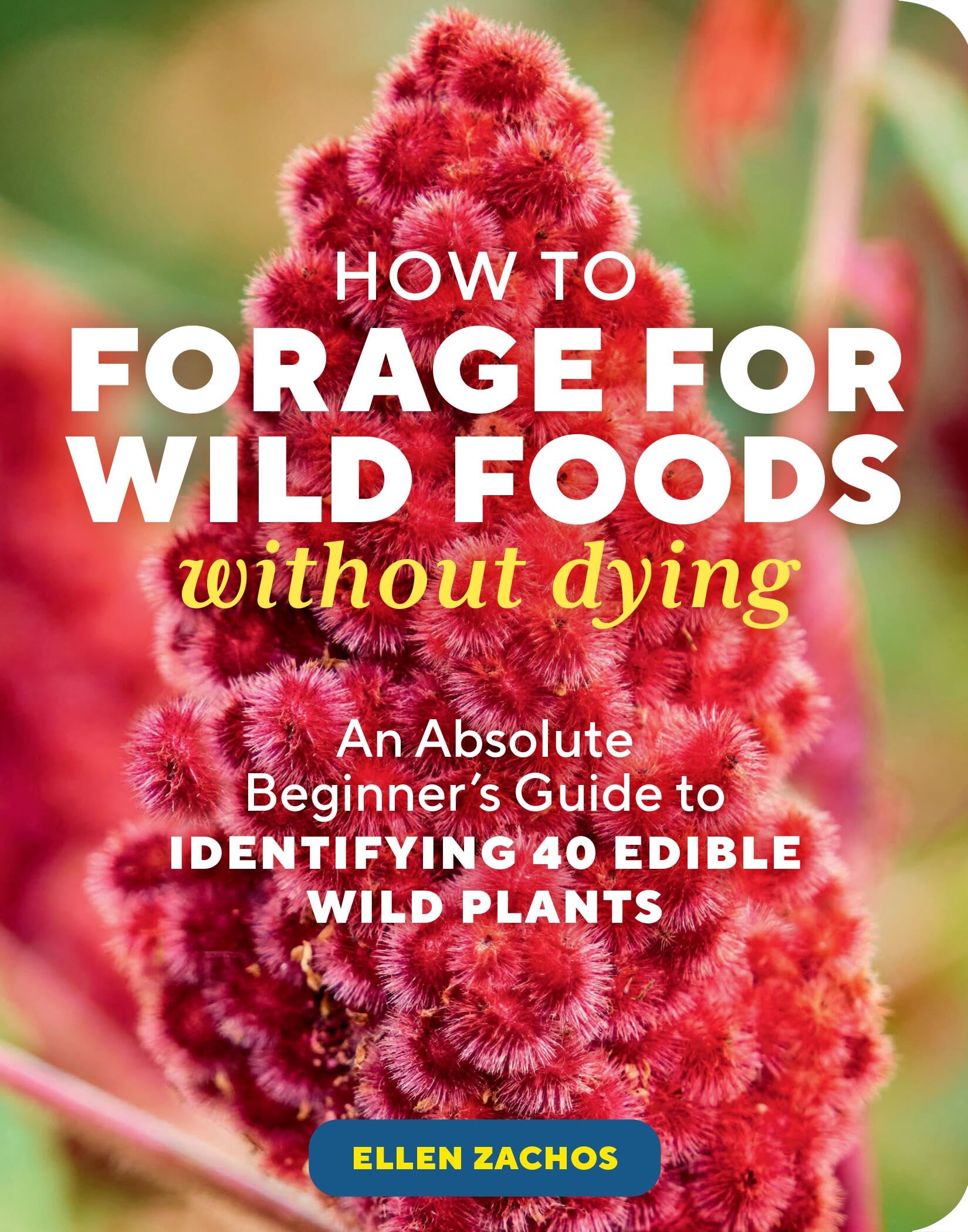
How To Forage For Wild Foods Without Dying: An Absolute Beginner'S Guide To Identifying 40 Edible Wild Plants,New
Sold by Ergodebooks, an authorized reseller.
Returns accepted within 30 days | support@ergodebooks.com
Shipping Information
- Free Standard Shipping — United States only
- Processing Time: 3–5 business days
- Estimated Delivery: 6–10 business days after dispatch
- Double-boxed, fully insured & discreetly packaged
- Tracking number sent via email once dispatched
Returns & Refund
Returns accepted within 30 days of delivery.
Damaged or Defective Item
Free return shipping + replacement or full refund
Wrong Item Received
Free return shipping + replacement or full refund
Change of Mind
Return shipping at customer's expense · 25% restocking fee applies
Payment Option

This onthego guide is perfect for new foragers eager to learn about the edible plants they're most likely to find, no matter what region they're in, and provides photos and easytofollow identification and use guidelines for the 40 most commonand most deliciouswild plants. How to Forage for Wild Foods without Dying is a book for anyone who likes to go on nature walks and would like to learn about the edible plants theyre most likely to come acrossno matter what region theyre in. Author Ellen Zachos shares her considerable expertise, acquired over decades of foraging in every part of North America. She offers clear, concise descriptions of edible wild plants, in addition to any potential lookalikes, as well as critical information about proper harvesting, processing, and cooking. Zachos has curated the plant selection to include only the 40 most common, most delicious edible plants, ranging from black walnuts and juniper berries to elderflowers, burdock, fiddlehead ferns, lambsquarter, wild garlic, sunchokes, and many more. With Zachoss expert advice and easytofollow guidelines, readers will be confident in identifying which plants they can safely eat and which ones they should definitely avoid. Easy instructions for preparation and eating for maximum enjoyment are included.
⚠️ WARNING (California Proposition 65):
This product may contain chemicals known to the State of California to cause cancer, birth defects, or other reproductive harm.
For more information, please visit www.P65Warnings.ca.gov.
- Q: How many pages does this book have? A: This book has two hundred fifty-six pages. It provides a detailed guide for beginners in foraging.
- Q: What is the binding type of this book? A: The binding type of this book is paperback. This makes it lightweight and portable for on-the-go foraging.
- Q: What are the dimensions of this book? A: The dimensions of this book are five point five five inches long, zero point five two inches wide, and seven point zero one inches high. Its compact size is ideal for carrying during outdoor activities.
- Q: How can I use this guide for foraging? A: You can use this guide by following the identification and preparation instructions for the edible plants listed. It provides clear descriptions and photos to help beginners identify safe wild foods.
- Q: Is this book suitable for beginners in foraging? A: Yes, this book is specifically designed for beginners. It offers simple guidelines and expert tips for safely identifying and using wild edible plants.
- Q: What kind of plants does this book cover? A: This book covers forty common edible wild plants. Examples include black walnuts, elderflowers, and wild garlic, making it a comprehensive resource for new foragers.
- Q: How should I store this book to keep it in good condition? A: You should store this book in a cool, dry place away from direct sunlight. Keeping it on a bookshelf or in a protective cover can help preserve its condition.
- Q: Is there any specific safety information in this book? A: Yes, the book includes critical information about proper harvesting and potential lookalikes of edible plants. This ensures readers can forage safely.
- Q: Can I take this book on outdoor trips? A: Yes, this book is perfect for outdoor trips. Its lightweight and portable design make it easy to carry while foraging.
- Q: What if I receive a damaged copy of this book? A: If you receive a damaged copy, you should contact the seller for a return or replacement. Most sellers offer a satisfaction guarantee.
- Q: Are there any detailed cooking instructions included? A: Yes, the book includes easy instructions for preparation and eating. This enhances your experience with the wild foods you forage.
- Q: Who is the author of this foraging guide? A: The author of this guide is Ellen Zachos. She is an expert in foraging with years of experience across North America.
- Q: Is this book suitable for children? A: Yes, this book is suitable for children with adult supervision. It can help instill an appreciation for nature and edible plants.
- Q: Does the book provide information on lookalike plants? A: Yes, it provides details on potential lookalikes to help readers avoid unsafe plants. This is crucial for safe foraging.
- Q: What is the focus of the book's content? A: The focus of the book is on identifying and safely foraging for edible wild plants. It aims to educate beginners on wild food resources.