
Title
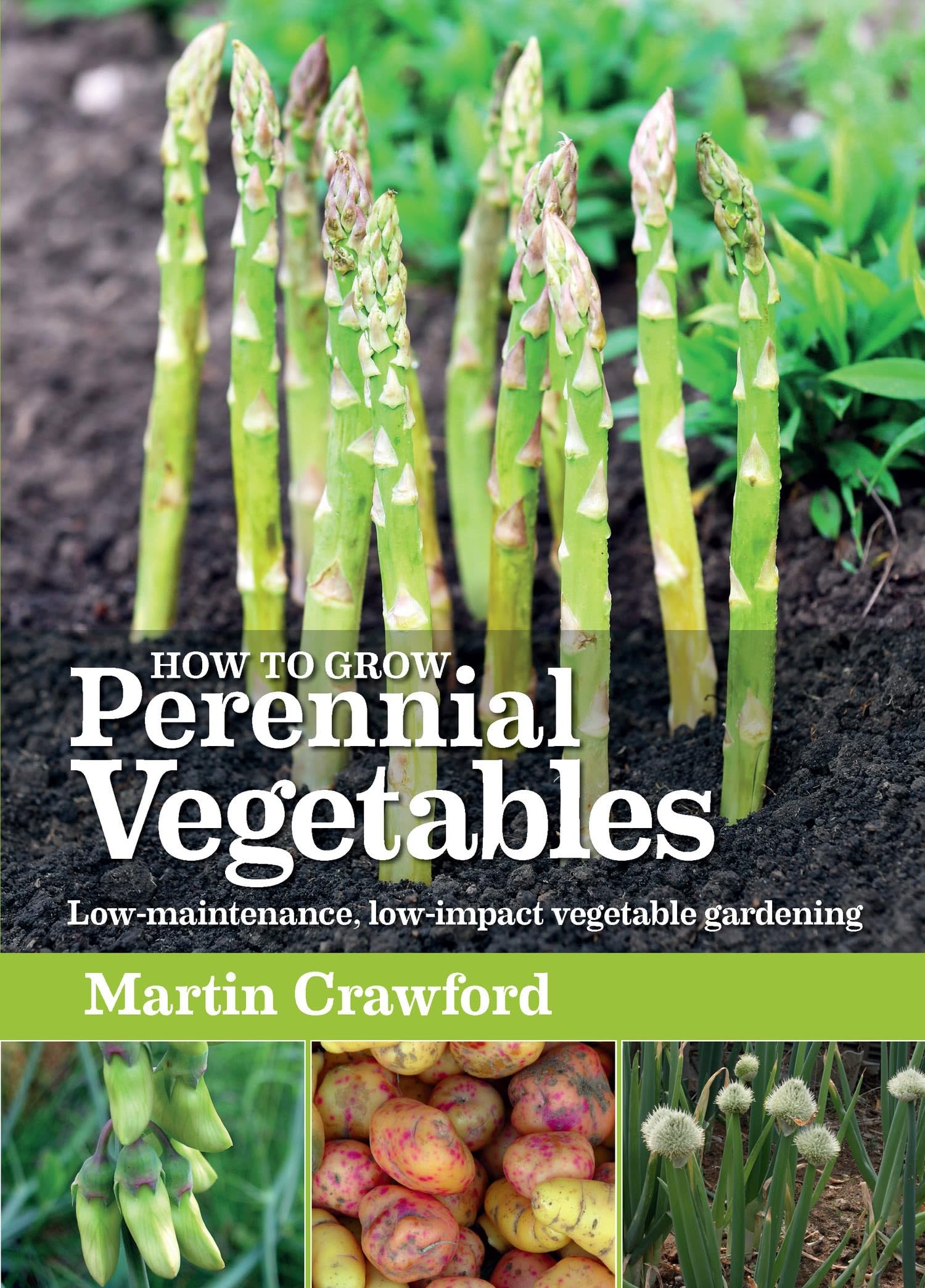
How to Grow Perennial Vegetables: Lowmaintenance, lowimpact vegetable gardening,Used
Sold by Ergodebooks, an authorized reseller.
Returns accepted within 30 days | support@ergodebooks.com
Shipping Information
- Free Standard Shipping — United States only
- Processing Time: 3–5 business days
- Estimated Delivery: 6–10 business days after dispatch
- Double-boxed, fully insured & discreetly packaged
- Tracking number sent via email once dispatched
Returns & Refund
Returns accepted within 30 days of delivery.
Damaged or Defective Item
Free return shipping + replacement or full refund
Wrong Item Received
Free return shipping + replacement or full refund
Change of Mind
Return shipping at customer's expense · 25% restocking fee applies
Payment Option

How to Grow Perennial Vegetables gives comprehensive advice on all types of perennial vegetables, from groundcover plants and coppiced trees to plants for bog gardens and edible woodland plants.Perennial vegetables are a joy to grow. Whereas traditional vegetable plots are largely made up of shortlived, annual vegetable plants, perennials are edible plants that live longer than three years. Grown as permaculture plants, they take up less of your time and effort than annual vegetables, and extend the harvesting season avoiding the hungry gap between the end of the winter harvest and the start of the summer harvest of annual vegetables.Unlike annual vegetables, perennials cover and protect the soil all year round, which maintains the structure of the soil and helps everything growing in it. Humous levels build up, nutrients don't wash out of the soil, and mycorrhizal fungi, critical for storing carbon within the soil, are preserved. Perennial plants also contain higher levels of mineral nutrients than annuals because they have larger, permanent root systems, capable of using space more efficientlyWritten by gardening expert Martin Crawford, this book gives comprehensive advice on how to grow and care for both common perennial vegetables like rhubarb, Jerusalem artichokes, horseradish and asparagus and unusual edible plants such as skirret, red chicory, nodding onions, Babington's leek, scorzonera, sea kale, wild rocket, coppiced trees and aquatic plants.With plenty of cooking tips, colour photographs and illustrations throughout and an AZ of over 100 perennial edibles, it is an inspiration for all gardeners.
⚠️ WARNING (California Proposition 65):
This product may contain chemicals known to the State of California to cause cancer, birth defects, or other reproductive harm.
For more information, please visit www.P65Warnings.ca.gov.