
Title
How to Read Buildings: A Crash Course in Architectural Styles,New
Sold by Ergodebooks, an authorized reseller.
Returns accepted within 30 days | support@ergodebooks.com
Shipping Information
- Free Standard Shipping — United States only
- Processing Time: 3–5 business days
- Estimated Delivery: 6–10 business days after dispatch
- Double-boxed, fully insured & discreetly packaged
- Tracking number sent via email once dispatched
Returns & Refund
Returns accepted within 30 days of delivery.
Damaged or Defective Item
Free return shipping + replacement or full refund
Wrong Item Received
Free return shipping + replacement or full refund
Change of Mind
Return shipping at customer's expense · 25% restocking fee applies
Payment Option

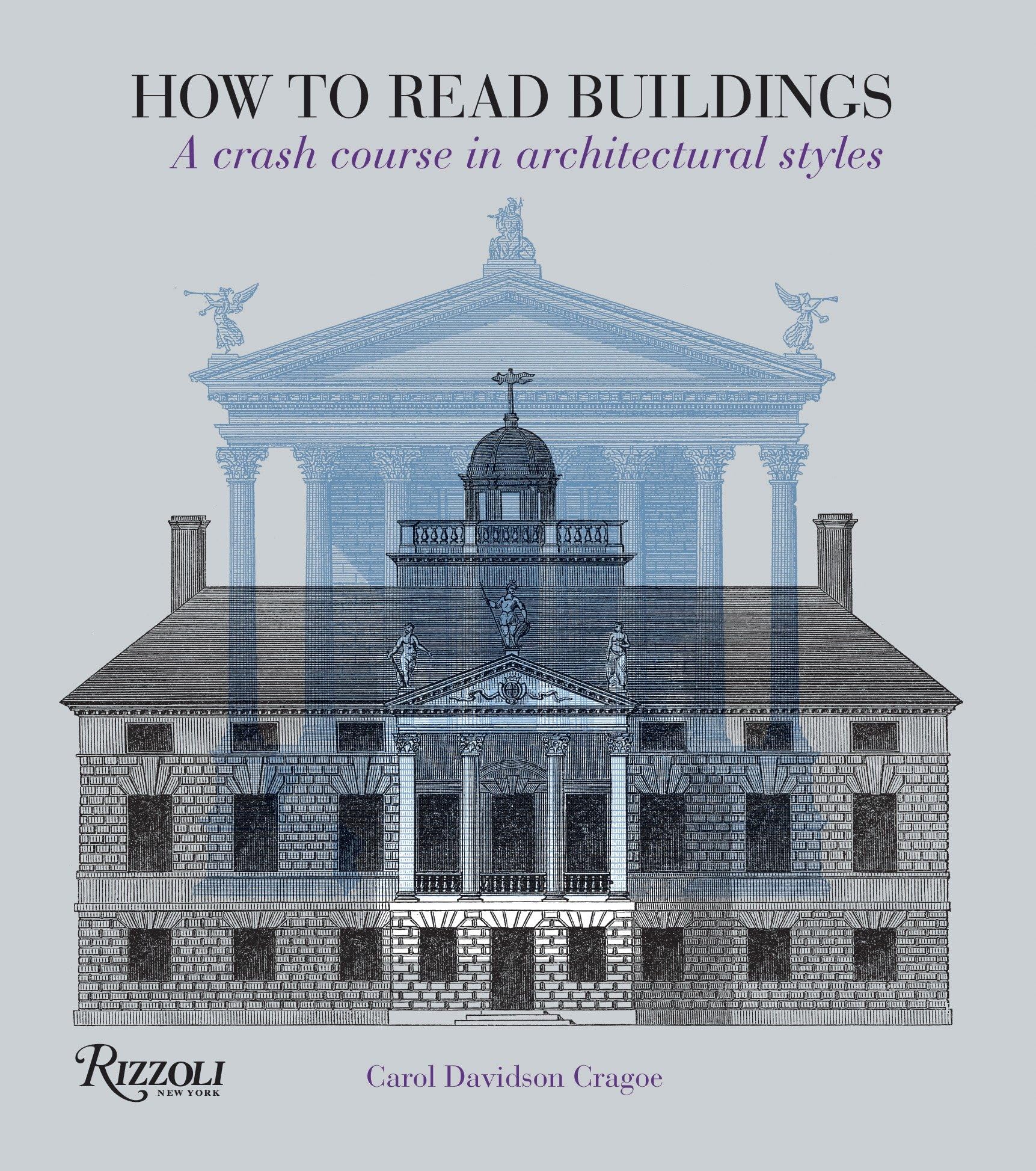
This practical primer is a handbook for decoding a buildings style, history, and evolution. Every building contains clues embedded in its design that identify not only its architectural style but also the story of who designed it, who it was built for, and why. Organized by architectural element (roofs, doors, windows, columns, domes, towers, arches, etc.), the book is roughly chronological within each section, examining the elements across history, through different architectural styles, and by geographical distribution. Additional chapters offer overviews of how architecture has been affected by geography, history, and religion, along with an illustrated timeline of architectural elements. Also included is a chapter on applied ornament and a handy introduction to naming each part of a building. All entries are accompanied by examples in the forms of period engravings, line drawings, and pictures. The extended captions make the book invaluable for anyone who has ever pondered the meaning or importance of a hipped roof, rounded doorway, or classical pediment.
⚠️ WARNING (California Proposition 65):
This product may contain chemicals known to the State of California to cause cancer, birth defects, or other reproductive harm.
For more information, please visit www.P65Warnings.ca.gov.
- Q: How many pages does this book have? A: This book has two hundred fifty-six pages. It covers various architectural styles and elements throughout history.
- Q: What are the dimensions of this book? A: The book measures five point thirty-one inches in length, zero point seventy-one inches in width, and six point forty-two inches in height.
- Q: What type of binding does this book have? A: This book has a paperback binding. This makes it convenient for casual reading and easy to handle.
- Q: Who are the authors of this book? A: The authors of this book are Davidson Cragoe and Carol. They provide insights into architectural styles and their evolution.
- Q: What is the main focus of this book? A: The main focus of this book is to decode a building's style, history, and evolution. It serves as a practical guide for architecture enthusiasts.
- Q: How do I use this book effectively? A: You can use this book as a reference guide to identify architectural styles. It's organized by elements like roofs and windows for easy navigation.
- Q: Is this book suitable for beginners in architecture? A: Yes, this book is suitable for beginners. It offers clear explanations and visual examples to help readers understand architectural concepts.
- Q: Can I use this book for academic studies? A: Yes, this book can be used for academic studies. Its detailed chapters and illustrated timeline make it a valuable resource for learning.
- Q: How should I store this book? A: You should store this book in a dry, cool place to preserve its condition. Avoid direct sunlight to prevent fading of the cover and pages.
- Q: What is the best way to clean this book? A: The best way to clean this book is by using a soft, dry cloth to wipe the cover. Avoid using water or cleaning solutions.
- Q: Is this book safe for children? A: While the book is not specifically targeted at children, it contains valuable information about buildings that can be educational. Parental guidance is recommended.
- Q: What if my book arrives damaged? A: If your book arrives damaged, you should contact the seller for a return or exchange. Most sellers have policies in place for such issues.
- Q: Does this book include illustrations? A: Yes, this book includes illustrations such as period engravings, line drawings, and pictures. These visuals enhance the understanding of architectural elements.
- Q: What architectural elements are covered in this book? A: The book covers various architectural elements like roofs, doors, windows, columns, domes, towers, and arches. Each element is examined across different styles.
- Q: Can I find historical context in this book? A: Yes, this book provides historical context related to architecture. It discusses how geography, history, and religion influenced architectural styles.
- Q: Is there a glossary of terms in this book? A: Yes, the book includes an introduction to naming each part of a building. This glossary aids readers in understanding architectural terminology.