
Title
How To Read Churches: A Crash Course In Ecclesiastical Architecture,New
Sold by Ergodebooks, an authorized reseller.
Returns accepted within 30 days | support@ergodebooks.com
Shipping Information
- Free Standard Shipping — United States only
- Processing Time: 3–5 business days
- Estimated Delivery: 6–10 business days after dispatch
- Double-boxed, fully insured & discreetly packaged
- Tracking number sent via email once dispatched
Returns & Refund
Returns accepted within 30 days of delivery.
Damaged or Defective Item
Free return shipping + replacement or full refund
Wrong Item Received
Free return shipping + replacement or full refund
Change of Mind
Return shipping at customer's expense · 25% restocking fee applies
Payment Option

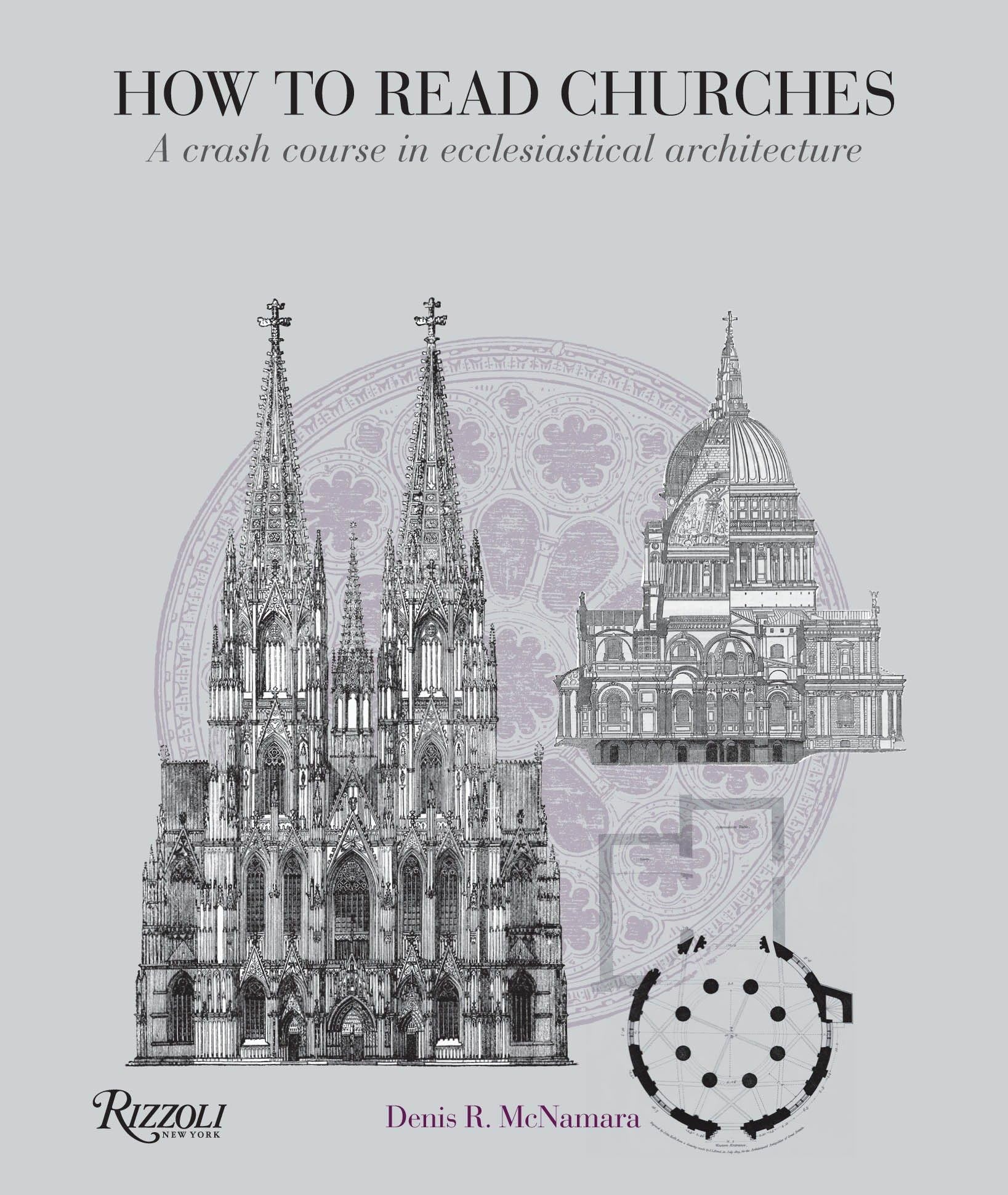
Small Enough To Fit In A Pocket Yet Serious Enough To Provide Real Answers, This Primer Is A Musthave For Architecture And History Buffs, Tourists, And Churchgoers Interested In Decoding The Styles And Symbols Of Religious Buildings. Every Building Contains Clues Embedded In Its Design That Identify Not Only Its Architectural Style But Also Who Designed It, What Kind Of Congregation It Was Built For, And Why. This Practical Yet Charming Handbook Is The Key To Decoding The Style, History, Evolution, And Social Significance Of Religious Buildings. Not Strictly Limited To Churches, It Also Covers Abbeys, Chapels, And Monasteries, Among Other Structures. Organized According To Architectural Element (Windows, Domes, Arches, Etc.), Each Element Is Presented In Chronological Order. Additional Chapters Explore The Architectural Influence Of Geography, History, And Various Creeds, Along With An Illustrated Timeline Showing How, Where, And In Many Cases Why Certain Church Features Evolved Through The Centuries. There Is Also A Useful Introduction To Naming Each Component Of A Church, From Vaults To Buttresses And Transepts To Apses. All Entries Are Illustrated With Period Engravings And Line Drawings. This Book Will Be Invaluable For Architecture Buffs And Anyone Who Has Ever Wondered Why Classic New England Churches Are White With Little Ornament, Why Quaker Meetinghouses Have No Altars, Or Why Episcopalians Traditionally Favored The Gothic Style.
⚠️ WARNING (California Proposition 65):
This product may contain chemicals known to the State of California to cause cancer, birth defects, or other reproductive harm.
For more information, please visit www.P65Warnings.ca.gov.
- Q: How many pages does this book have? A: This book contains two hundred fifty-six pages. It offers a comprehensive overview of ecclesiastical architecture.
- Q: What are the dimensions of this book? A: The book measures five point thirty-one inches in length, zero point seventy-one inches in width, and six point five inches in height. Its compact size makes it portable.
- Q: What type of binding does this book use? A: This book is available in paperback binding. This type of binding is lightweight and flexible, making it easy to carry.
- Q: Who is the author of this book? A: The author of this book is Denis R. McNamara. He is known for his expertise in architecture and religious buildings.
- Q: What is the genre of this book? A: This book falls under the genre of architecture and religious buildings. It focuses on the styles and symbols of ecclesiastical structures.
- Q: Is this book suitable for beginners? A: Yes, this book is suitable for beginners. It serves as a primer for those interested in understanding ecclesiastical architecture.
- Q: How can I use this book effectively? A: You can use this book as a guide to decode architectural features of religious buildings. It provides insights into styles, history, and significance.
- Q: Is this book appropriate for tourists? A: Yes, this book is appropriate for tourists. It helps visitors appreciate and understand the architectural elements of churches and other religious buildings.
- Q: Can this book help with learning about historical architecture? A: Yes, this book offers valuable information about historical architecture. It explores the evolution of ecclesiastical structures through time.
- Q: How do I care for this book? A: To care for this book, store it in a cool, dry place away from direct sunlight. This will help preserve its condition over time.
- Q: Is there any special handling required for this book? A: No special handling is required for this book. Simply treat it gently to maintain its pages and binding.
- Q: Can I easily transport this book? A: Yes, you can easily transport this book due to its compact size. It can fit comfortably in a pocket or bag.
- Q: What if the book arrives damaged? A: If the book arrives damaged, you should contact the seller for a return or replacement. Most sellers have policies in place for such issues.
- Q: Does this book include illustrations? A: Yes, this book includes illustrations such as period engravings and line drawings. These visuals enhance the understanding of architectural features.
- Q: Is this book suitable for architecture students? A: Yes, this book is suitable for architecture students. It offers foundational knowledge that can complement their studies.
- Q: What is the publication brand of this book? A: The publisher of this book is Rizzoli International Publications. They are known for quality publications in arts and architecture.