
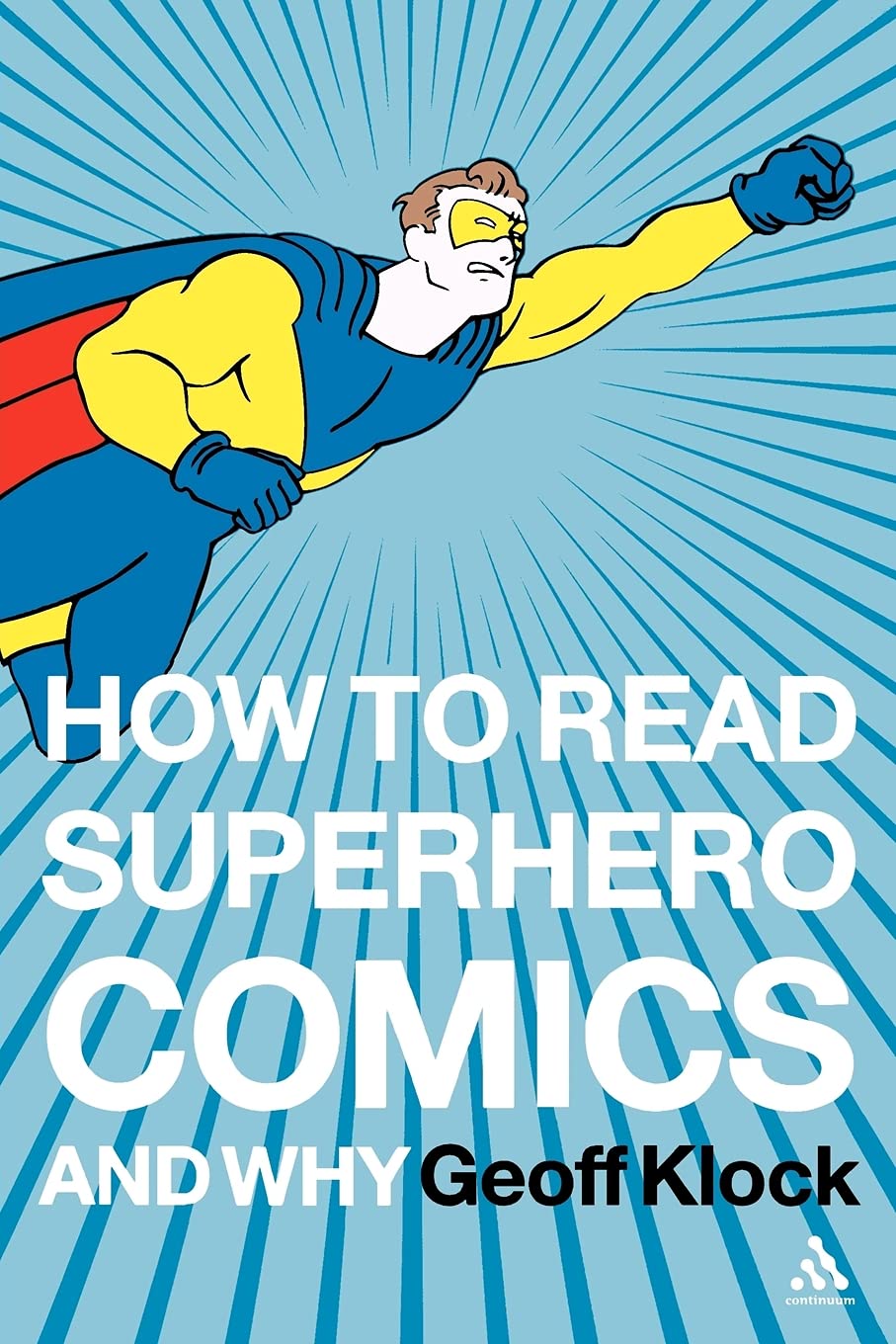
Title
How To Read Superhero Comics And Why,Used
Sold by Ergodebooks, an authorized reseller.
Returns accepted within 30 days | support@ergodebooks.com
Shipping Information
- Free Standard Shipping — United States only
- Processing Time: 3–5 business days
- Estimated Delivery: 6–10 business days after dispatch
- Double-boxed, fully insured & discreetly packaged
- Tracking number sent via email once dispatched
Returns & Refund
Returns accepted within 30 days of delivery.
Damaged or Defective Item
Free return shipping + replacement or full refund
Wrong Item Received
Free return shipping + replacement or full refund
Change of Mind
Return shipping at customer's expense · 25% restocking fee applies
Payment Option

Superhero Comic Books Are Traditionally Thought To Have Two Distinct Periods, Two Major Waves Of Creativity: The Golden Age And The Silver Age. In Simple Terms, The Golden Age Was The Birth Of The Superhero Proper Out Of The Pulp Novel Characters Of The Early 1930S, And Was Primarily Associated With The Dc Comics Group. Superman, Batman, Green Lantern, And Wonder Woman Are The Most Famous Creations Of This Period. In The Early 1960S, Marvel Comics Launched A Completely New Line Of Heroes, The Primary Figures Of The Silver Age: The Fantastic Four, Spiderman, The Incredible Hulk, The Xmen, The Avengers, Iron Man, And Daredevil.In This Book, Geoff Klock Presents A Study Of The Third Movement Of Superhero Comic Books. He Avoids, At All Costs, The Temptation To Refer To This Movement As 'Postmodern,' 'Deconstructionist,' Or Something Equally Tedious. Analyzing The Works Of Frank Miller, Alan Moore, Warren Ellis, And Grant Morrison Among Others, And Taking His Cue From Harold Bloom, Klock Unearths The Birth Of Selfconsciousness In The Superhero Narrative And Guides Us Through An Intricate World Of Traditions, Influences, Nostalgia And Innovations A World Where Comic Books Do Indeed Become Literature.
⚠️ WARNING (California Proposition 65):
This product may contain chemicals known to the State of California to cause cancer, birth defects, or other reproductive harm.
For more information, please visit www.P65Warnings.ca.gov.
- Q: How many pages are in 'How to Read Superhero Comics and Why'? A: This book contains two hundred sixteen pages. It offers an extensive analysis of superhero comics across different eras.
- Q: What is the binding type of this book? A: The book is a paperback. This makes it lightweight and portable, ideal for casual reading.
- Q: What are the dimensions of this book? A: The book measures six inches in length, zero point five one inches in width, and nine point zero two inches in height. These dimensions make it easy to handle and store.
- Q: Who is the author of 'How to Read Superhero Comics and Why'? A: The author is Geoff Klock. He provides a deep dive into the evolution of superhero comics and their narratives.
- Q: What genre does this book belong to? A: This book falls under the category of History and Price Guides. It explores the historical context and development of superhero comics.
- Q: Is this book suitable for all ages? A: Yes, the book is generally suitable for all ages. However, it is more appropriate for readers interested in comic book history and analysis.
- Q: What themes are explored in this book? A: The book delves into themes like self-consciousness in superhero narratives, traditions, and influences in comic storytelling. It provides a scholarly perspective on the genre.
- Q: How can I apply the insights from this book? A: You can use the insights to better understand superhero comics and their cultural significance. It aids both casual readers and scholars in appreciating the genre.
- Q: What should I do to keep this book in good condition? A: To keep the book in good condition, store it in a dry, cool place away from direct sunlight. Avoid bending or creasing the pages.
- Q: Can I return this book if I don't like it? A: Yes, you can typically return the book if it is in original condition. Check the return policy of the seller for specific details.
- Q: What if the book arrives damaged? A: If the book arrives damaged, you should report it to the seller immediately. Most sellers will offer a replacement or refund.
- Q: How does this book compare to other superhero comics analyses? A: This book provides a unique scholarly perspective that sets it apart from other analyses. It focuses on the evolution of comic narratives.
- Q: Is there any specific audience for this book? A: Yes, it primarily targets readers interested in comic book history, literary analysis, and fans of superhero narratives.
- Q: What can I learn about superhero comics from this book? A: You will learn about the historical development, key figures, and narrative evolution of superhero comics. It provides a comprehensive overview of the genre.
- Q: How does the author analyze superhero comics? A: The author analyzes superhero comics through the lens of literary theory, focusing on self-consciousness and narrative structures. He references influential writers and works.
- Q: Are there any illustrations in the book? A: No, the book primarily contains text and analysis without illustrations. It emphasizes scholarly commentary over visual content.