
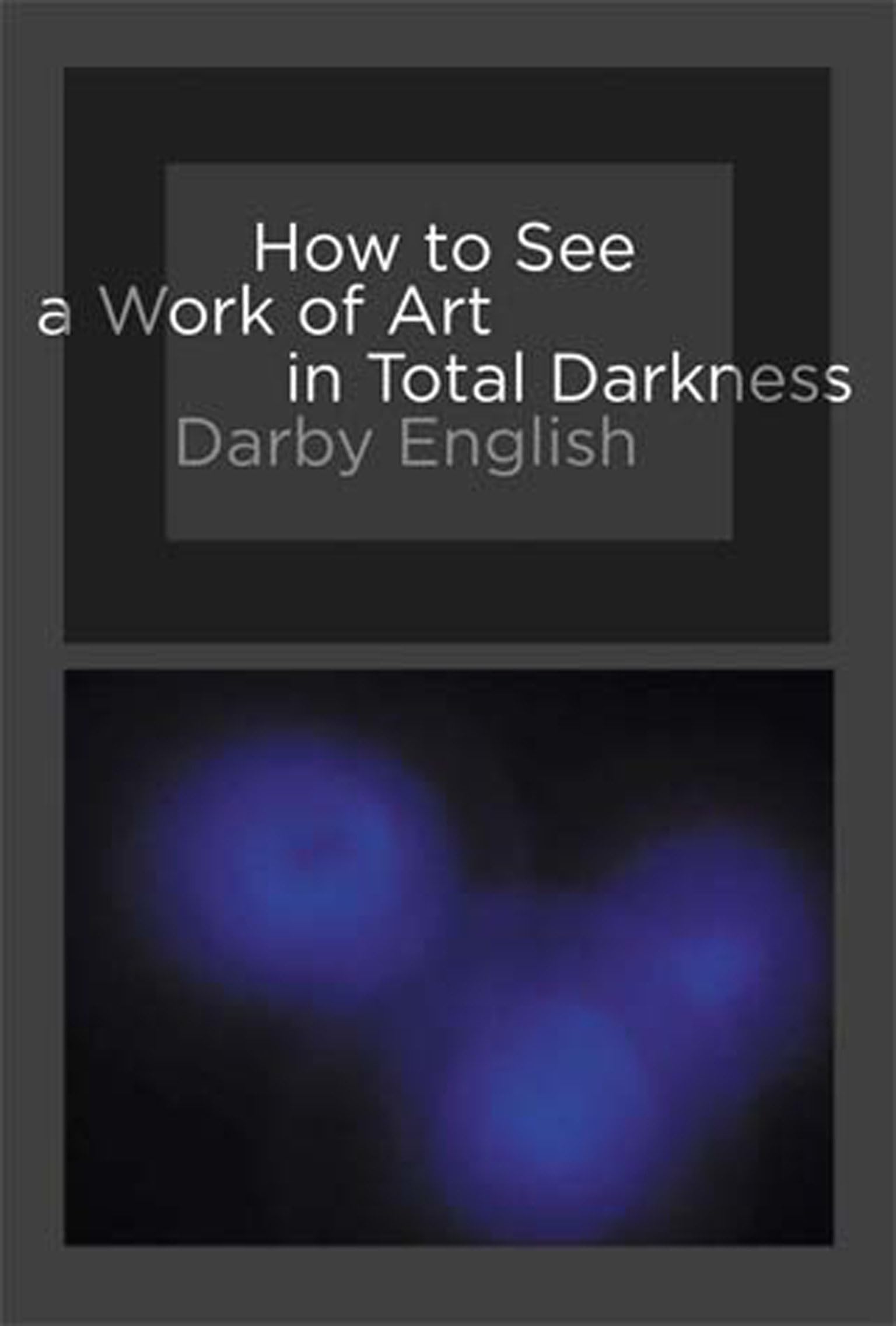
Title
How To See A Work Of Art In Total Darkness,New
Processing time: 1-3 days
US Orders Ships in: 3-5 days
International Orders Ships in: 8-12 days
Return Policy: 15-days return on defective items
Payment Option

Going Beyond The 'Blackness' Of Black Art To Examine The Integrative And Interdisciplinary Practices Of Kara Walker, Fred Wilson, Isaac Julien, Glenn Ligon, And William Pope.Lfive Contemporary Black Artists In Whose Work Race Plays Anything But A Defining Role.Work By Black Artists Today Is Almost Uniformly Understood In Terms Of Its 'Blackness,' With Audiences Often Expecting Or Requiring It To 'Represent' The Race. In How To See A Work Of Art In Total Darkness, Darby English Shows How Severely Such Expectations Limit The Scope Of Our Knowledge About This Work And How Different It Looks When Approached On Its Own Terms. Refusing To Grant Racial Blacknesshis Metaphorical 'Total Darkness'Primacy Over His Subjects' Other Concerns And Contexts, He Brings To Light Problems And Possibilities That Arise When Questions Of Artistic Priority And Freedom Come Into Contact, Or Even Conflict, With Those Of Cultural Obligation. English Examines The Integrative And Interdisciplinary Strategies Of Five Contemporary Artistskara Walker, Fred Wilson, Isaac Julien, Glenn Ligon, And William Pope.Lstressing The Ways In Which This Work At Once Reflects And Alters Our View Of Its Informing Context: The Advent Of Postmodernity In Late Twentiethcentury American Art And Culture.The Necessity For 'Black Art' Comes Both From Antiblack Racism And Resistances To It, From Both Segregation And Efforts To Imagine An Autonomous Domain Of Black Culture. Yet To Judge By The Work Of Many Contemporary Practitioners, English Writes, Black Art Is Increasingly Less Ableand Black Artists Less Willingto Maintain Its Standing As A Realm Apart. Through Close Examinations Of Walker'S Controversial Silhouettes' Insubordinate Reply To Pictorial Tradition, Wilson'S And Julien'S Distinct Approaches To Institutional Critique, Ligon'S Text Paintings' Struggle With Modernisms, And Pope.L'S Vexing Performance Interventions, English Grounds His Contention That To Understand This Work Is To Displace Race From Its Central Location In Our Interpretation And To Grant Right Of Way To The Work'S Historical, Cultural, And Aesthetic Specificity.
⚠️ WARNING (California Proposition 65):
This product may contain chemicals known to the State of California to cause cancer, birth defects, or other reproductive harm.
For more information, please visit www.P65Warnings.ca.gov.
- Q: What is the page count of the book? A: The book contains three hundred eighty-six pages. This provides a comprehensive exploration of the themes discussed by the author.
- Q: What are the dimensions of this book? A: The book measures six inches in length, zero point eight seven inches in width, and nine point zero two inches in height. These dimensions make it easy to handle and read.
- Q: What type of binding does this book have? A: This book is paperback bound. This binding style offers flexibility and is lightweight for easy transport.
- Q: Who is the author of this book? A: The author is Darby English. He provides insightful analysis on contemporary black artists and their work.
- Q: What genre does this book belong to? A: This book falls under the category of art criticism and cultural studies. It examines race and artistic expression in contemporary art.
- Q: Is this book suitable for academic study? A: Yes, this book is suitable for academic study. Its in-depth analysis of race and art makes it valuable for students and scholars.
- Q: How do I approach reading this book? A: To best understand this book, read it with an open mind regarding the themes of race and art. Engaging with the text critically will enhance your comprehension.
- Q: Is this book appropriate for young readers? A: No, this book is not specifically designed for young readers. It discusses complex themes that may be more suitable for mature audiences.
- Q: Can this book be used in art history courses? A: Yes, this book can be used in art history courses. It provides context to contemporary black art and its significance in the broader art narrative.
- Q: How should I store this book to maintain its condition? A: Store this book in a dry, cool place away from direct sunlight. Keeping it upright on a shelf will help maintain its shape.
- Q: What care is needed for the paperback binding? A: To care for the paperback binding, avoid bending or folding the covers. Handle the book gently to prevent wear.
- Q: Is this book easy to read and understand? A: Yes, the book is written in a clear and engaging manner. While it tackles complex themes, the author communicates effectively.
- Q: What if I receive a damaged copy of the book? A: If you receive a damaged copy, contact the seller for a return or replacement. Most sellers have policies in place to address such issues.
- Q: Are there any illustrations or images in the book? A: No, this book does not contain illustrations or images. It focuses on textual analysis and critical discussions.
- Q: Is this book part of a series? A: No, this book is not part of a series. It stands alone in its discussion of contemporary black artists.