
Title
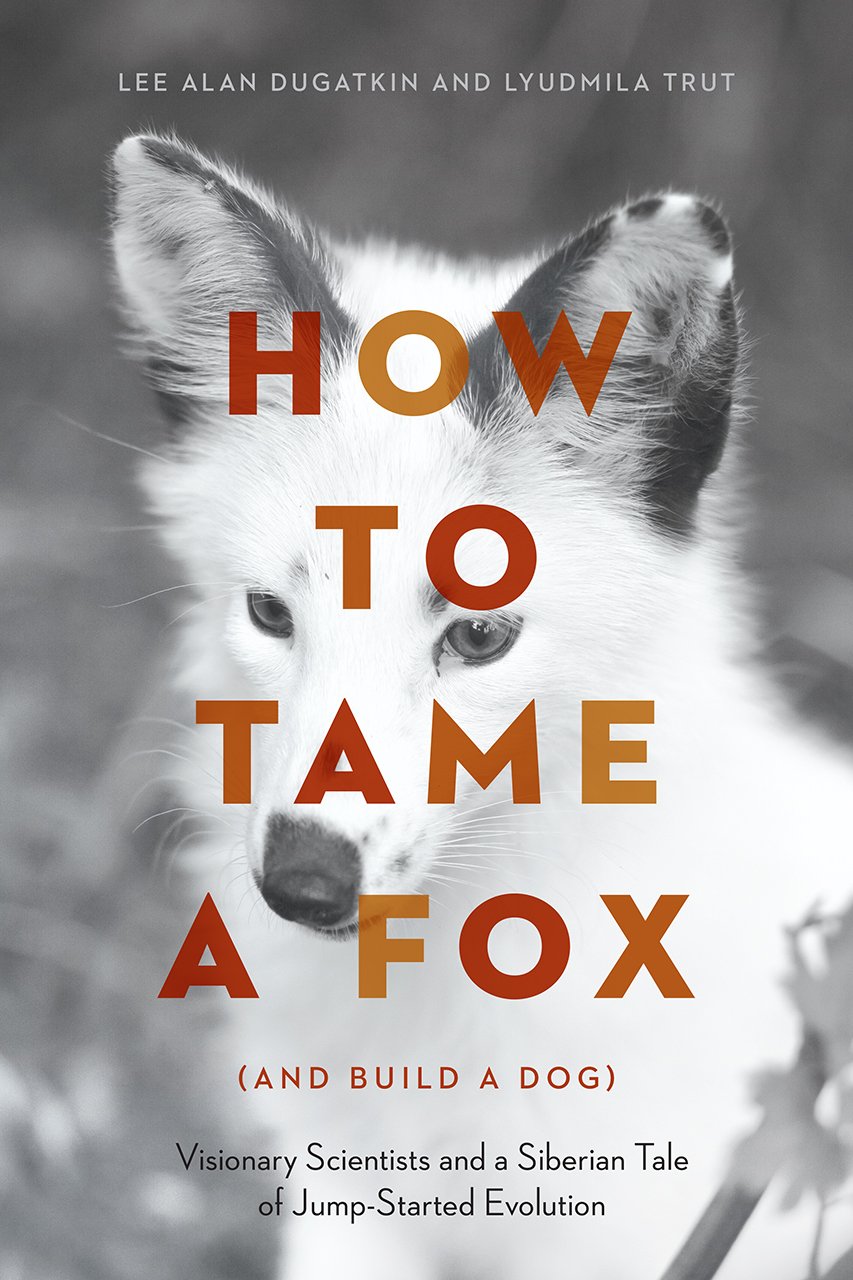
How To Tame A Fox (And Build A Dog): Visionary Scientists And A Siberian Tale Of Jumpstarted Evolution,Used
Sold by Ergodebooks, an authorized reseller.
Returns accepted within 30 days | support@ergodebooks.com
Shipping Information
- Free Standard Shipping — United States only
- Processing Time: 3–5 business days
- Estimated Delivery: 6–10 business days after dispatch
- Double-boxed, fully insured & discreetly packaged
- Tracking number sent via email once dispatched
Returns & Refund
Returns accepted within 30 days of delivery.
Damaged or Defective Item
Free return shipping + replacement or full refund
Wrong Item Received
Free return shipping + replacement or full refund
Change of Mind
Return shipping at customer's expense · 25% restocking fee applies
Payment Option

Tucked Away In Siberia, There Are Furry, Fourlegged Creatures With Wagging Tails And Floppy Ears That Are As Docile And Friendly As Any Lapdog. But, Despite Appearances, These Are Not Dogsthey Are Foxes. They Are The Result Of The Most Astonishing Experiment In Breeding Ever Undertakenimagine Speeding Up Thousands Of Years Of Evolution Into A Few Decades. In 1959, Biologists Dmitri Belyaev And Lyudmila Trut Set Out To Do Just That, By Starting With A Few Dozen Silver Foxes From Fox Farms In The Ussr And Attempting To Recreate The Evolution Of Wolves Into Dogs In Real Time In Order To Witness The Process Of Domestication. This Is The Extraordinary, Untold Story Of This Remarkable Undertaking.Most Accounts Of The Natural Evolution Of Wolves Place It Over A Span Of About 15,000 Years, But Within A Decade, Belyaev And Truts Fox Breeding Experiments Had Resulted In Puppylike Foxes With Floppy Ears, Piebald Spots, And Curly Tails. Along With These Physical Changes Came Genetic And Behavioral Changes, As Well. The Foxes Were Bred Using Selection Criteria For Tameness, And With Each Generation, They Became Increasingly Interested In Human Companionship. Trut Has Been There The Whole Time, And Has Been The Lead Scientist On This Work Since Belyaevs Death In 1985, And With Lee Dugatkin, Biologist And Science Writer, She Tells The Story Of The Adventure, Science, Politics, And Love Behind It All. In How To Tame A Fox, Dugatkin And Trut Take Us Inside This Pathbreaking Experiment In The Midst Of The Brutal Winters Of Siberia To Reveal How Scientific History Is Made And Continues To Be Made Today.To Date, Fiftysix Generations Of Foxes Have Been Domesticated, And We Continue To Learn Significant Lessons From Them About The Genetic And Behavioral Evolution Of Domesticated Animals. How To Tame A Fox Offers An Incredible Tale Of Scientists At Work, While Also Celebrating The Deep Attachments That Have Brought Humans And Animals Together Throughout Time.
⚠️ WARNING (California Proposition 65):
This product may contain chemicals known to the State of California to cause cancer, birth defects, or other reproductive harm.
For more information, please visit www.P65Warnings.ca.gov.
- Q: How many pages does this book have? A: This book contains two hundred forty pages. It provides a comprehensive exploration of the fascinating experiment involving the domestication of foxes.
- Q: What is the binding type of this book? A: The book is a hardcover edition. This makes it durable and suitable for frequent handling.
- Q: What are the dimensions of the book? A: The book measures nine point one inches in length, six point two inches in width, and zero point eight inches in height. These dimensions make it a manageable size for reading.
- Q: Who is the author of this book? A: The author is Lee Alan Dugatkin. He collaborates with Lyudmila Trut, a lead scientist in the fox domestication experiment.
- Q: What genre does this book belong to? A: This book falls under the category of science and natural history. It blends storytelling with scientific insights.
- Q: Is this book suitable for children? A: Yes, the book is suitable for older children and young adults. It presents complex scientific concepts in an engaging manner.
- Q: How should I care for this book? A: To keep this book in good condition, store it upright on a shelf. Avoid exposure to moisture and direct sunlight.
- Q: Can I read this book outdoors? A: Yes, you can read this book outdoors. Just ensure it is kept dry and away from harsh weather conditions.
- Q: Is this book safe for younger audiences? A: Yes, but parental guidance is recommended for younger readers. The content discusses scientific experiments that may require explanation.
- Q: What if the book arrives damaged? A: If the book arrives damaged, you can return it for a replacement. Check the seller's return policy for specific instructions.
- Q: Does this book include illustrations or diagrams? A: No, this book primarily consists of text. It focuses on narratives and scientific explanations rather than visual aids.
- Q: How long does it take to read this book? A: It typically takes about five to seven hours to read this book. This depends on individual reading speed.
- Q: What kind of topics does this book cover? A: The book covers topics related to evolution, domestication, and the scientific method. It provides insights into both biology and history.
- Q: Is this book part of a series? A: No, this book is a standalone title. It does not belong to a series but offers a comprehensive look at a unique topic.
- Q: Who published this book? A: The book is published by the University of Chicago Press. This publisher is known for its academic and scholarly works.