
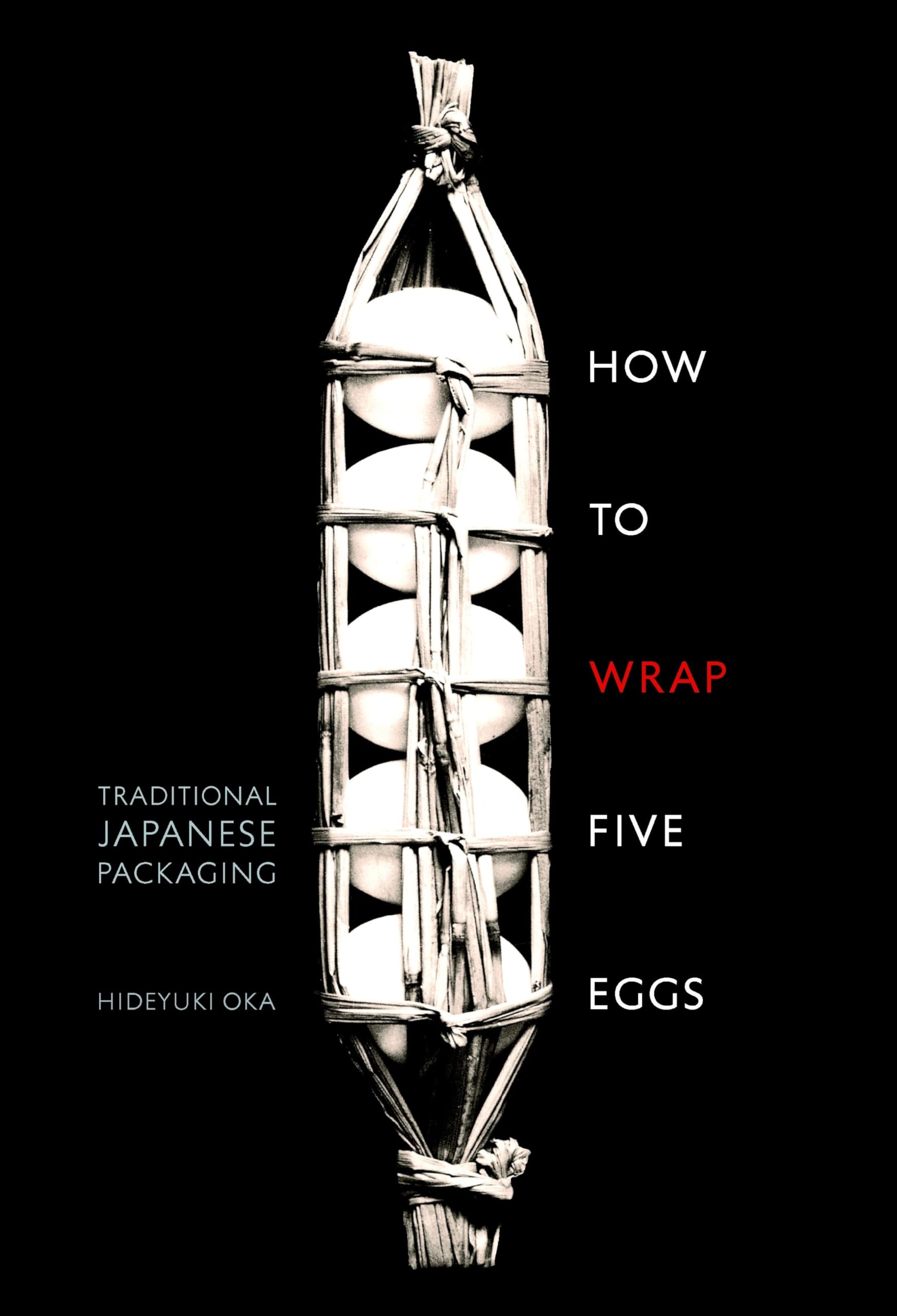
Title
How to Wrap Five Eggs: Traditional Japanese Packaging,Used
Sold by Ergodebooks, an authorized reseller.
Returns accepted within 30 days | support@ergodebooks.com
Shipping Information
- Free Standard Shipping — United States only
- Processing Time: 3–5 business days
- Estimated Delivery: 6–10 business days after dispatch
- Double-boxed, fully insured & discreetly packaged
- Tracking number sent via email once dispatched
Returns & Refund
Returns accepted within 30 days of delivery.
Damaged or Defective Item
Free return shipping + replacement or full refund
Wrong Item Received
Free return shipping + replacement or full refund
Change of Mind
Return shipping at customer's expense · 25% restocking fee applies
Payment Option

Traditional Japanese packaging is an art form that applies sophisticated design and natural aesthetics to simple objects. In this elegant presentation of the baskets, boxes, wrappers, and containers that were used in ordinary, daytoday life, we are offered a stunning example of a time before mass production. Largely constructed of bamboo, rice straw, hemp twine, paper, and leaves, all of the objects shown here are made from natural materials. Through 221 blackandwhite photographs of authentic examples of traditional Japanese packagingwith commentary on the origins, materials, and use of each piecethe items here offer a look into a lost art, while also reminding us of the connection to nature and the human imprint of handwork that was once so alive and vibrant in our everyday lives. This classic book was originally published under the title How to Wrap Five More Eggs in 1975.The eminent American designer George Nelson praised the work featured here, saying, We have come a long, long way from the kind of thing so beautifully presented in this book. To suit the needs of super mass production, the traditional natural materials are too obstreperous . . . and one by one we have replaced them with the docile, predicable synthetics. . . . What we have gained from these [new] materials and wonderfully complicated processes to make up for the general pollution, rush, crowding, noise, sickness, and slickness is a subject for other forums. But what we have lost for sure is what this book is all about: a oncecommon sense of fitness in the relationships between hand, material, use, and shape, and above all, a sense of delight in the look and feel of very ordinary, humble things. This book is thus . . . a totally unexpected monument to a culture, a way of life, a universal sensibility carried through all objects down to the smallest, most inconsequential, and ephemeral things.Now, over thirty years later, this revived classic on the art of traditional Japanese packing may leave us with the same response, and the same appreciation for the natural and utile packaging presented in this book.
⚠️ WARNING (California Proposition 65):
This product may contain chemicals known to the State of California to cause cancer, birth defects, or other reproductive harm.
For more information, please visit www.P65Warnings.ca.gov.
- Q: What is 'How to Wrap Five Eggs: Traditional Japanese Packaging' about? A: This book explores the art of traditional Japanese packaging, showcasing sophisticated designs and natural aesthetics applied to everyday objects. It features 221 black-and-white photographs of authentic packaging examples made from natural materials.
- Q: Who is the author of this book? A: The author of 'How to Wrap Five Eggs: Traditional Japanese Packaging' is Hideyuki Oka.
- Q: When was this book published? A: The book was published on October 14, 2008.
- Q: What materials are discussed in the book? A: The book highlights packaging made from bamboo, rice straw, hemp twine, paper, and leaves, all of which are natural materials.
- Q: How many pages does this book have? A: The book contains 224 pages.
- Q: What is the condition of the book? A: The book is in new condition.
- Q: What type of binding does this book have? A: This book is available in paperback binding.
- Q: Is this book suitable for someone interested in design? A: Yes, this book is ideal for individuals interested in design, particularly those who appreciate traditional craftsmanship and natural materials.
- Q: What is the significance of the title, 'How to Wrap Five Eggs'? A: The title reflects the traditional Japanese technique of wrapping fragile items, emphasizing the artistry and care involved in packaging.
- Q: Can this book provide inspiration for sustainable packaging? A: Absolutely, the book showcases natural packaging solutions that can inspire sustainable practices and a deeper appreciation for the relationship between materials and design.