
Title
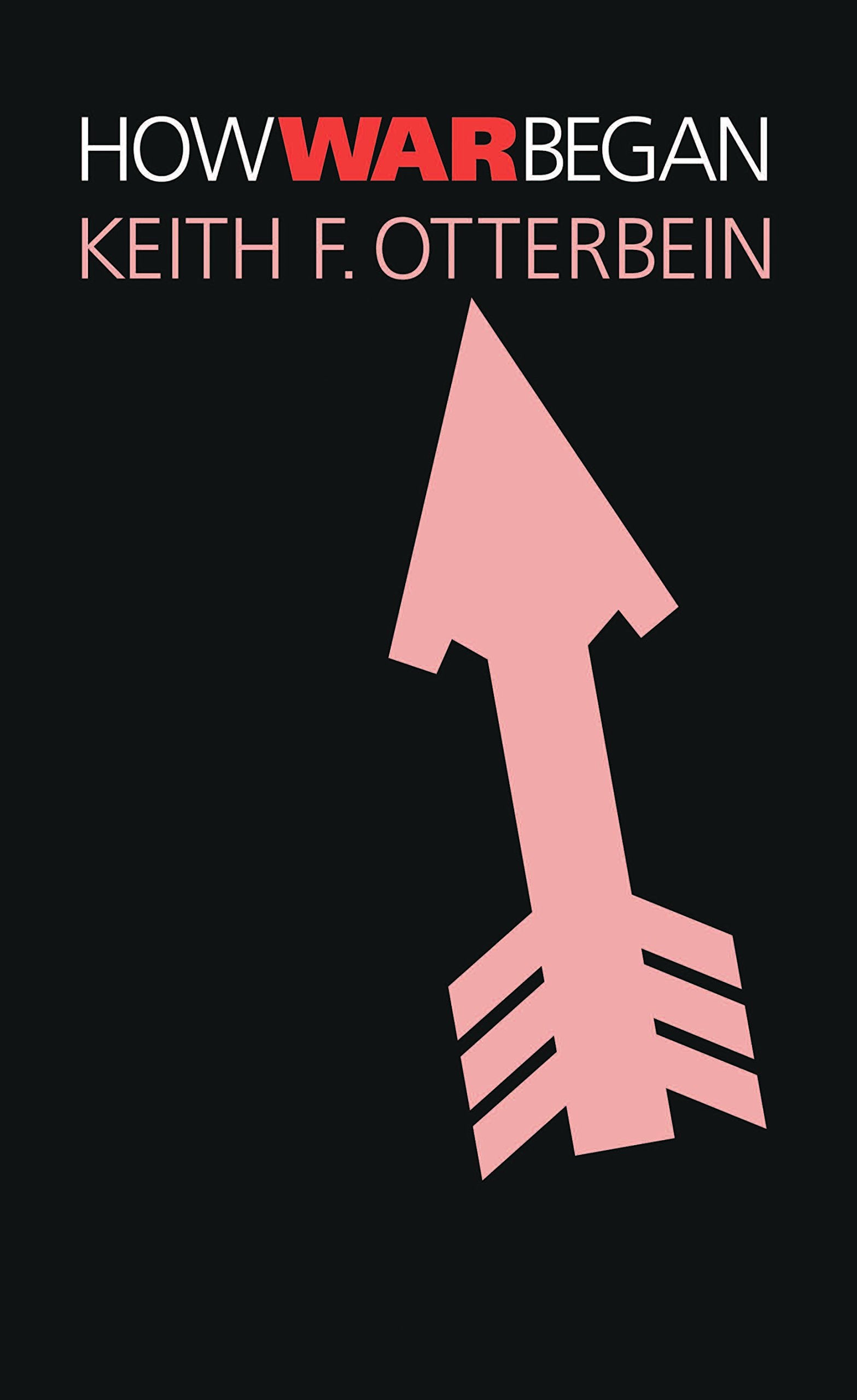
How War Began (Volume 10) (Texas A&M University Anthropology Series),Used
Sold by Ergodebooks, an authorized reseller.
Returns accepted within 30 days | support@ergodebooks.com
Shipping Information
- Free Standard Shipping — United States only
- Processing Time: 3–5 business days
- Estimated Delivery: 6–10 business days after dispatch
- Double-boxed, fully insured & discreetly packaged
- Tracking number sent via email once dispatched
Returns & Refund
Returns accepted within 30 days of delivery.
Damaged or Defective Item
Free return shipping + replacement or full refund
Wrong Item Received
Free return shipping + replacement or full refund
Change of Mind
Return shipping at customer's expense · 25% restocking fee applies
Payment Option

Have humans always fought and killed each other, or did they peacefully coexist until states developed? Is war an expression of human nature or an artifact of civilization? Questions about the origin and inherent motivations of warfare have long engaged philosophers, ethicists, anthropologists as they speculate on the nature of human existence. In How War Began, author Keith F. Otterbein draws on primate behavior research, archaeological research, data gathered from the Human Relations Area Files, and a career spent in research and reflection on war to argue for two separate origins. He identifies two types of military organization: one which developed two million years ago at the dawn of humankind, wherever groups of hunters met, and a second which developed some five thousand years ago, in four identifiable regions, when the first states arose and proceeded to embark upon military conquests. In carefully selected detail, Otterbein marshals the evidence for his case that warfare was possible and likely among early Homo sapiens. He argues from analogy with other primates, from Paleolithic rock art depicting wounded humans, and from rare skeletal remains with embedded weapon points to conclude that warfare existed and reached a peak in big game hunting societies. As the big game disappeared, so did warfareonly to reemerge once agricultural societies achieved a degree of political complexity that allowed the development of professional military organizations. Otterbein concludes his survey with an analysis of how despotism in both ancient and modern states spawns warfare. A definitive resource for anthropologists, social scientists and historians, How War Began is written for all who are interested in warfare and individuals who seek to understand the past and the present of humankind.
⚠️ WARNING (California Proposition 65):
This product may contain chemicals known to the State of California to cause cancer, birth defects, or other reproductive harm.
For more information, please visit www.P65Warnings.ca.gov.