
Title
How Writing Made Us Human, 3000 Bce To Now (Information Cultures),New
Sold by Ergodebooks, an authorized reseller.
Returns accepted within 30 days | support@ergodebooks.com
Shipping Information
- Free Standard Shipping — United States only
- Processing Time: 3–5 business days
- Estimated Delivery: 6–10 business days after dispatch
- Double-boxed, fully insured & discreetly packaged
- Tracking number sent via email once dispatched
Returns & Refund
Returns accepted within 30 days of delivery.
Damaged or Defective Item
Free return shipping + replacement or full refund
Wrong Item Received
Free return shipping + replacement or full refund
Change of Mind
Return shipping at customer's expense · 25% restocking fee applies
Payment Option

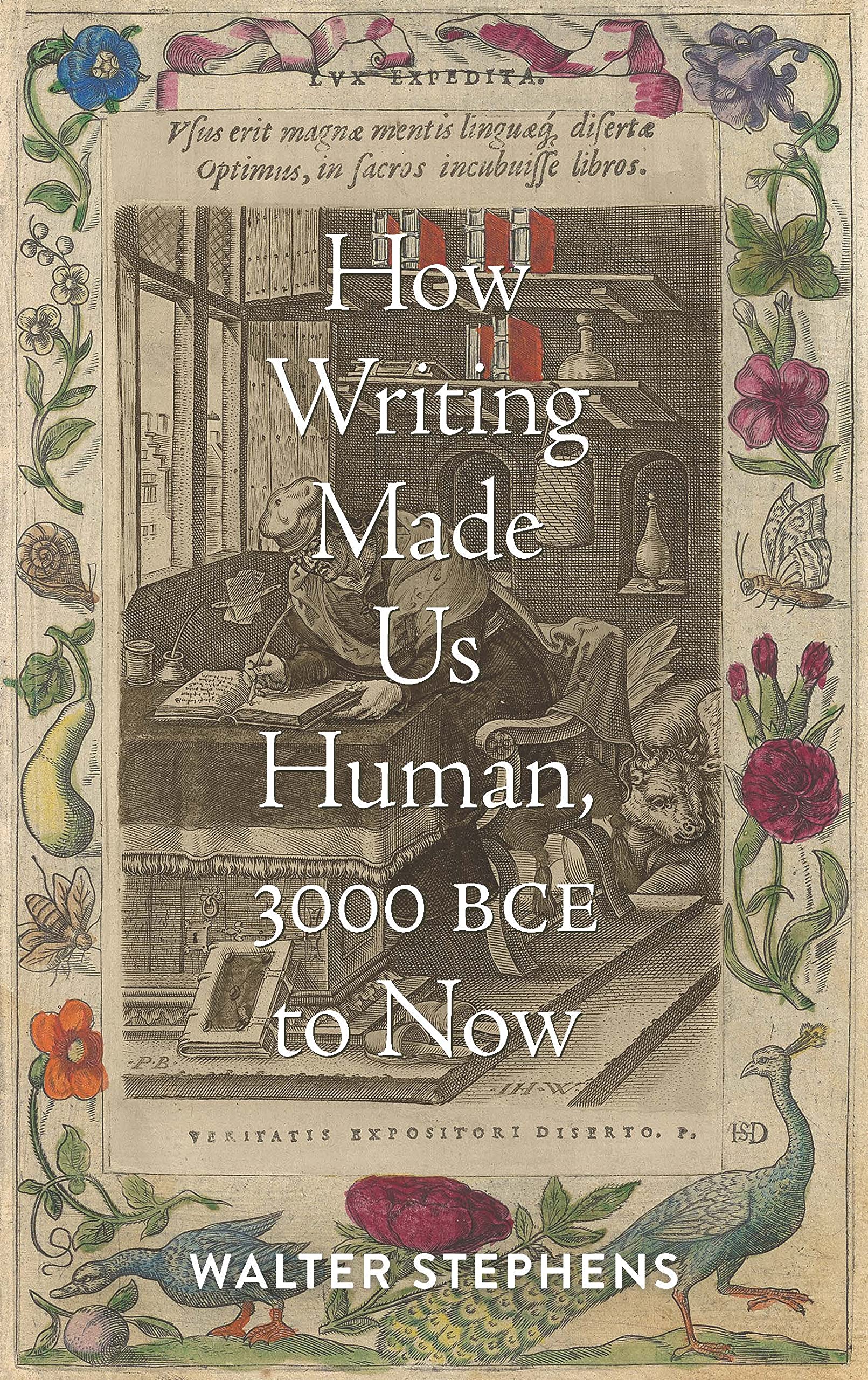
A sweeping history of how writing has preserved cultural practices, traditions, and knowledge throughout human history.In How Writing Made Us Human, 3000 BCE to Now, Walter Stephens condenses the massive history of the written word into an accessible, engaging narrative. The history of writing is not merely a record of technical innovationsfrom hieroglyphics to computersbut something far richer: a chronicle of emotional engagement with written culture whose long arc intimates why the humanities are crucial to society.For five millennia, myths and legends provided fascinating explanations for the origins and uses of writing. These stories overflowed with enthusiasm about fabled personalities (both human and divine) and their adventures with capturing speech and preserving memory. Stories recounted how and why an ancient Sumerian king, a contemporary of Gilgamesh, invented the cuneiform writing systemor alternatively, how the earliest Mesopotamians learned everything from a hybrid manfish. For centuries, Jews and Christians debated whether Moses or God first wrote the Ten Commandments. Throughout history, some myths of writing were literary fictions. Plato's tale of Atlantis supposedly emerged from a vast Egyptian archive of world history. Dante's vision of God as one infinite book inspired Borges's fantasy of the cosmos as a limitless library, while the nineteenth century bequeathed Mary Shelley's apocalyptic tale of a world left with innumerable books but only one surviving reader.Stephens presents a comprehensive history of the written word and demonstrates how writing has preserved and shaped human life since the Bronze Age. These stories, their creators, and their preservation have inspired wonder and an endless appetite for historical revelation.
⚠️ WARNING (California Proposition 65):
This product may contain chemicals known to the State of California to cause cancer, birth defects, or other reproductive harm.
For more information, please visit www.P65Warnings.ca.gov.