If you have any questions, you are always welcome to contact us. We'll get back to you as soon as possible, withing 24 hours on weekdays.
Customer service
All questions about your order, return and delivery must be sent to our customer service team by e-mail at yourstore@yourdomain.com
Sale & Press
If you are interested in selling our products, need more information about our brand or wish to make a collaboration, please contact us at press@yourdomain.com
Help
If you have any questions, you are always welcome to contact us. We'll get back to you as soon as possible, withing 24 hours on weekdays.
Customer service
All questions about your order, return and delivery must be sent to our customer service team by e-mail at yourstore@yourdomain.com
Sale & Press
If you are interested in selling our products, need more information about our brand or wish to make a collaboration, please contact us at press@yourdomain.com
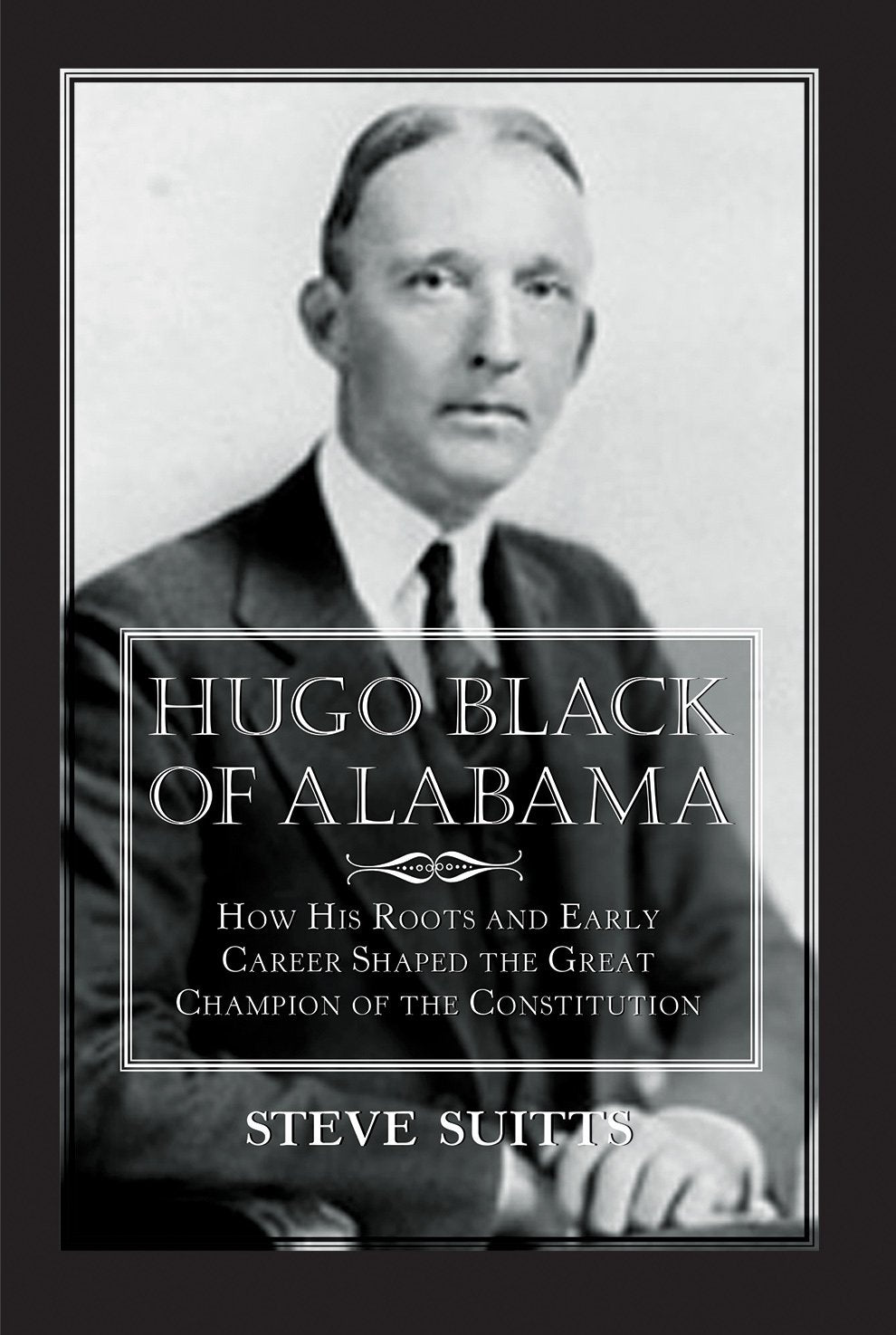
Three decades after his death, the life and career of Supreme Court Justice Hugo L. Black continue to be studied and discussed. This definitive study of Blacks origins and early influences has been 25 years in the making and offers fresh insights into the justices character, thought processes, and instincts. Black came out of hardscrabble Alabama hill country, and he never forgot his origins. He was further shaped in the early 20thcentury politics of Birmingham, where he set up a law practice and began his political career, eventually rising to the U.S. Senate, from which he was selected by FDR for the high court. Blacks nomination was opposed partly on the grounds that he had been a member of the Ku Klux Klan. One of the books conclusions that is sure to be controversial is that in the context of Birmingham in the early 1920s, Blacks joining of the KKK was a progressive act. This startling assertion is supported by an examination of the conflict that was then raging in Birmingham between the Big Mule industrialists and the bluecollar labor unions. Black of course went on to become a staunch judicial advocate of free speech and civil rights, thus making him one of the figures most vilified by the KKK and other white supremacists in the 1950s and 1960s.
⚠️ WARNING (California Proposition 65):
This product may contain chemicals known to the State of California to cause cancer,
birth defects, or other reproductive harm.
For MAP (Minimum Advertised Price) violations and Intellectual Property (IP) or Trademark concerns, please contact:
support@ergodebooks.com
⚠️ California Proposition 65 Warning: Some products sold on this website may expose you to chemicals known to the State of California to cause cancer, birth defects, or other reproductive harm. For more information, visit www.P65Warnings.ca.gov.