
Title
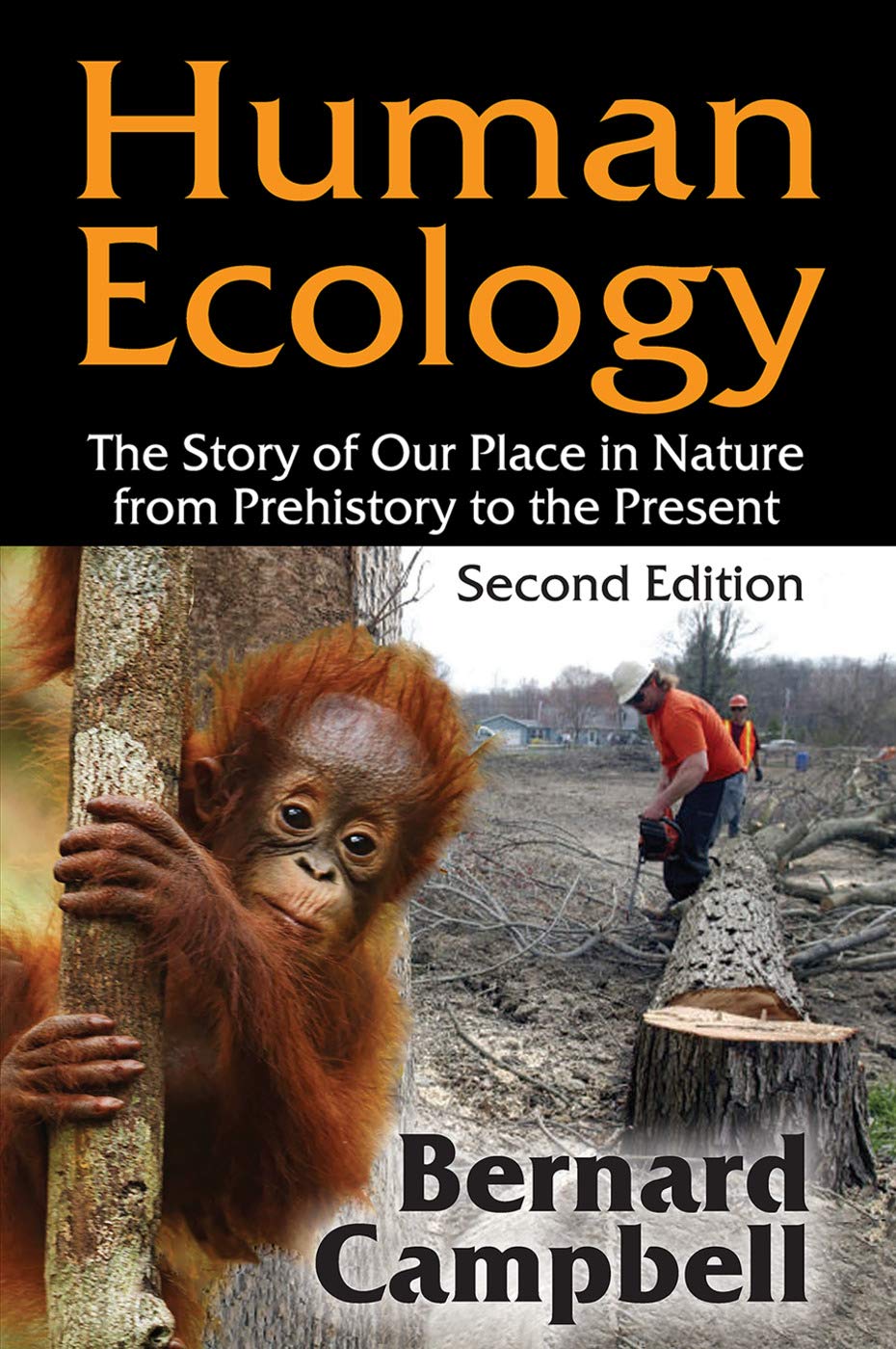
Human Ecology: The Story of Our Place in Nature from Prehistory to the Present,Used
Sold by Ergodebooks, an authorized reseller.
Returns accepted within 30 days | support@ergodebooks.com
Shipping Information
- Free Standard Shipping — United States only
- Processing Time: 3–5 business days
- Estimated Delivery: 6–10 business days after dispatch
- Double-boxed, fully insured & discreetly packaged
- Tracking number sent via email once dispatched
Returns & Refund
Returns accepted within 30 days of delivery.
Damaged or Defective Item
Free return shipping + replacement or full refund
Wrong Item Received
Free return shipping + replacement or full refund
Change of Mind
Return shipping at customer's expense · 25% restocking fee applies
Payment Option

This new edition of a widely adopted primary and supplementary text explores human adaptations to environments over time. It is biologically and culturally sophisticated, drawing on an impressive array of archaeological and paleontological research. Campbell proceeds from earlier, simpler biomes to later, more complex ones, examining selected aspects of the prehistory and history of the human species. Human Ecology offers a succinct introduction to the history of these adaptations within ecosystems: a shared concern among anthropologists, biologists, environmentalists, and the general reader. In the years since this book was first published, the problems that the human species has faced have become more serious. As predicted, world population has rapidly increased, and with it starvation, malnutrition, and disease. Our precious environment is being devastated. In particular, the tropical rain forests, our richest resource, are being cut and burned at an alarming rate with the accompanying degradation of the forest soils. Their flora and fauna, including their human inhabitants, are being destroyed. All this is being done for shortterm financial gain without any longterm planning or understanding of the risks involved. There are no simple and humane shortterm solutions to the central problem of increasing population pressure. In the longterm, the only hope of making possible a life of quality for all, rather than a life of starvation and squalor, is through education. It is essential that we understand the limits that exist to the earth's productivity and the overriding importance of maintaining richly diversified fauna and flora. If we understand how we arrived at this lifethreatening situation, the resolution will become clear. Nonviolent and viable solutions do exist and can be implemented, but the human race first must understand and face up to the nature of its frightening predicament.
⚠️ WARNING (California Proposition 65):
This product may contain chemicals known to the State of California to cause cancer, birth defects, or other reproductive harm.
For more information, please visit www.P65Warnings.ca.gov.