
Title
Human Language: From Genes and Brains to Behavior (Mit Press),Used
Sold by Ergodebooks, an authorized reseller.
Returns accepted within 30 days | support@ergodebooks.com
Shipping Information
- Free Standard Shipping — United States only
- Processing Time: 3–5 business days
- Estimated Delivery: 6–10 business days after dispatch
- Double-boxed, fully insured & discreetly packaged
- Tracking number sent via email once dispatched
Returns & Refund
Returns accepted within 30 days of delivery.
Damaged or Defective Item
Free return shipping + replacement or full refund
Wrong Item Received
Free return shipping + replacement or full refund
Change of Mind
Return shipping at customer's expense · 25% restocking fee applies
Payment Option

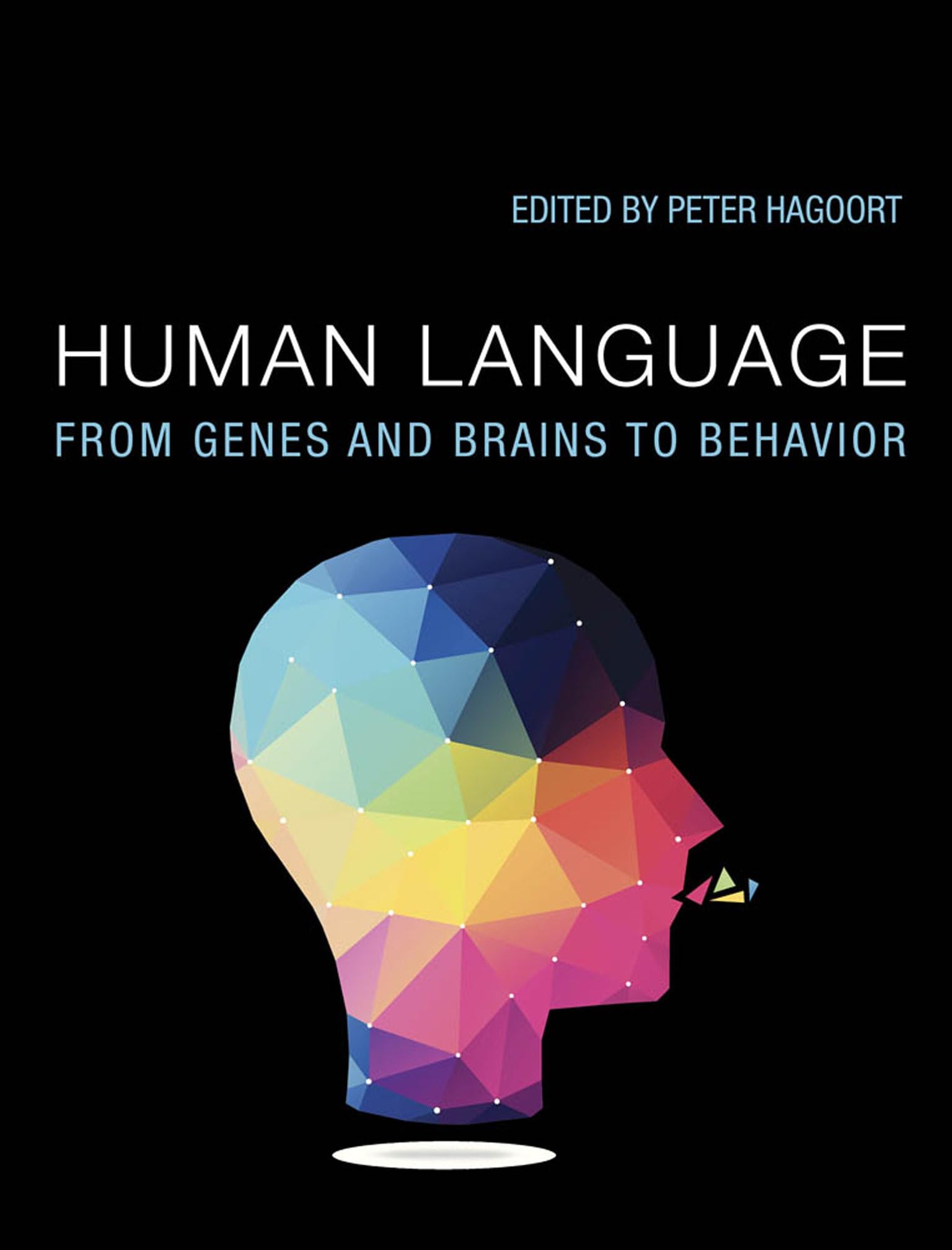
A unique overview of the human language faculty at all levels of organization.Language is not only one of the most complex cognitive functions that we command, it is also the aspect of the mind that makes us uniquely human. Research suggests that the human brain exhibits a language readiness not found in the brains of other species. This volume brings together contributions from a range of fields to examine humans' language capacity from multiple perspectives, analyzing it at genetic, neurobiological, psychological, and linguistic levels.In recent decades, advances in computational modeling, neuroimaging, and genetic sequencing have made possible new approaches to the study of language, and the contributors draw on these developments. The book examines cognitive architectures, investigating the functional organization of the major language skills; learning and development trajectories, summarizing the current understanding of the steps and neurocognitive mechanisms in language processing; evolutionary and other preconditions for communication by means of natural language; computational tools for modeling language; cognitive neuroscientific methods that allow observations of the human brain in action, including fMRI, EEG/MEG, and others; the neural infrastructure of language capacity; the genome's role in building and maintaining the languageready brain; and insights from studying such languagerelevant behaviors in nonhuman animals as birdsong and primate vocalization.Section editorsChristian F. Beckmann, Carel ten Cate, Simon E. Fisher, Peter Hagoort, Evan Kidd, Stephen C. Levinson, James M. McQueen, Antje S. Meyer, David Poeppel, Caroline F. Rowland, Constance Scharff, Ivan Toni, Willem Zuidema
⚠️ WARNING (California Proposition 65):
This product may contain chemicals known to the State of California to cause cancer, birth defects, or other reproductive harm.
For more information, please visit www.P65Warnings.ca.gov.