
Title
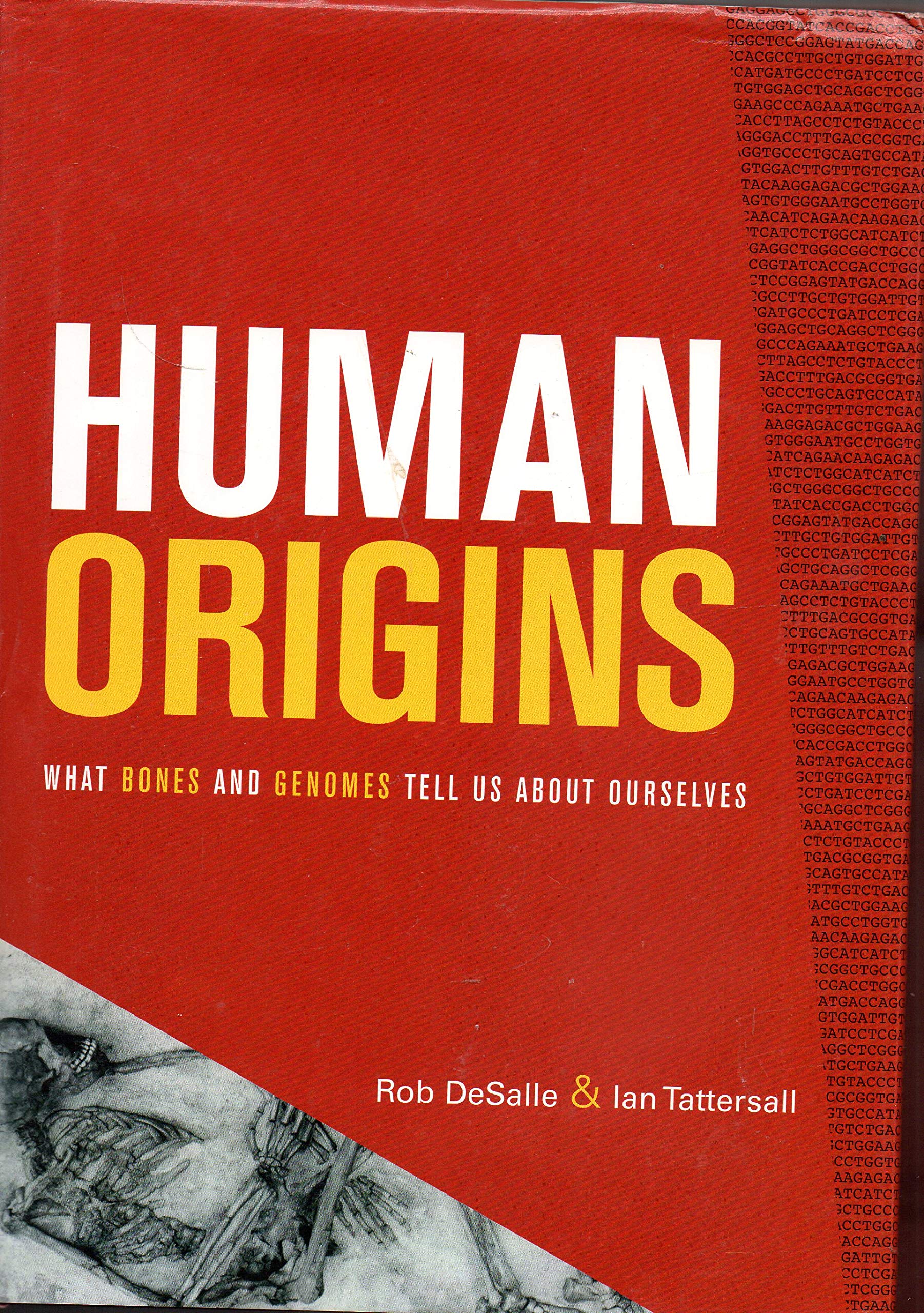
Human Origins: What Bones and Genomes Tell Us about Ourselves,New
Sold by Ergodebooks, an authorized reseller.
Returns accepted within 30 days | support@ergodebooks.com
Shipping Information
- Free Standard Shipping — United States only
- Processing Time: 3–5 business days
- Estimated Delivery: 6–10 business days after dispatch
- Double-boxed, fully insured & discreetly packaged
- Tracking number sent via email once dispatched
Returns & Refund
Returns accepted within 30 days of delivery.
Damaged or Defective Item
Free return shipping + replacement or full refund
Wrong Item Received
Free return shipping + replacement or full refund
Change of Mind
Return shipping at customer's expense · 25% restocking fee applies
Payment Option

Ever since the recognition of the Neanderthals as an archaic human in the midnineteenth century, the fossilized bones of extinct humans have been used by paleoanthropologists to explore human origins. These bones told the story of how the earliest humansbipedal apes, actuallyfirst emerged in Africa some 6 to 7 million years ago. Starting about 2 million years ago, the bones revealed, as humans became anatomically and behaviorally more modern, they swept out of Africa in waves into Asia, Europe and finally the New World.Even as paleoanthropologists continued to make important discoveriesMary Leakeys Nutcracker Man in 1959, Don Johansons Lucy in 1974, and most recently Martin Pickfords Millennium Man, to name just a fewexperts in genetics were looking at the human species from a very different angle. In 1953 James Watson and Francis Crick first saw the double helix structure of DNA, the basic building block of all life. In the 1970s it was shown that humans share 98.7% of their genes with the great apesthat in fact genetically we are more closely related to chimpanzees than chimpanzees are to gorillas. And most recently the entire human genome has been mappedwe now know where each of the genes on the chromosomes that make up DNA is located on the double helix.In Human Origins: What Bones and Genomes Tell Us about Ourselves, two of the worlds foremost scientists, geneticist Rob DeSalle and paleoanthropologist Ian Tattersall, show how research into the human genome confirms what fossil bones have told us about human origins. This unprecedented integration of the fossil and genomic records provides the most complete understanding possible of humanitys place in nature, its emergence from the rest of the living world, and the evolutionary processes that have molded human populations to be what they are today.Human Origins serves as a companion volume to the American Museum of Natural Historys new permanent exhibit, as well as standing alone as an accessible overview of recent insights into what it means to be human.
⚠️ WARNING (California Proposition 65):
This product may contain chemicals known to the State of California to cause cancer, birth defects, or other reproductive harm.
For more information, please visit www.P65Warnings.ca.gov.