
Title
Human Rights In Camera
Sold by Ergodebooks, an authorized reseller.
Returns accepted within 30 days | support@ergodebooks.com
Shipping Information
- Free Standard Shipping — United States only
- Processing Time: 3–5 business days
- Estimated Delivery: 6–10 business days after dispatch
- Double-boxed, fully insured & discreetly packaged
- Tracking number sent via email once dispatched
Returns & Refund
Returns accepted within 30 days of delivery.
Damaged or Defective Item
Free return shipping + replacement or full refund
Wrong Item Received
Free return shipping + replacement or full refund
Change of Mind
Return shipping at customer's expense · 25% restocking fee applies
Payment Option

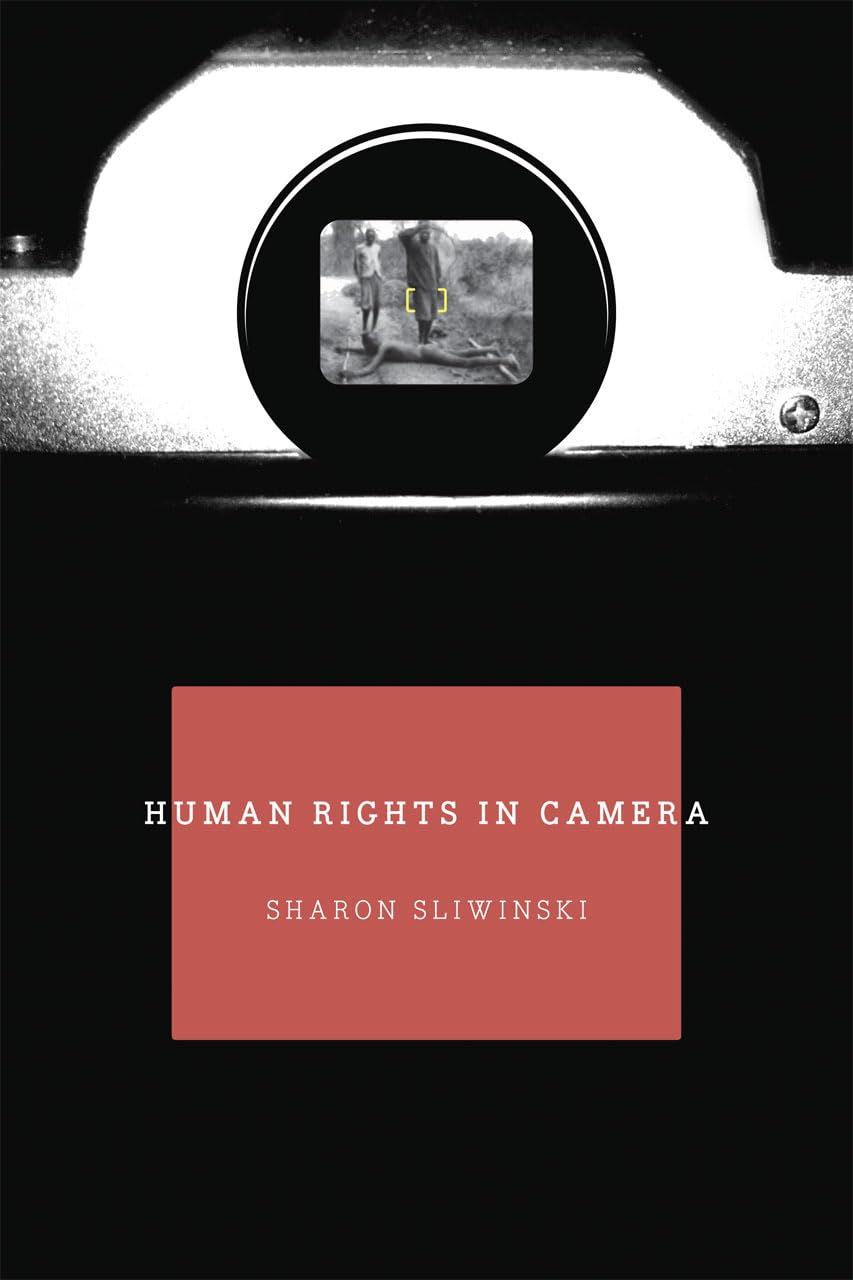
From The Fundamental Rights Proclaimed In The American And French Declarations Of Independence To The 1948 Universal Declaration Of Human Rights And Hannah Arendts Furious Critiques, The Definition Of What It Means To Be Human Has Been Hotly Debated. But The History Of Human Rightsand Their Abusesis Also A Richly Illustrated One. Following This Picture Trail, Human Rights In Camera Takes An Innovative Approach By Examining The Visual Images That Have Accompanied Human Rights Struggles And The Passionate Responses People Have Had To Them.Sharon Sliwinski Considers A Series Of Historical Events, Including The 1755 Lisbon Earthquake And The Holocaust, To Illustrate That Universal Human Rights Have Come To Be Imagined Through Aesthetic Experience. The Circulation Of Images Of Distant Events, She Argues, Forms A Virtual Community Between Spectators And Generates A Sense Of Shared Humanity. Joining A Growing Body Of Scholarship About The Cultural Forces At Work In The Construction Of Human Rights, Human Rights In Camera Is A Novel Take On This Potent Political Ideal.
⚠️ WARNING (California Proposition 65):
This product may contain chemicals known to the State of California to cause cancer, birth defects, or other reproductive harm.
For more information, please visit www.P65Warnings.ca.gov.
- Q: What is the page count of 'Human Rights In Camera'? A: The book contains one hundred ninety-two pages. This length provides a concise yet thorough exploration of human rights through visual imagery.
- Q: What is the binding type of this book? A: The book is available in paperback binding. This makes it lightweight and easy to handle for reading and reference.
- Q: What are the dimensions of 'Human Rights In Camera'? A: The dimensions are six inches in length, zero point seven inches in width, and nine point zero two inches in height. These measurements make it a manageable size for readers.
- Q: Is 'Human Rights In Camera' suitable for younger audiences? A: Yes, the book is suitable for older teens and adults. It discusses complex themes around human rights and historical events that require a mature understanding.
- Q: How should I read 'Human Rights In Camera'? A: Readers can approach this book at their own pace, as it's designed for both casual reading and academic study. Engaging with the visual images will enhance comprehension of the text.
- Q: What themes does 'Human Rights In Camera' explore? A: The book explores themes of human rights struggles, visual culture, and historical events. It examines how imagery shapes our understanding of universal rights.
- Q: How should I care for my copy of 'Human Rights In Camera'? A: To keep the book in good condition, store it upright in a dry place and avoid exposure to direct sunlight. This will help preserve the quality of the pages and binding.
- Q: Is there a specific way to handle the pages? A: Yes, handle the pages gently to prevent tearing or creasing. This is especially important for maintaining the visual quality of the illustrations.
- Q: Can I return 'Human Rights In Camera' if I'm not satisfied? A: Yes, you can typically return the book within a specified period if it's in its original condition. Always check the specific return policy from the seller.
- Q: What if my copy arrives damaged? A: If your copy arrives damaged, contact the seller immediately for a replacement or refund. Most sellers have policies in place for damaged goods.
- Q: How does 'Human Rights In Camera' compare to other history books? A: This book uniquely combines visual analysis with historical context, setting it apart from many traditional history texts that focus solely on text.
- Q: Who is the author of 'Human Rights In Camera'? A: The author is Sharon Sliwinski, who brings a scholarly perspective to the discussion of human rights and visual culture.
- Q: What makes 'Human Rights In Camera' a unique read? A: Its innovative approach to examining human rights through visual imagery distinguishes it from other history books, offering readers a fresh lens on familiar themes.
- Q: What audience is 'Human Rights In Camera' intended for? A: The book is intended for readers interested in history, human rights, and visual culture. It appeals to both scholars and general audiences.
- Q: Does the book include illustrations? A: Yes, 'Human Rights In Camera' includes various illustrations that enhance the narrative and provide visual context to the discussions of human rights.