
Title
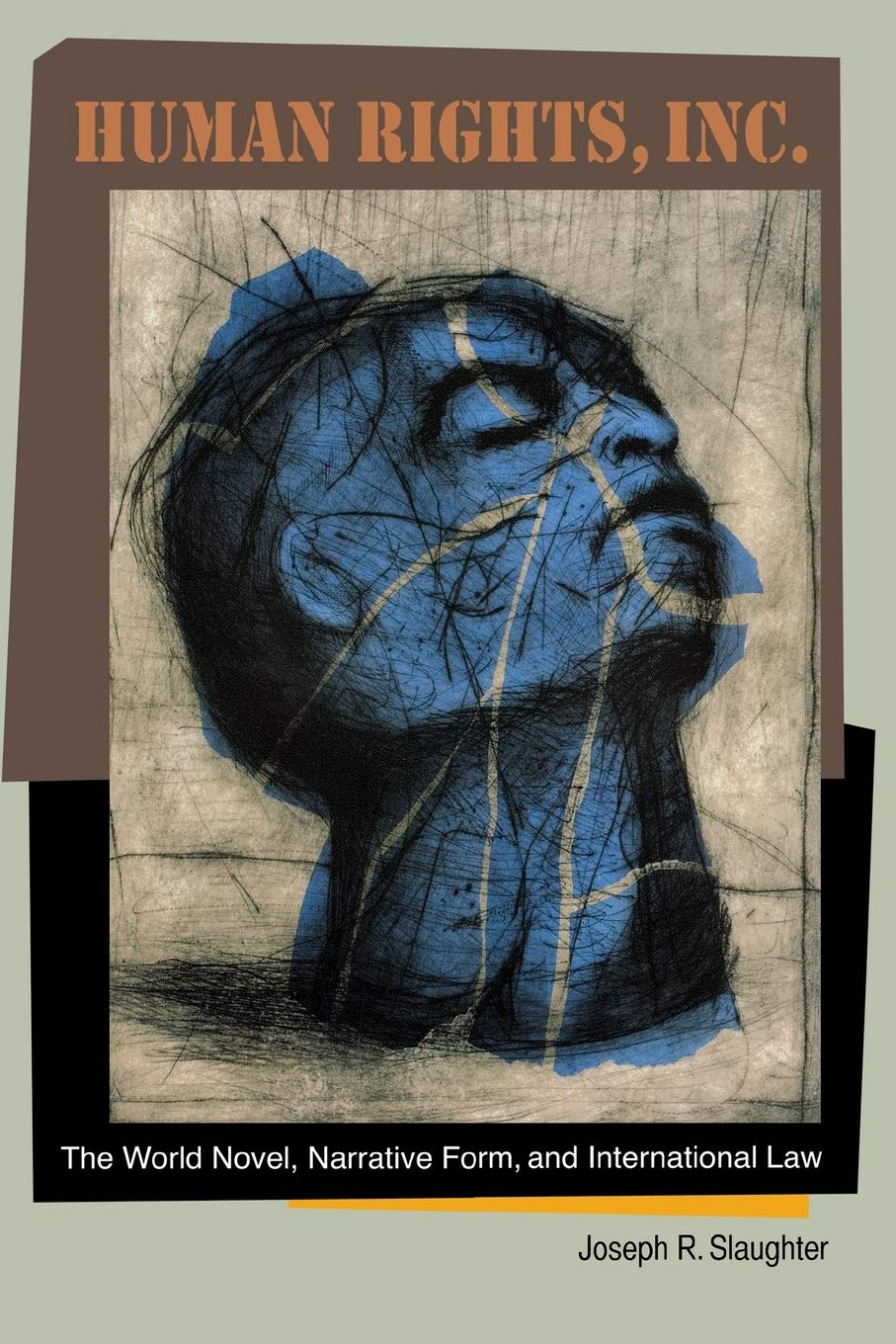
Human Rights, Inc.: The World Novel, Narrative Form, and International Law,Used
Sold by Ergodebooks, an authorized reseller.
Returns accepted within 30 days | support@ergodebooks.com
Shipping Information
- Free Standard Shipping — United States only
- Processing Time: 3–5 business days
- Estimated Delivery: 6–10 business days after dispatch
- Double-boxed, fully insured & discreetly packaged
- Tracking number sent via email once dispatched
Returns & Refund
Returns accepted within 30 days of delivery.
Damaged or Defective Item
Free return shipping + replacement or full refund
Wrong Item Received
Free return shipping + replacement or full refund
Change of Mind
Return shipping at customer's expense · 25% restocking fee applies
Payment Option

In this timely study of the historical, ideological, and formal interdependencies of the novel and human rights, Joseph Slaughter demonstrates that the twentiethcentury rise of world literature and international human rights law are related phenomena.Slaughter argues that international law shares with the modern novel a particular conception of the human individual. The Bildungsroman, the novel of coming of age, fills out this image, offering a conceptual vocabulary, a humanist social vision, and a narrative grammar for what the Universal Declaration of Human Rights and early literary theorists both call the free and full development of the human personality.Revising our received understanding of the relationship between law and literature, Slaughter suggests that this narrative form has acted as a cultural surrogate for the weak executive authority of international law, naturalizing the assumptions and conditions that make human rights appear commonsensical. As a kind of novelistic correlative to human rights law, the Bildungsroman has thus been doing some of the sociocultural work of enforcement that the law cannot do for itself.This analysis of the cultural work of law and of the social work of literature challenges traditional Eurocentric histories of both international law and the dissemination of the novel. Taking his point of departure in Goethes Wilhelm Meister, Slaughter focuses on recent postcolonial versions of the comingofage story to show how the promise of human rights becomes legible in narrative and how the novel and the law are complicit in contemporary projects of globalization: in colonialism, neoimperalism, humanitarianism, and the spread of multinational consumer capitalism.Slaughter raises important practical and ethical questions that we must confront in advocating for human rights and reading world literatureimperatives that, today more than ever, are intertwined.
⚠️ WARNING (California Proposition 65):
This product may contain chemicals known to the State of California to cause cancer, birth defects, or other reproductive harm.
For more information, please visit www.P65Warnings.ca.gov.