If you have any questions, you are always welcome to contact us. We'll get back to you as soon as possible, withing 24 hours on weekdays.
Customer service
All questions about your order, return and delivery must be sent to our customer service team by e-mail at yourstore@yourdomain.com
Sale & Press
If you are interested in selling our products, need more information about our brand or wish to make a collaboration, please contact us at press@yourdomain.com
Help
If you have any questions, you are always welcome to contact us. We'll get back to you as soon as possible, withing 24 hours on weekdays.
Customer service
All questions about your order, return and delivery must be sent to our customer service team by e-mail at yourstore@yourdomain.com
Sale & Press
If you are interested in selling our products, need more information about our brand or wish to make a collaboration, please contact us at press@yourdomain.com
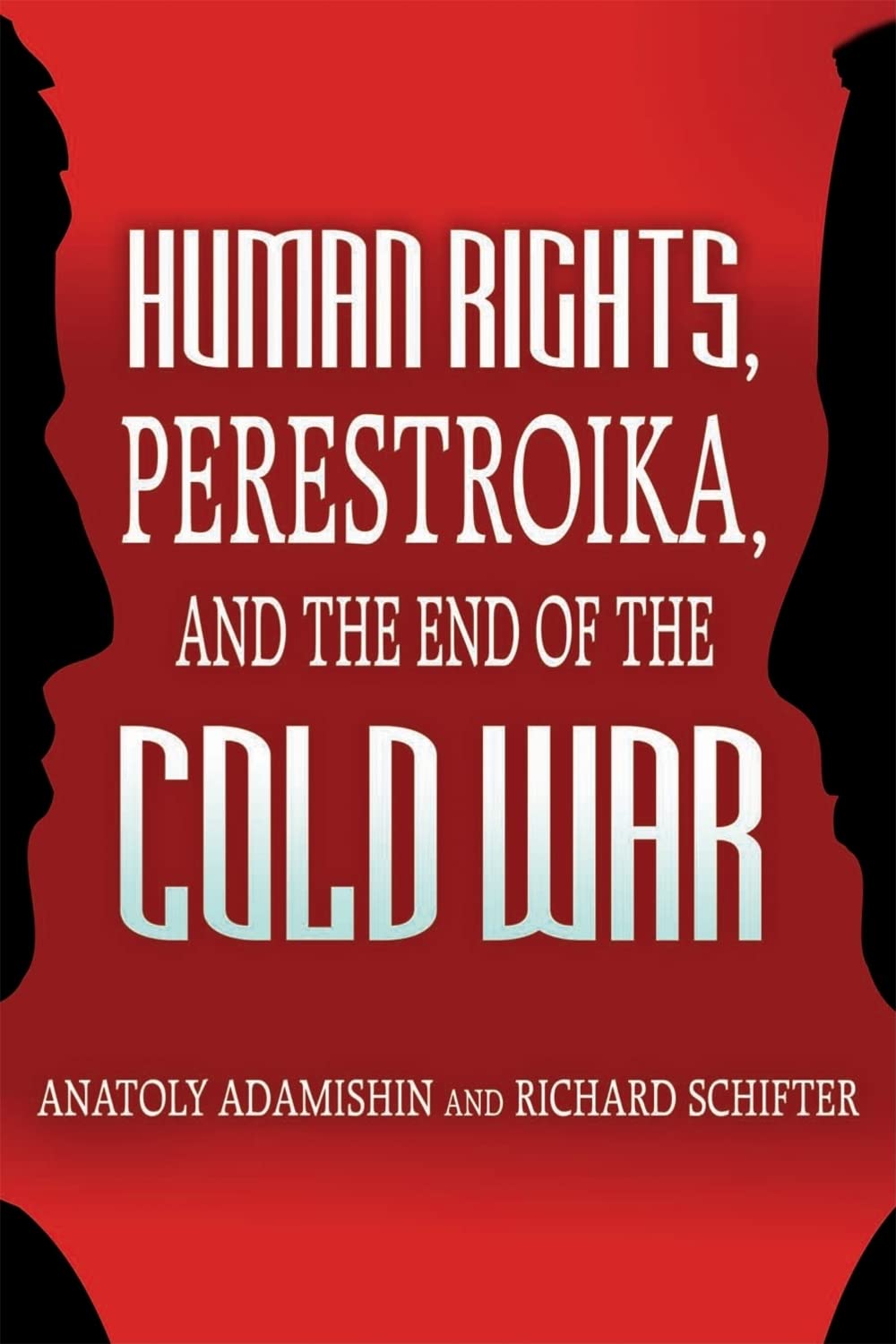
A unique effort to combine Russian and American perspectives on the role of human rights in the U.S.Soviet relationship at the end of the Soviet Union.Dmitri Trenin, The Nixon CenterIncludes forewords by Mikhail Gorbachev and George P. ShultzA diplomatic memoir unlike any other, this volume takes the reader behind the scenes on both sides of the Cold War as two men form an unlikely partnership to help transform SovietAmerican relations. When U.S. assistant secretary of state Richard Schifter first met Soviet deputy foreign minister Anatoly Adamishin to discuss human rights, the Reagan administration was still skeptical of Gorbachev s reformist credentials. But skepticism soon gave way not just to belief but to active support. Like their immediate superiors George Shultz and Eduard Shevardnadze, Schifter and Adamishin became partners in the process of rapprochement. Together, they helped free political prisoners, spur Jewish emigration, support perestroika against its domestic enemies, and contribute to the mutual trust that allowed the Cold War to end swiftly and peacefully.Each chapter consists of two parts, one by each author, that offer complementary perspectives on the same events. The result is a volume that reveals much about the policymaking process during a historic era and exemplifies the power of diplomatic negotiation. It also argues provocatively that once the Cold War had ended, U.S. assistance to the Soviet Union could have helped prevent Gorbachev s fall from power, which ultimately damaged the democratic cause in Russia.
⚠️ WARNING (California Proposition 65):
This product may contain chemicals known to the State of California to cause cancer,
birth defects, or other reproductive harm.
For MAP (Minimum Advertised Price) violations and Intellectual Property (IP) or Trademark concerns, please contact:
support@ergodebooks.com
⚠️ California Proposition 65 Warning: Some products sold on this website may expose you to chemicals known to the State of California to cause cancer, birth defects, or other reproductive harm. For more information, visit www.P65Warnings.ca.gov.