If you have any questions, you are always welcome to contact us. We'll get back to you as soon as possible, withing 24 hours on weekdays.
Customer service
All questions about your order, return and delivery must be sent to our customer service team by e-mail at yourstore@yourdomain.com
Sale & Press
If you are interested in selling our products, need more information about our brand or wish to make a collaboration, please contact us at press@yourdomain.com
Help
If you have any questions, you are always welcome to contact us. We'll get back to you as soon as possible, withing 24 hours on weekdays.
Customer service
All questions about your order, return and delivery must be sent to our customer service team by e-mail at yourstore@yourdomain.com
Sale & Press
If you are interested in selling our products, need more information about our brand or wish to make a collaboration, please contact us at press@yourdomain.com
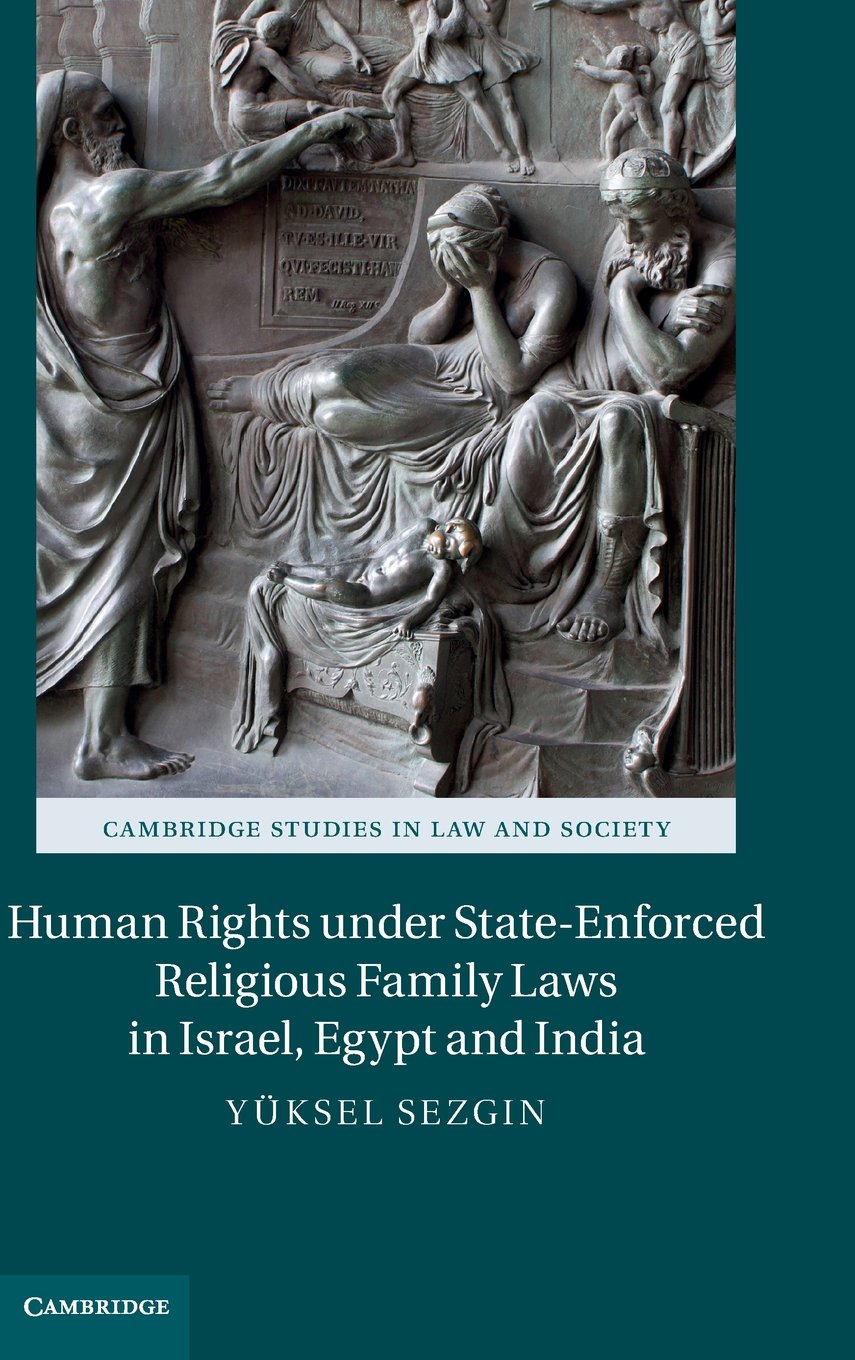
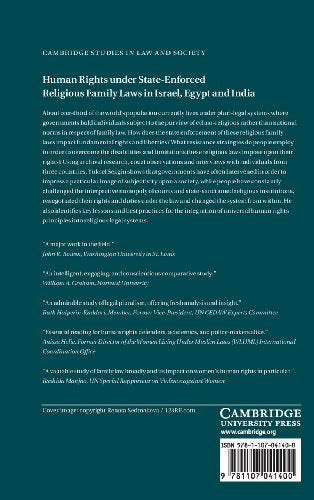
About onethird of the world's population currently lives under plurilegal systems where governments hold individuals subject to the purview of ethnoreligious rather than national norms in respect to family law. How does the stateenforcement of these religious family laws impact fundamental rights and liberties? What resistance strategies do people employ in order to overcome the disabilities and limitations these religious laws impose upon their rights? Based on archival research, court observations and interviews with individuals from three countries, Yksel Sezgin shows that governments have often intervened in order to impress a particular image of subjectivity upon a society, while people have constantly challenged the interpretive monopoly of courts and statesanctioned religious institutions, renegotiated their rights and duties under the law, and changed the system from within. He also identifies key lessons and best practices for the integration of universal human rights principles into religious legal systems.
⚠️ WARNING (California Proposition 65):
This product may contain chemicals known to the State of California to cause cancer,
birth defects, or other reproductive harm.
For MAP (Minimum Advertised Price) violations and Intellectual Property (IP) or Trademark concerns, please contact:
support@ergodebooks.com
⚠️ California Proposition 65 Warning: Some products sold on this website may expose you to chemicals known to the State of California to cause cancer, birth defects, or other reproductive harm. For more information, visit www.P65Warnings.ca.gov.