
Title
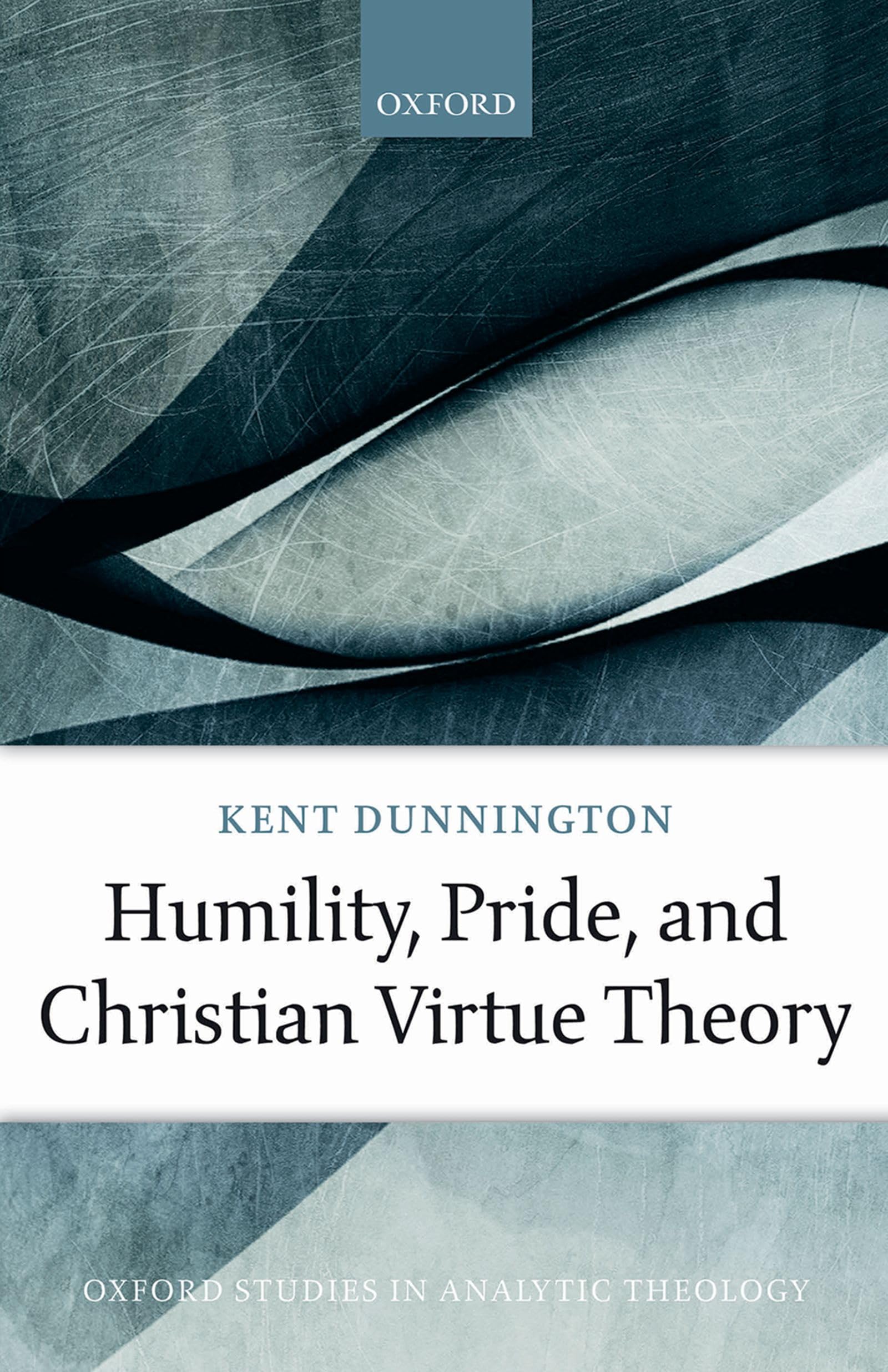
Humility, Pride, and Christian Virtue Theory (Oxford Studies in Analytic Theology),Used
Sold by Ergodebooks, an authorized reseller.
Returns accepted within 30 days | support@ergodebooks.com
Shipping Information
- Free Standard Shipping — United States only
- Processing Time: 3–5 business days
- Estimated Delivery: 6–10 business days after dispatch
- Double-boxed, fully insured & discreetly packaged
- Tracking number sent via email once dispatched
Returns & Refund
Returns accepted within 30 days of delivery.
Damaged or Defective Item
Free return shipping + replacement or full refund
Wrong Item Received
Free return shipping + replacement or full refund
Change of Mind
Return shipping at customer's expense · 25% restocking fee applies
Payment Option

Humility, Pride, and Christian Virtue Theory proposes an account of humility that relies on the most radical Christian sayings about humility, especially those found in Augustine and the early monastic tradition. It argues that this was the view of humility that put Christian moral thought into decisive conflict with the best GrecoRoman moral thought. This radical Christian account of humility has been forgotten amidst contemporary efforts to clarify and retrieve the virtue of humility for secular life. Kent Dunnington shows how humility was repurposed during the earlymodern eraparticularly in the thought of Hobbes, Hume, and Kantto better serve the economic and social needs of the emerging modern state. This repurposed humility insisted on a role for proper pride alongside humility, as a necessary constituent of selfesteem and a necessary motive of consistent moral action over time. Contemporary philosophical accounts of humility continue this emphasis on proper pride as a counterbalance to humility. By contrast, radical Christian humility proscribes pride altogether. Dunnington demonstrates how such a radical view need not give rise to vices of humility such as servility and pusillanimity, nor need such a view fall prey to feminist critiques of humility. But the view of humility set forth makes little sense abstracted from a specific set of doctrinal commitments peculiar to Christianity. This study argues that this is a strength rather than a weakness of the account since it displays how Christianity matters for the shape of the moral life.
⚠️ WARNING (California Proposition 65):
This product may contain chemicals known to the State of California to cause cancer, birth defects, or other reproductive harm.
For more information, please visit www.P65Warnings.ca.gov.