
Title
Humor In Middle Eastern Cinema (Contemporary Approaches To Film And Media Studies),Used
Sold by Ergodebooks, an authorized reseller.
Returns accepted within 30 days | support@ergodebooks.com
Shipping Information
- Free Standard Shipping — United States only
- Processing Time: 3–5 business days
- Estimated Delivery: 6–10 business days after dispatch
- Double-boxed, fully insured & discreetly packaged
- Tracking number sent via email once dispatched
Returns & Refund
Returns accepted within 30 days of delivery.
Damaged or Defective Item
Free return shipping + replacement or full refund
Wrong Item Received
Free return shipping + replacement or full refund
Change of Mind
Return shipping at customer's expense · 25% restocking fee applies
Payment Option

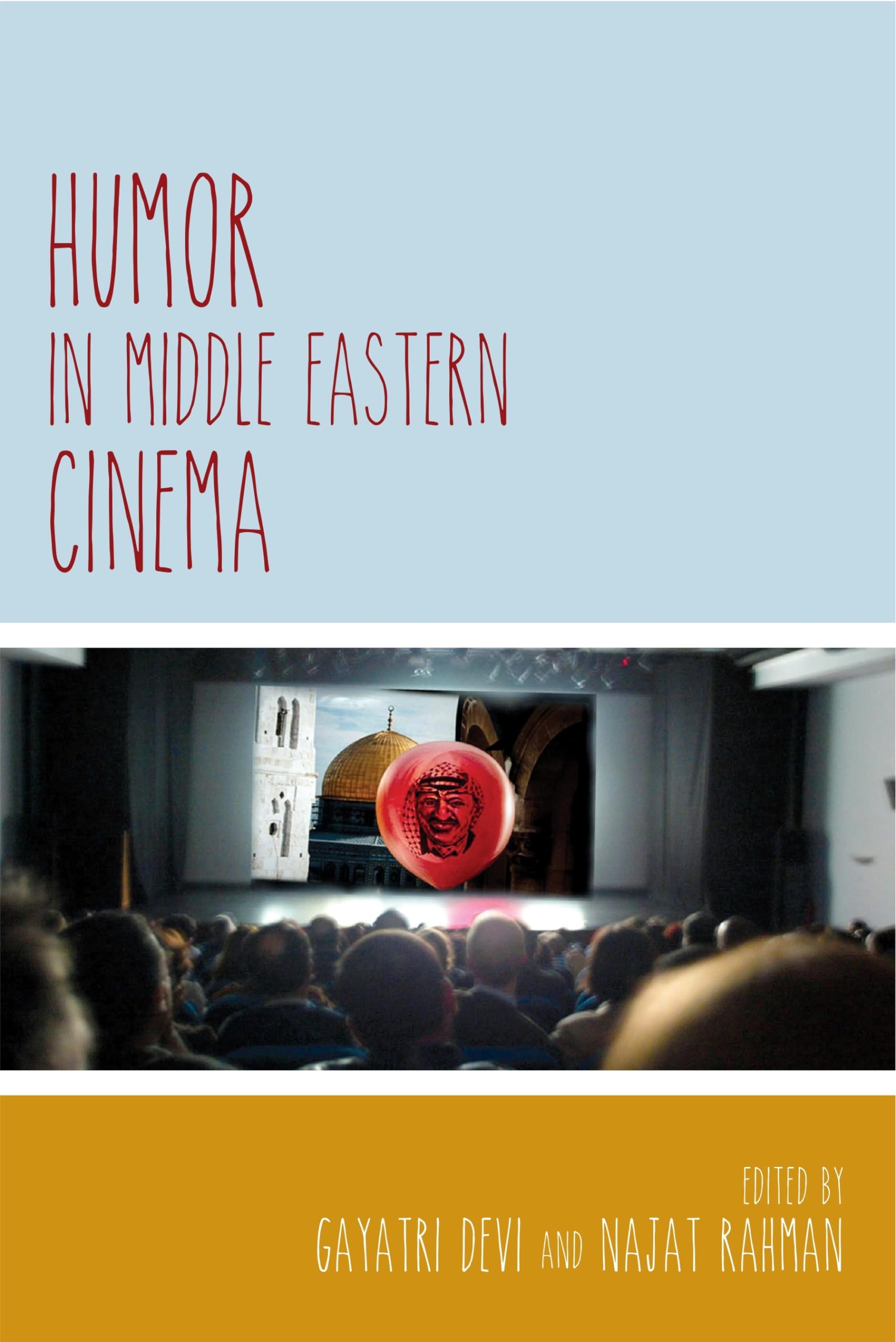
While Middle Eastern culture does not tend to be associated with laughter and levity in the global imagination, humoroften satiricalhas long been a staple of mainstream Arabic film. In Humor in Middle Eastern Cinema, editors Gayatri Devi and Najat Rahman shed light on this tradition, as well as humor and laughter motivated by other intentincluding parody, irony, the absurd, burlesque, and dark comedy. Contributors trace the proliferation of humor in contemporary Middle Eastern cinema in the works of individual directors and from the perspectives of genre, national cinemas, and diasporic cinema.Humor in Middle Eastern Cinema explores what humor theorists have identified as an 'emancipatory,' 'liberatory,' even 'revolutionary' function to humor. Among the questions contributors ask are: How does Middle Eastern cinema and media highlight the stakes and place of humor in art and in life? What is its relation to the political? Can humor in cinematic art be emancipatory? What are its limits for its intervention or transformation? Contributors examine the region's masterful auteurs, such as Abbas Kiarostami, Youssef Chahine, and Elia Suleiman and cover a range of cinematic settings, including Egypt, Iran, Israel, Lebanon, Palestine, Syria, Tunisia, and Turkey. They also trace diasporic issues in the distinctive cinema of India and Pakistan.This insightful collection will introduce readers to a variety of contemporary Middle Eastern cinema that has attracted little critical notice. Scholars of cinema and media studies as well as Middle Eastern cultural history will appreciate this introduction to a complex and fascinating cinema.
⚠️ WARNING (California Proposition 65):
This product may contain chemicals known to the State of California to cause cancer, birth defects, or other reproductive harm.
For more information, please visit www.P65Warnings.ca.gov.