
Title

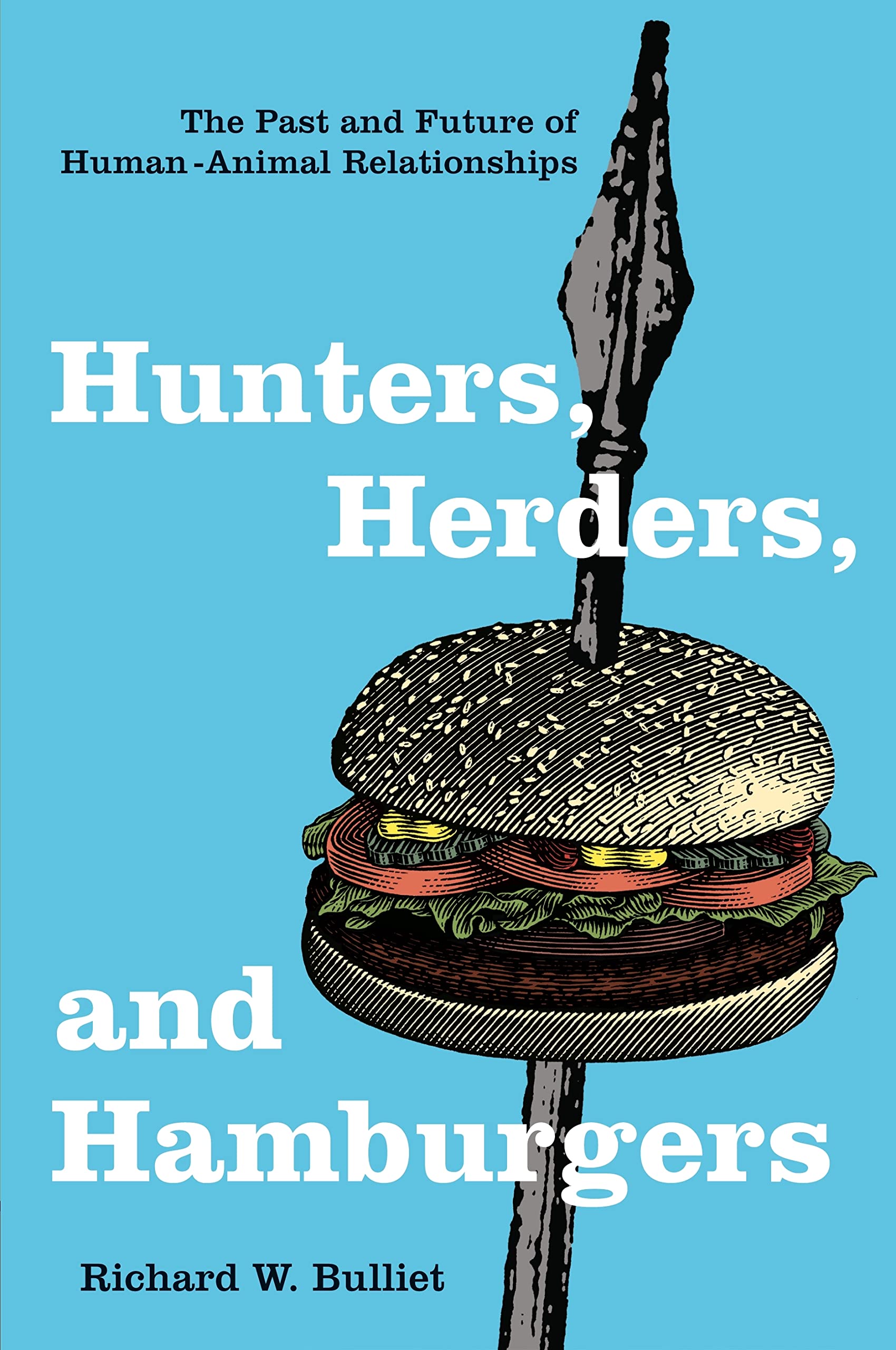
Hunters, Herders, And Hamburgers: The Past And Future Of Humananimal Relationships
Sold by Ergodebooks, an authorized reseller.
Returns accepted within 30 days | support@ergodebooks.com
Shipping Information
- Free Standard Shipping — United States only
- Processing Time: 3–5 business days
- Estimated Delivery: 6–10 business days after dispatch
- Double-boxed, fully insured & discreetly packaged
- Tracking number sent via email once dispatched
Returns & Refund
Returns accepted within 30 days of delivery.
Damaged or Defective Item
Free return shipping + replacement or full refund
Wrong Item Received
Free return shipping + replacement or full refund
Change of Mind
Return shipping at customer's expense · 25% restocking fee applies
Payment Option

Richard W. Bulliet Has Long Been A Leading Figure In The Study Of Humananimal Relations, And In His Newest Work, Hunters, Herders, And Hamburgers, He Offers A Sweeping And Engaging Perspective On This Dynamic Relationship From Prehistory To The Present. By Considering The Shifting Roles Of Donkeys, Camels, Cows, And Other Domesticated Animals In Human Society, As Well As Their Place In The Social Imagination, Bulliet Reveals The Different Ways Various Cultures Have Reinforced, Symbolized, And Rationalized Their Relations With Animals.Bulliet Identifies And Explores Four Stages In The History Of The Humananimal Relationshipseparation, Predomesticity, Domesticity, And Postdomesticity. He Begins With The Question Of When And Why Humans Began To Consider Themselves Distinct From Other Species And Continues With A Fresh Look At How A Few Species Became Domesticated. He Demonstrates That During The Domestic Era Many Species Fell From Being Admired And Even Worshipped To Being Little More Than Raw Materials For Various Animalproduct Industries. Throughout The Work, Bulliet Discusses How Social And Technological Developments And Changing Philosophical, Religious, And Aesthetic Viewpoints Have Shaped Attitudes Toward Animals.Our Relationship To Animals Continues To Evolve In The Twentyfirst Century. Bulliet Writes, We Are Today Living Through A New Watershed In Humananimal Relations, One That Appears Likely To Affect Our Material, Social, And Imaginative Lives As Profoundly As Did The Original Emergence Of Domestic Species. The United States, Britain, And A Few Other Countries Are Leading A Move From Domesticity, Marked By Nearly Universal Familiarity With Domestic Species, To An Era Of Postdomesticity, In Which Dependence On Animal Products Continues But Most People Have No Contact With Producing Animals. Elective Vegetarianism And The Animalliberation Movement Have Combined With New Attitudes Toward Animal Science, Pets, And The Presentation Of Animals In Popular Culture To Impart A Distinctive Moral, Psychological, And Spiritual Tone To Postdomestic Life.
⚠️ WARNING (California Proposition 65):
This product may contain chemicals known to the State of California to cause cancer, birth defects, or other reproductive harm.
For more information, please visit www.P65Warnings.ca.gov.
- Q: How many pages are in this book? A: This book contains two hundred fifty-three pages. It offers an in-depth exploration of human-animal relationships across history.
- Q: What are the dimensions of 'Hunters, Herders, and Hamburgers'? A: The book measures nine point twenty-five inches in length, six point three inches in width, and zero point eighty-seven inches in height.
- Q: What type of binding does this book have? A: This book is bound in hardcover. This ensures durability and a premium feel for readers.
- Q: Who is the author of this book? A: The author is Richard W. Bulliet, a noted expert in human-animal relations.
- Q: What is the genre of 'Hunters, Herders, and Hamburgers'? A: This book falls under the World category. It explores anthropological themes related to human-animal interactions.
- Q: Is this book suitable for all ages? A: Yes, this book is appropriate for a general audience. However, it contains complex themes more suitable for adults and older teens.
- Q: How can I use this book in a classroom setting? A: You can use this book as a resource for discussions on anthropology and ethics in human-animal relationships. It is suitable for higher education courses.
- Q: What type of reader would benefit from this book? A: Readers interested in anthropology, history, and ethics would benefit from this book. It provides insights into cultural shifts regarding animals.
- Q: Can this book be used for research purposes? A: Yes, this book is an excellent resource for research. It includes historical analysis and cultural perspectives that are academically valuable.
- Q: How should I store this hardcover book? A: Store this hardcover book upright on a shelf to prevent warping. Keep it away from direct sunlight to protect the cover.
- Q: Is there a specific way to clean the book? A: To clean the book, use a dry cloth to remove dust. Avoid using liquids as they can damage the pages.
- Q: What if the book arrives damaged? A: If the book arrives damaged, you should contact the seller for a return or exchange. Most retailers have policies for damaged goods.
- Q: Does this book discuss animal rights issues? A: Yes, the book addresses animal rights issues within the context of evolving human-animal relationships and cultural attitudes.
- Q: Are there any illustrations or images in the book? A: The book primarily consists of text. It focuses on narrative analysis rather than visual illustrations.
- Q: Is this book part of a series? A: No, 'Hunters, Herders, and Hamburgers' is a standalone work by Richard W. Bulliet. It does not belong to a series.
- Q: What themes are explored in this book? A: The book explores themes such as domestication, cultural identity, and the moral implications of human-animal interactions.