If you have any questions, you are always welcome to contact us. We'll get back to you as soon as possible, withing 24 hours on weekdays.
Customer service
All questions about your order, return and delivery must be sent to our customer service team by e-mail at yourstore@yourdomain.com
Sale & Press
If you are interested in selling our products, need more information about our brand or wish to make a collaboration, please contact us at press@yourdomain.com
Help
If you have any questions, you are always welcome to contact us. We'll get back to you as soon as possible, withing 24 hours on weekdays.
Customer service
All questions about your order, return and delivery must be sent to our customer service team by e-mail at yourstore@yourdomain.com
Sale & Press
If you are interested in selling our products, need more information about our brand or wish to make a collaboration, please contact us at press@yourdomain.com
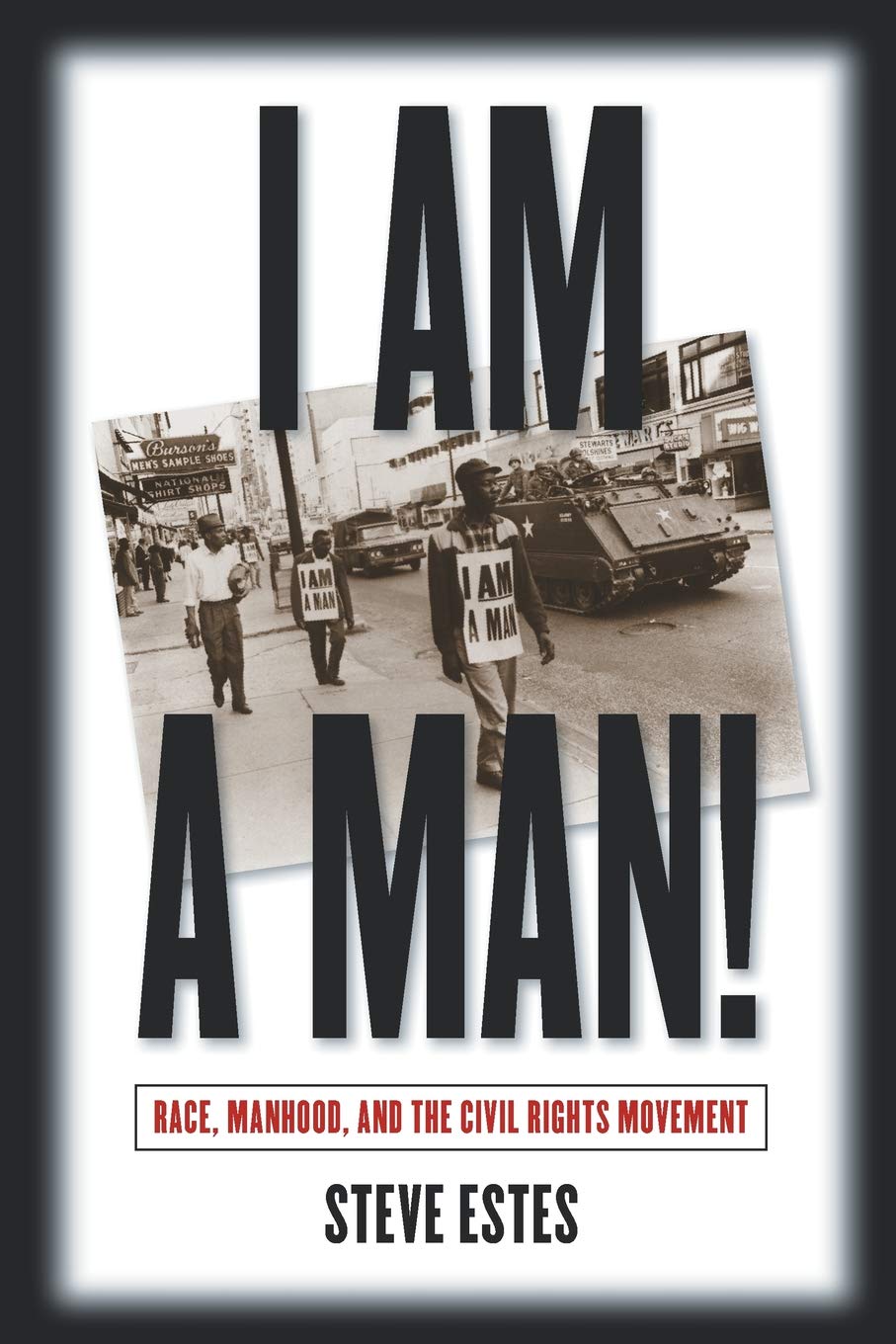
The civil rights movement was first and foremost a struggle for racial equality, but questions of gender lay deeply embedded within this struggle. Steve Estes explores key groups, leaders, and events in the movement to understand how activists used race and manhood to articulate their visions of what American society should be.Estes demonstrates that, at crucial turning points in the movement, both segregationists and civil rights activists harnessed masculinist rhetoric, tapping into implicit assumptions about race, gender, and sexuality. Estes begins with an analysis of the role of black men in World War II and then examines the segregationists, who demonized black male sexuality and galvanized white men behind the ideal of southern honor. He then explores the militant new models of manhood espoused by civil rights activists such as Malcolm X and Martin Luther King Jr., and groups such as the Nation of Islam, the Student Nonviolent Coordinating Committee, and the Black Panther Party.Reliance on masculinist organizing strategies had both positive and negative consequences, Estes concludes. Tracing these strategies from the integration of the U.S. military in the 1940s through the Million Man March in the 1990s, he shows that masculinism rallied men to action but left unchallenged many of the patriarchal assumptions that underlay American society.
⚠️ WARNING (California Proposition 65):
This product may contain chemicals known to the State of California to cause cancer,
birth defects, or other reproductive harm.
For MAP (Minimum Advertised Price) violations and Intellectual Property (IP) or Trademark concerns, please contact:
support@ergodebooks.com
⚠️ California Proposition 65 Warning: Some products sold on this website may expose you to chemicals known to the State of California to cause cancer, birth defects, or other reproductive harm. For more information, visit www.P65Warnings.ca.gov.