
Title
Icebergs, Zombies, and the UltraThin: Architecture and Capitalism in the 21st Century,New
Sold by Ergodebooks, an authorized reseller.
Returns accepted within 30 days | support@ergodebooks.com
Shipping Information
- Free Standard Shipping — United States only
- Processing Time: 3–5 business days
- Estimated Delivery: 6–10 business days after dispatch
- Double-boxed, fully insured & discreetly packaged
- Tracking number sent via email once dispatched
Returns & Refund
Returns accepted within 30 days of delivery.
Damaged or Defective Item
Free return shipping + replacement or full refund
Wrong Item Received
Free return shipping + replacement or full refund
Change of Mind
Return shipping at customer's expense · 25% restocking fee applies
Payment Option

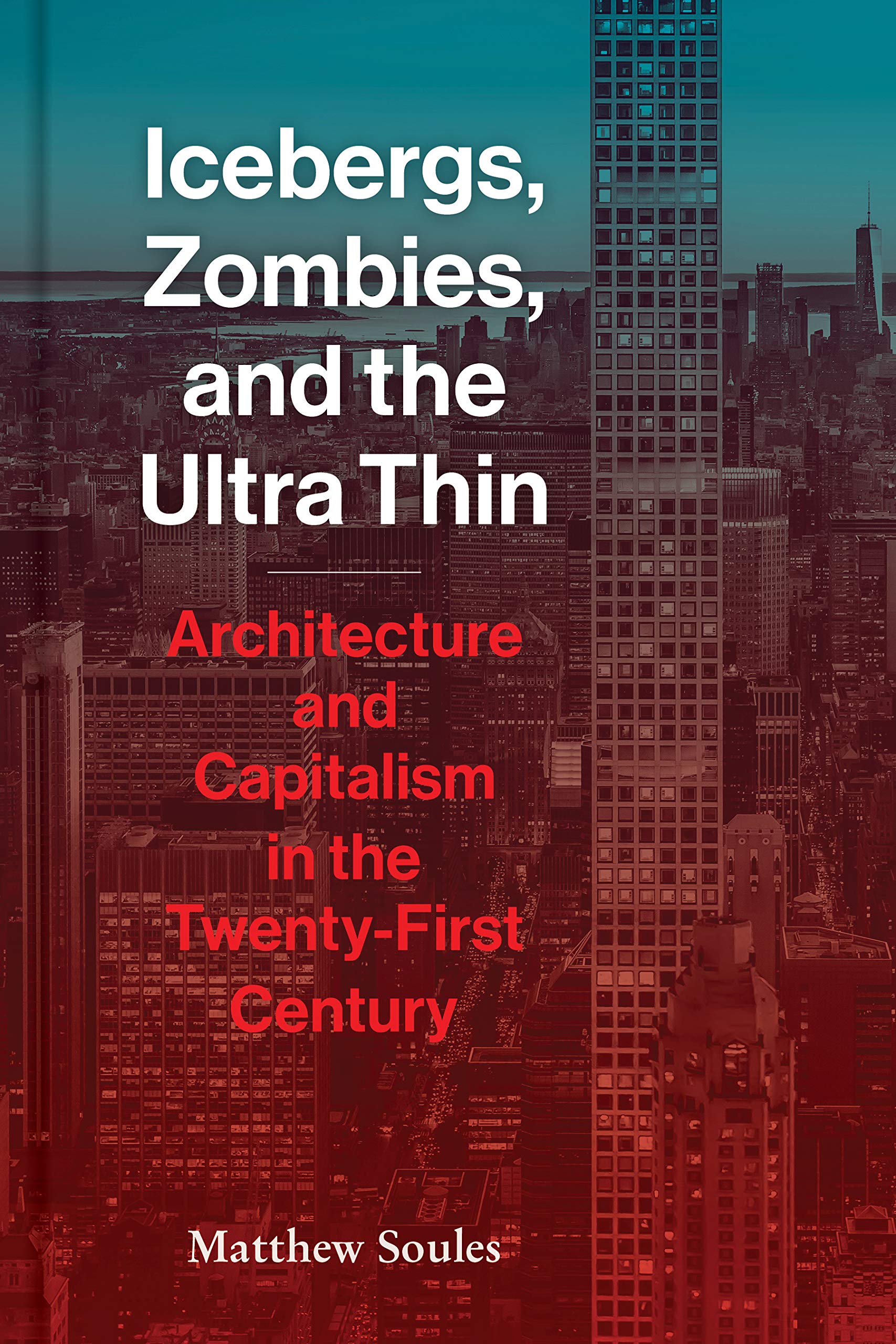
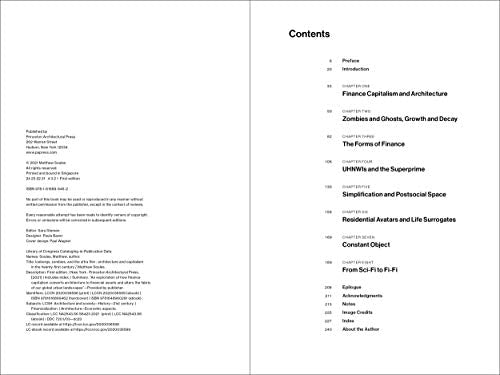
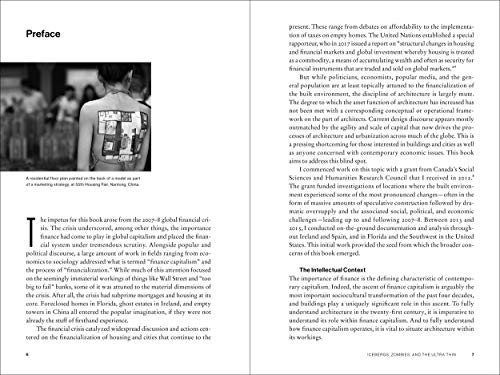
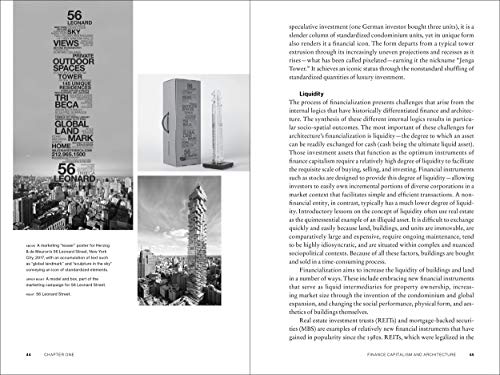
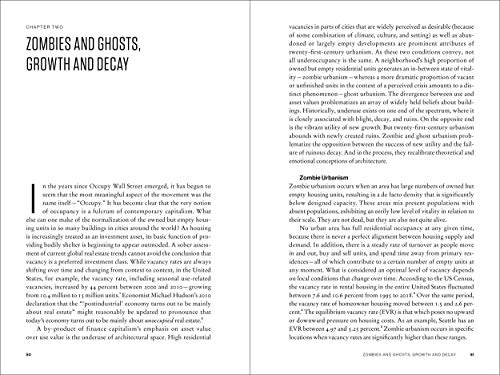
Soules's excellent book makes sense of the capitalist forces we all feel but cannot always name. Icebergs, Zombies, and the Ultra Thin arms architects and the general public with an essential understanding of how capitalism makes property. Required reading for those who think tomorrow can be different from today.' Jack Self, coeditor of Real Estates: Life Without DebtIn Icebergs, Zombies, and the Ultra Thin, Matthew Soules issues an indictment of how finance capitalism dramatically alters not only architectural forms but also the very nature of our cities and societies. We rarely consider architecture to be an important factor in contemporary economic and political debates, yet sparsely occupied ultrathin 'pencil towers' develop in our cities, functioning as speculative wealth storage for the superrich, and cavernous 'iceberg' homes extend architectural assets many stories below street level. Meanwhile, communities around the globe are blighted by zombie and ghost urbanism, marked by unoccupied neighborhoods and abandoned housing developments.Learn how the use of architecture as an investment tool has accelerated in recent years, heightening inequality and contributing to worldwide financial instability: See how investment imperatives shape what and how we build, changing the very structure of our communities Delve into highprofile projects, like the luxury apartments of architect Rafael Violy's 432 Park Avenue Understand the convergence of technology, finance, and spirituality, which together are configuring the financialized walls within which we eat, sleep, and workIncludes dozens of photos and drawings of architectural phenomena that have changed the way we live. Essential reading for anyone interested in architecture, design, economics, and understanding the way our world is formed.
⚠️ WARNING (California Proposition 65):
This product may contain chemicals known to the State of California to cause cancer, birth defects, or other reproductive harm.
For more information, please visit www.P65Warnings.ca.gov.
- Q: What is the main theme of 'Icebergs, Zombies, and the Ultra-Thin'? A: The book examines how finance capitalism influences architectural forms and urban development, highlighting issues like inequality and the use of architecture as an investment tool.
- Q: Who is the author of this book? A: The author is Matthew Soules, who provides insights into the intersection of architecture, economics, and societal changes.
- Q: What types of architectural phenomena are discussed in the book? A: The book discusses various phenomena, including ultra-thin 'pencil towers', iceberg homes, and the impact of abandoned developments known as zombie urbanism.
- Q: How many pages is 'Icebergs, Zombies, and the Ultra-Thin'? A: The book contains 240 pages.
- Q: What is the binding type of this book? A: The book is available in hardcover binding.
- Q: When was 'Icebergs, Zombies, and the Ultra-Thin' published? A: The book was published on May 18, 2021.
- Q: Is this book suitable for readers interested in architecture? A: Yes, it is essential reading for anyone interested in architecture, design, and economics.
- Q: Does the book include visual content? A: Yes, it includes dozens of photos and drawings of architectural phenomena.
- Q: What can readers learn from 'Icebergs, Zombies, and the Ultra-Thin'? A: Readers can learn about how investment imperatives shape urban structures and the relationship between architecture and global financial stability.
- Q: Is there any specific architecture project highlighted in the book? A: Yes, the book delves into high-profile projects, including the luxury apartments of architect Rafael Viñoly's 432 Park Avenue.