
Title
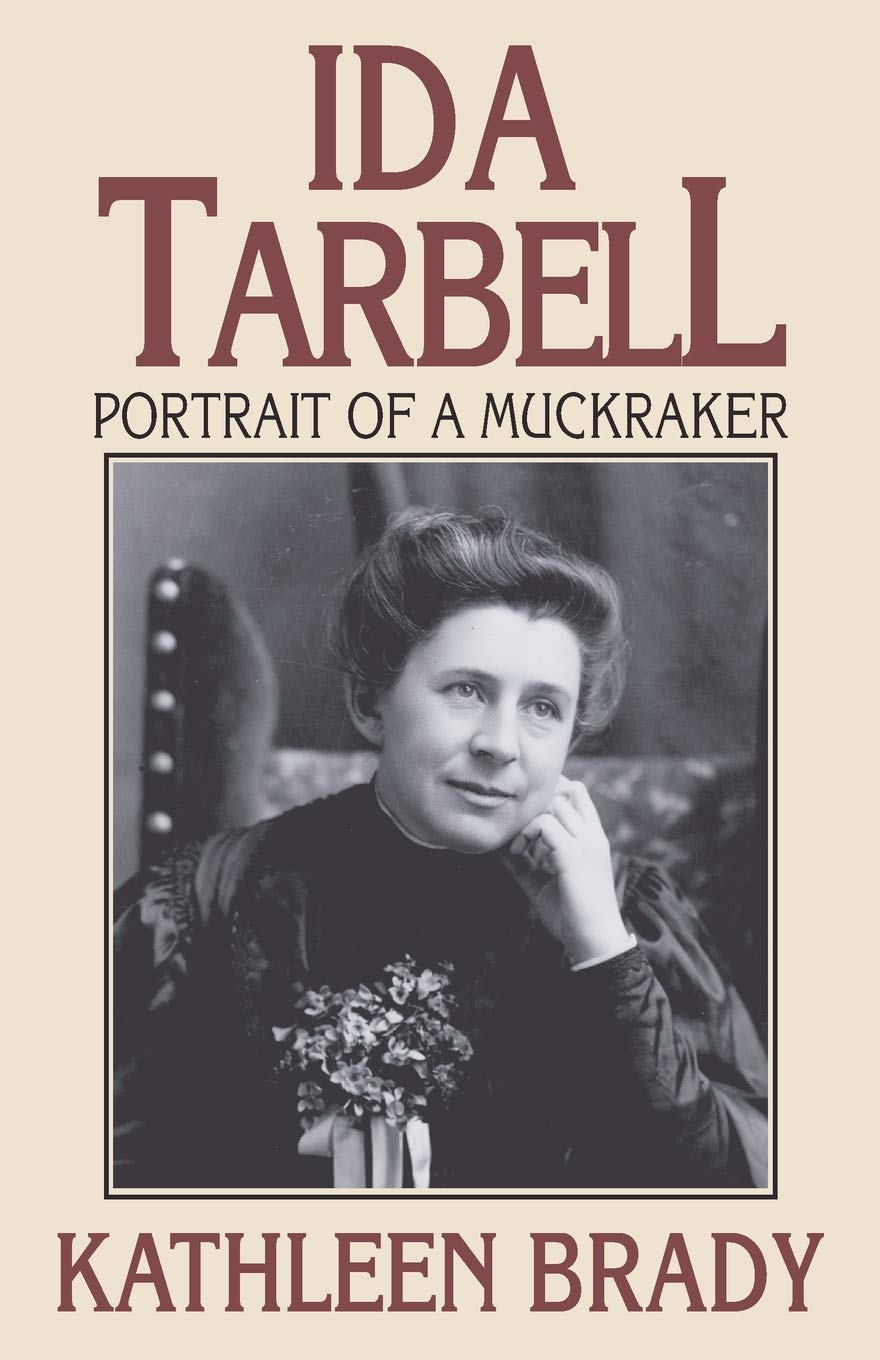
Ida Tarbell: Portrait of a Muckraker,Used
Sold by Ergodebooks, an authorized reseller.
Returns accepted within 30 days | support@ergodebooks.com
Shipping Information
- Free Standard Shipping — United States only
- Processing Time: 3–5 business days
- Estimated Delivery: 6–10 business days after dispatch
- Double-boxed, fully insured & discreetly packaged
- Tracking number sent via email once dispatched
Returns & Refund
Returns accepted within 30 days of delivery.
Damaged or Defective Item
Free return shipping + replacement or full refund
Wrong Item Received
Free return shipping + replacement or full refund
Change of Mind
Return shipping at customer's expense · 25% restocking fee applies
Payment Option

In this first definitive biography of Ida Tarbell, Kathleen Brady has written a readable and widely acclaimed book about one of Americas great journalists.Ida Tarbells generation called her a muckraker (the term was Theodore Roosevelts, and he didnt intend it as a compliment), but in our time she would have been known as an investigative reporter, with the celebrity of Woodward and Bernstein. By any description, Ida Tarbell was one of the most powerful women of her time in the United States: admired, feared, hated. When her History of the Standard Oil Company was published, first in McClures Magazine and then as a book (1904), it shook the Rockefeller interests, caused national outrage, and led the Supreme Court to fragment the giant monopoly.A journalist of extraordinary intelligence, accuracy, and courage, she was also the author of the influential and popular books on Napoleon and Abraham Lincoln, and her hundreds of articles dealt with public figures such as Louis Pateur and Emile Zola, and contemporary issues such as tariff policy and labor. During her long life, she knew Teddy Roosevelt, Jane Addams, Henry James, Samuel McClure, Lincoln Stephens, Herbert Hoover, and many other prominent Americans. She achieved more than almost any woman of her generation, but she was an antisuffragist, believing that the traditional roles of wife and mother were more important than public life. She ultimately defended the business interests she had once attacked.To this day, her opposition to womens rights disturbs some feminists. Kathleen Brady writes of her: [She did not have] the flinty stuff of which the cutting edge of any revolution is made. . . . Yet she was called to achievement in a day when women were called only to exist. Her triumph was that she succeeded. Her tragedy ws that she was never to know it.
⚠️ WARNING (California Proposition 65):
This product may contain chemicals known to the State of California to cause cancer, birth defects, or other reproductive harm.
For more information, please visit www.P65Warnings.ca.gov.