
Title
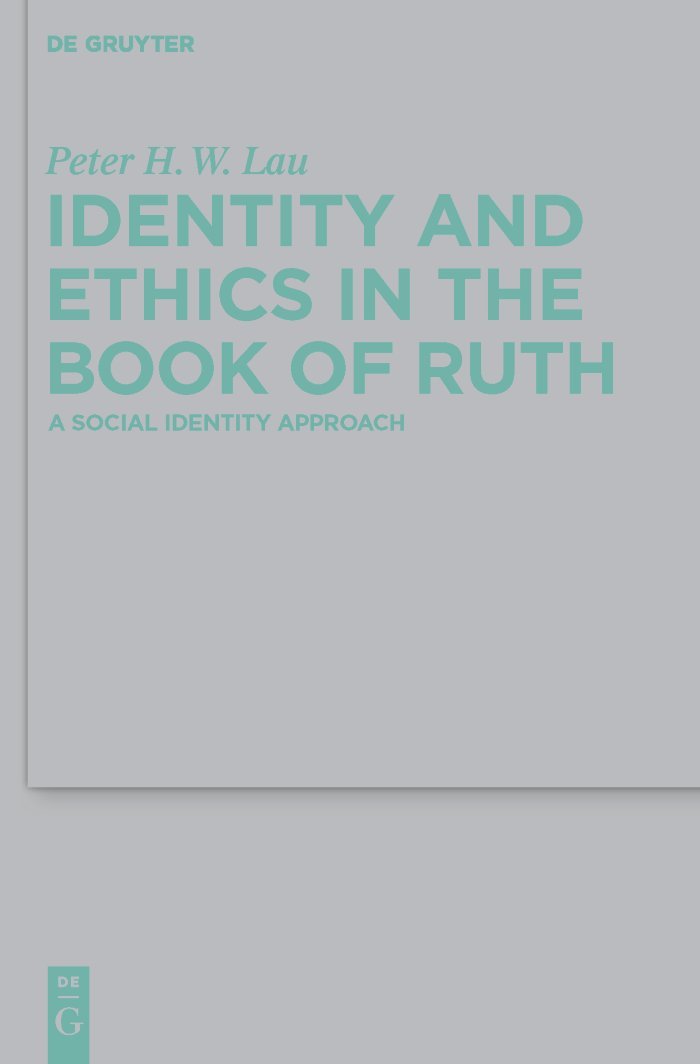
Identity and Ethics in the Book of Ruth: A Social Identity Approach (Beihefte zur Zeitschrift fr die alttestamentliche Wissensch,Used
Sold by Ergodebooks, an authorized reseller.
Returns accepted within 30 days | support@ergodebooks.com
Shipping Information
- Free Standard Shipping — United States only
- Processing Time: 3–5 business days
- Estimated Delivery: 6–10 business days after dispatch
- Double-boxed, fully insured & discreetly packaged
- Tracking number sent via email once dispatched
Returns & Refund
Returns accepted within 30 days of delivery.
Damaged or Defective Item
Free return shipping + replacement or full refund
Wrong Item Received
Free return shipping + replacement or full refund
Change of Mind
Return shipping at customer's expense · 25% restocking fee applies
Payment Option

This study demonstrates the importance of including narrative ethics in a construction of Old Testament ethics, as a correction for the current state of marginalisation of narrative in this discipline. To this end, the concept of identity is used as a lens through which to understand and derive ethics. Since selfconception in ancient Israel is generally held to be predominantly collectivist in orientation, social identity theory is used to understand ancient Israelite identity. Although collectivist sensitivities are important, a social identity approach also incorporates an understanding of individuality. This approach highlights the social emphases of a biblical text, and consequently assists in understanding a texts original ethical message. The book of Ruth is used as a test case, employing a social identity approach for understanding the narrative, but also to model the approach so that it can be implemented more widely in study of the Old Testament and narrative ethics. Each of the protagonists in the book of Ruth is examined in regards to their personal and social selfcomponents. This study reveals that the narrative functions to shape or reinforce the identity of an ancient Israelite implied reader. Since behavioural norms are an aspect of identity, narrative also influences behaviour.A social identity approach can also highlight the social processes within a society. The social processes taking place in the two most commonly proposed provenances for the book of Ruth are discussed: the Monarchic and Persian Periods. It is found that the social emphases of the book of Ruth most closely correspond to the social undercurrents of the Persian Period. On this basis, a composition for the book of Ruth in the Restoration period is proposed.
⚠️ WARNING (California Proposition 65):
This product may contain chemicals known to the State of California to cause cancer, birth defects, or other reproductive harm.
For more information, please visit www.P65Warnings.ca.gov.