
Title
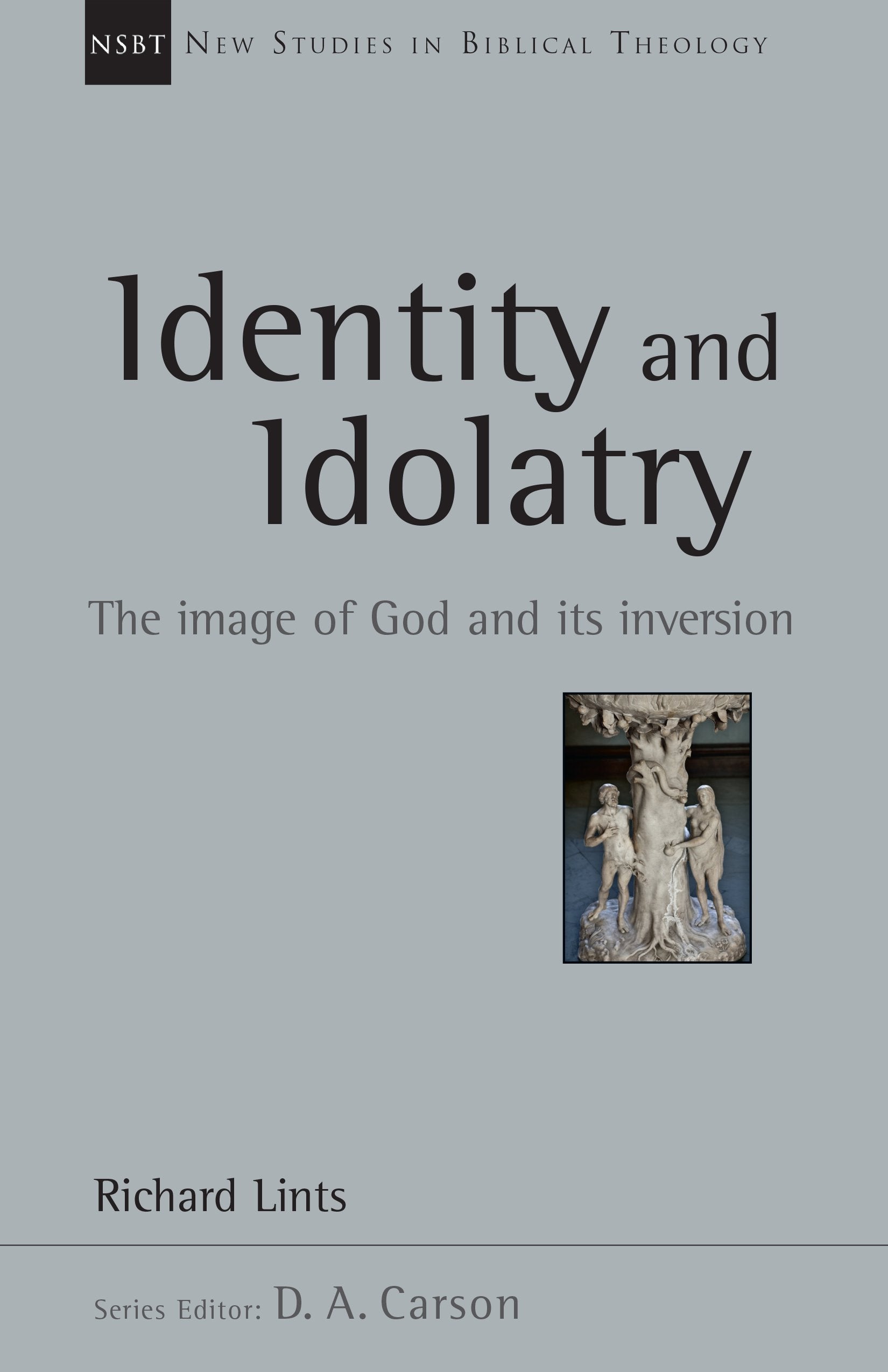
Identity and Idolatry: The Image of God and Its Inversion (Volume 36) (New Studies in Biblical Theology),Used
Sold by Ergodebooks, an authorized reseller.
Returns accepted within 30 days | support@ergodebooks.com
Shipping Information
- Free Standard Shipping — United States only
- Processing Time: 3–5 business days
- Estimated Delivery: 6–10 business days after dispatch
- Double-boxed, fully insured & discreetly packaged
- Tracking number sent via email once dispatched
Returns & Refund
Returns accepted within 30 days of delivery.
Damaged or Defective Item
Free return shipping + replacement or full refund
Wrong Item Received
Free return shipping + replacement or full refund
Change of Mind
Return shipping at customer's expense · 25% restocking fee applies
Payment Option

One of Desiring God's Top 15 Books'So God created man in his own image, in the image of God he created him; male and female he created them.' (Genesis 1:27)Genesis 1:2627 has served as the locus of most theological anthropologies in the central Christian tradition. However, Richard Lints observes that too rarely have these verses been understood as conceptually interwoven with the whole of the prologue materials of Genesis 1. The construction of the cosmic temple strongly hints that the 'image of God' language serves liturgical functions.Lints argues that 'idol' language in the Bible is a conceptual inversion of the 'image' language of Genesis 1. These constructs illuminate each other, and clarify the canon's central anthropological concerns. The question of human identity is distinct, though not separate, from the question of human nature; the latter has far too frequently been read into the biblical use of image.Lints shows how the 'narrative' of human identity runs from creation (imago Dei) to fall (the golden calf/idol, Exodus 32) to redemption (Christ as perfect image, Colossians 1:1520). The biblicaltheological use of image/idol is a thread through the canon that highlights the movements of redemptive history.In the concluding chapters of this New Studies in Biblical Theology volume, Lints interprets the use of idolatry as it emerges in the secular prophets of the nineteenth century, and examines the recent renaissance of interest in idolatry with its conceptual power to explain the 'culture of desire.'Addressing key issues in biblical theology, the works comprising New Studies in Biblical Theology are creative attempts to help Christians better understand their Bibles. The NSBT series is edited by D. A. Carson, aiming to simultaneously instruct and to edify, to interact with current scholarship and to point the way ahead.
⚠️ WARNING (California Proposition 65):
This product may contain chemicals known to the State of California to cause cancer, birth defects, or other reproductive harm.
For more information, please visit www.P65Warnings.ca.gov.