
Title
Ideographia: The Chinese Cipher In Early Modern Europe,Used
Sold by Ergodebooks, an authorized reseller.
Returns accepted within 30 days | support@ergodebooks.com
Shipping Information
- Free Standard Shipping — United States only
- Processing Time: 3–5 business days
- Estimated Delivery: 6–10 business days after dispatch
- Double-boxed, fully insured & discreetly packaged
- Tracking number sent via email once dispatched
Returns & Refund
Returns accepted within 30 days of delivery.
Damaged or Defective Item
Free return shipping + replacement or full refund
Wrong Item Received
Free return shipping + replacement or full refund
Change of Mind
Return shipping at customer's expense · 25% restocking fee applies
Payment Option

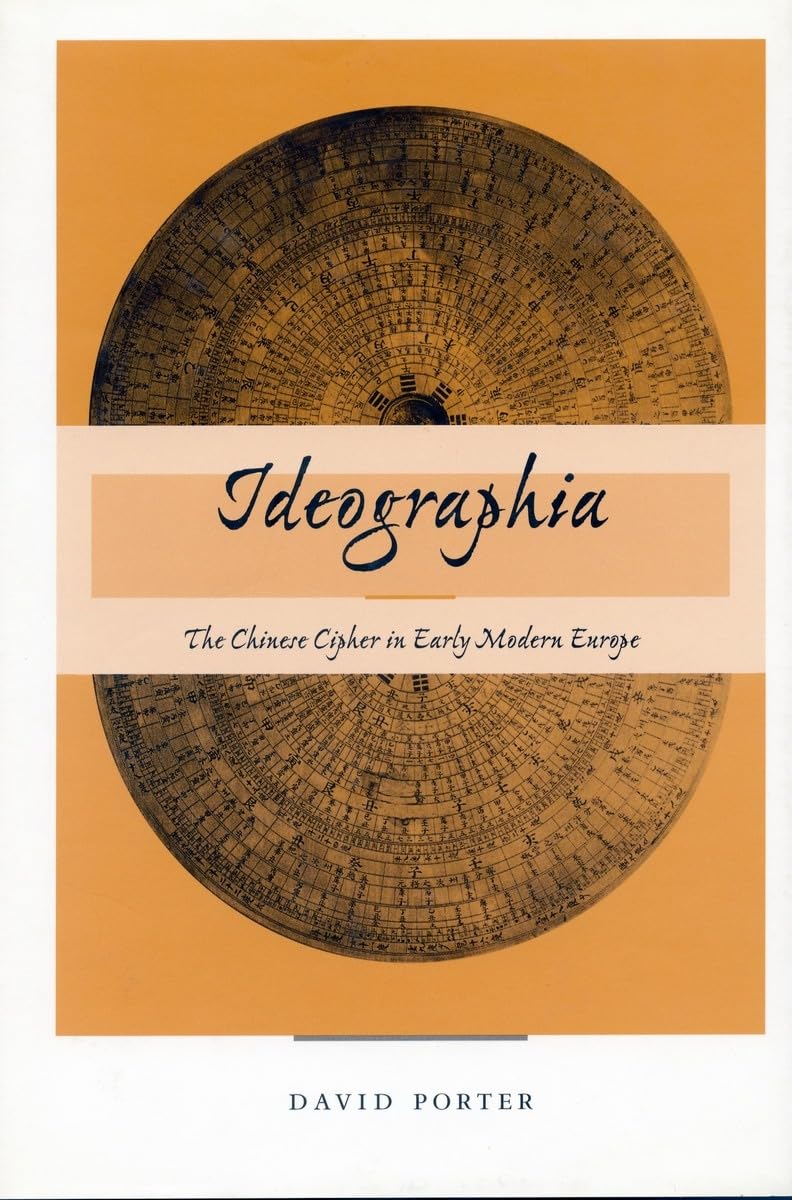
From the first successful Jesuit mission in 1583 until the disastrous failure of the British trade embassy in 1816, Chinas cultural practices transfixed the attention of Western philosophers, theologians, architects, artists, entrepreneurs, and social critics. The direct influences on European culture were many and profound, ranging from Chinese teahouses in European palace gardens to adaptations of Chinese plays for the popular stage, from calls for the restructuring of the civil service on the model of Chinese meritocracy to the espousal of Confucian precepts in the moral education of children.More significant than even such readily visible gestures of imitation and appropriation, however, were the interpretive strategies that accompanied them: the processes by which Europeans translated the unfamiliar and often enigmatic artifacts of Chinese culture into familiar forms of meaning, thus engaging them in the emergent discourses of European modernity.This book traces recurrent patterns in the European imaginative constructions of China through four illuminating spheres of encounter: linguistic, theological, aesthetic, and economic. How might we compare the perplexity of Europeans before the Chinese writing system with their experience of Chinese religious practice, trade policy, or porcelain design? The author shows how the remarkably consistent interpretive paradigms revealed through such comparisons suggest not only how historical circumstances condition and constrain responses to the foreign but also how an active engagement with the cipher of foreignness shapes the way a society comes to understand itself.
⚠️ WARNING (California Proposition 65):
This product may contain chemicals known to the State of California to cause cancer, birth defects, or other reproductive harm.
For more information, please visit www.P65Warnings.ca.gov.