
Title
I'm No Angel: The Blonde in Fiction and Film (Cultural Frames, Framing Culture),New
Sold by Ergodebooks, an authorized reseller.
Returns accepted within 30 days | support@ergodebooks.com
Shipping Information
- Free Standard Shipping — United States only
- Processing Time: 3–5 business days
- Estimated Delivery: 6–10 business days after dispatch
- Double-boxed, fully insured & discreetly packaged
- Tracking number sent via email once dispatched
Returns & Refund
Returns accepted within 30 days of delivery.
Damaged or Defective Item
Free return shipping + replacement or full refund
Wrong Item Received
Free return shipping + replacement or full refund
Change of Mind
Return shipping at customer's expense · 25% restocking fee applies
Payment Option

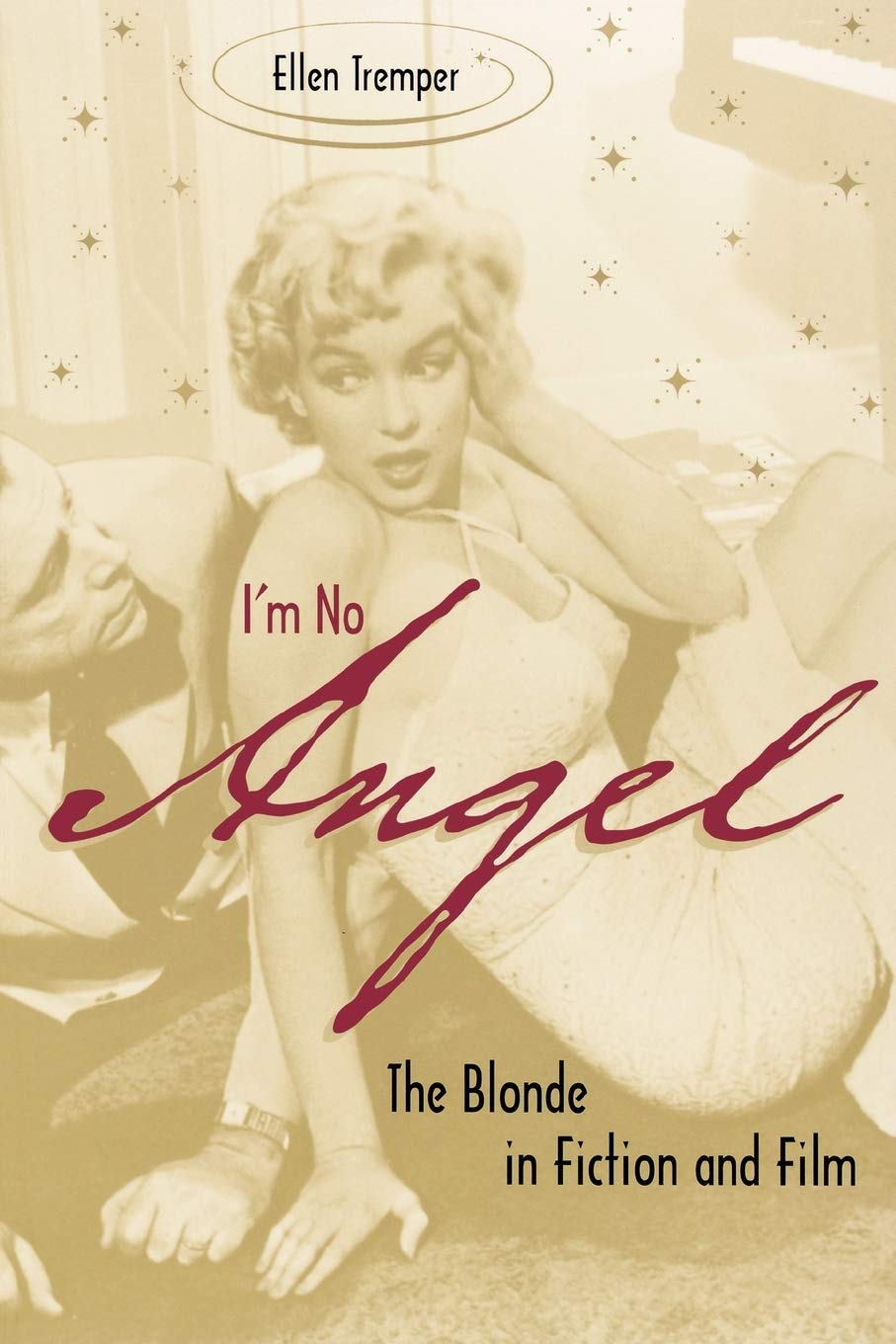
Have you ever wondered why there are so many 'dumb blonde' jokesalways about women? Or how Ivanhoe's childhood love, the'flaxen Saxon' Rowena, morphed into Marilyn Monroe? Between that season in 1847 when readers encountered Becky Sharp playing the vengeful Clytemnestraabout to plunge a dagger into Agamemnonand the sunny moment in 1932 when moviegoers watched Clark Gable plunge Jean Harlow's platinumtressed head into a rain barrel, the playing field for women and men had leveled considerably. But how did the fairytale blonde, that placid, pliant girl, become the 'tomato upstair,' as Monroe styled herself in The Seven Year Itch?In I'm No Angel: The Blonde in Fiction and Film, Ellen Tremper shows how, at its roots, the image of the blonde was remodeled by women writers in the nineteenth century and actors in the twentieth to keep pace with the changes in real women's lives. As she demonstrates, through these novels and performances, fair hair and its traditional attributespatience, pliancy, endurance, and innocencesuffered a deliberate alienation, which both reflected and enhanced women's personal and social freedoms essential to the evolution of modernity. From fiction to film, the active, desiring, and sometimes difficult women who disobeyed, manipulated, and thwarted their fellow characters mimicked and furthered women's growing power in the world. The author concludes with an overview of the various roles of the blonde in film from the 1960s to the present and speculates about the possible end of blond dominance.An engaging and lively read, I'm No Angel will appeal to a general audience interested in literary and cinematic representations of the blonde, as well as to scholars in Victorian, women's, and film studies.
⚠️ WARNING (California Proposition 65):
This product may contain chemicals known to the State of California to cause cancer, birth defects, or other reproductive harm.
For more information, please visit www.P65Warnings.ca.gov.