
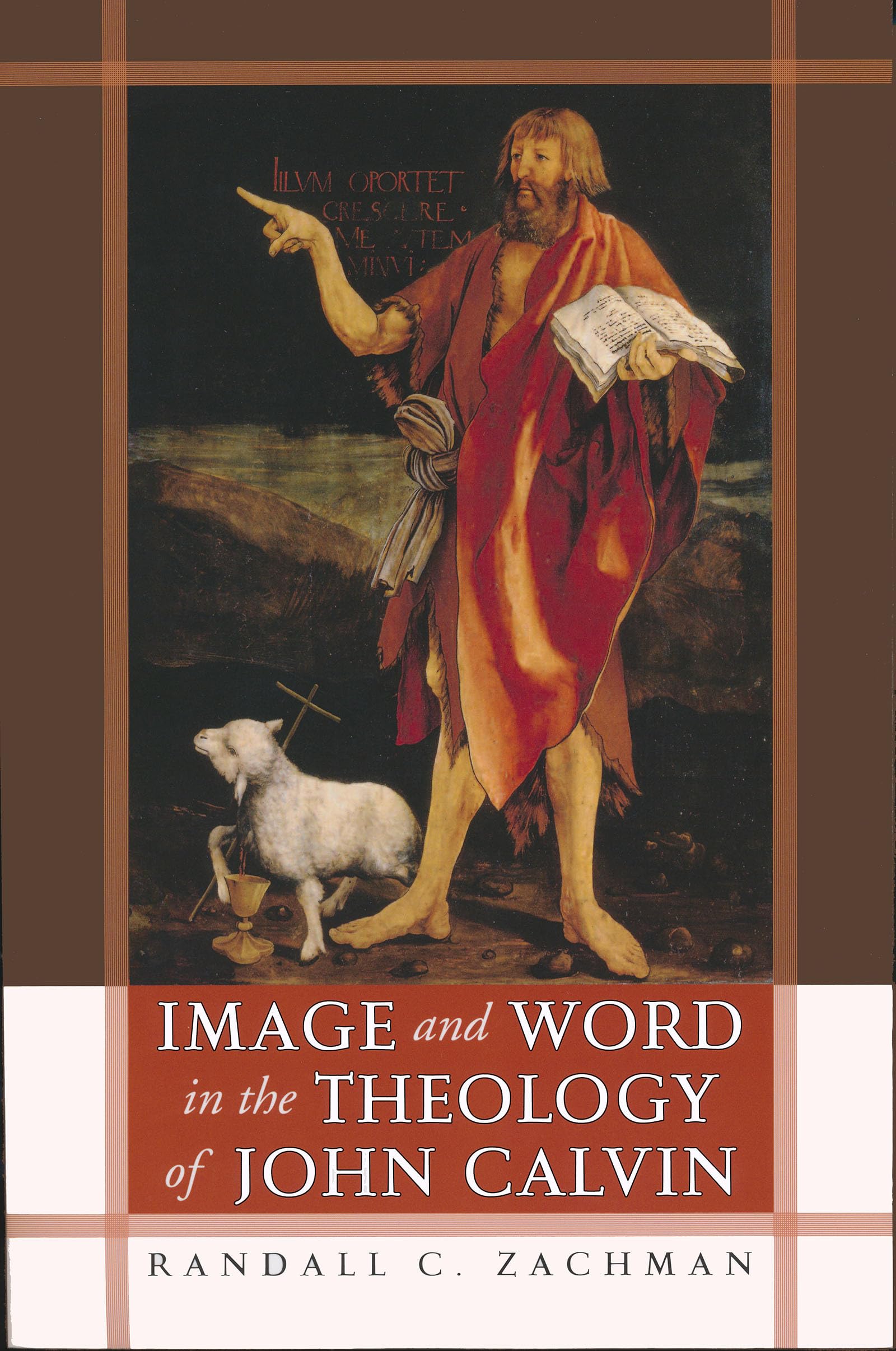
Title
Image and Word in the Theology of John Calvin,Used
Sold by Ergodebooks, an authorized reseller.
Returns accepted within 30 days | support@ergodebooks.com
Shipping Information
- Free Standard Shipping — United States only
- Processing Time: 3–5 business days
- Estimated Delivery: 6–10 business days after dispatch
- Double-boxed, fully insured & discreetly packaged
- Tracking number sent via email once dispatched
Returns & Refund
Returns accepted within 30 days of delivery.
Damaged or Defective Item
Free return shipping + replacement or full refund
Wrong Item Received
Free return shipping + replacement or full refund
Change of Mind
Return shipping at customer's expense · 25% restocking fee applies
Payment Option

In his groundbreaking new study of the Swiss reformer, Randall C. Zachman reveals and analyzes John Calvins understanding of image and word both comprehensively and chronologically, with attention to the way that each theme develops in Calvins theology.Most scholars allege that John Calvin (15091564) insisted on the essential invisibility of God in order to deny that God could be represented in any kind of visible image. This claim formed one of his foundational arguments against the display of manmade images in worship. Given the transcendence of God, Calvin rejected the human attempt to create signs and symbols of Gods presence on earth, especially the statues, images, and paintings present in Roman Catholic churches.Zachman argues, in contrast, that although Calvin rejects the use of what he calls dead images in worship, he does so to focus our attention on the living images of God in which the invisible God becomes somewhat visible. Calvin insists that these images cannot rightly be contemplated without the Word of God to clarify their meaning; we are only led to the true knowledge of God when we hold together the living images of God that we see with the Word of God that we hear. This combination of seeing and hearing pervades Calvins theology, from his understanding of the selfrevelation of God the Creator to his development of the selfmanifestation of God the Redeemer in Jesus Christ. According to Zachman, Calvin maintains the same linking of seeing and hearing in our relationships with other human beings: we must always hold together what we see in others gestures and actions with what we hear in their words, so that the hidden thoughts of their hearts might be manifested to us.Zachmans nuanced argument that Calvin holds image and word, manifestation and proclamation, in an inseparable relationship is relevant to all the major themes of Calvins theology. It constitutes a highly significant and surprising contribution to our knowledge of the Reformation and an invitation to further study of theological aesthetics.
⚠️ WARNING (California Proposition 65):
This product may contain chemicals known to the State of California to cause cancer, birth defects, or other reproductive harm.
For more information, please visit www.P65Warnings.ca.gov.